

When navigating the complex landscape of novel therapeutic peptides in 2025, understanding precise dosing protocols has never been more critical. Retatrutide—a groundbreaking triple-agonist peptide targeting GIP, GLP-1, and glucagon receptors—represents one of the most promising compounds in metabolic research, yet its efficacy hinges entirely on proper administration. This Retatrutide Dosage Guide: Starting Dose, Titration & Protocols provides researchers and clinical professionals with comprehensive, evidence-based guidance for implementing retatrutide protocols safely and effectively.
The difference between therapeutic success and adverse outcomes often lies in the details of dose escalation, timing, and individual response monitoring. With clinical trials demonstrating unprecedented weight reduction outcomes—up to 24.2% body weight loss after 48 weeks—the stakes for proper protocol adherence have never been higher[1]. Whether initiating research with this compound or optimizing existing protocols, this guide delivers the essential framework for maximizing research outcomes while minimizing complications.
Key Takeaways
- ✅ Standard starting doses range from 1-2.5 mg weekly via subcutaneous injection, with protocol selection based on individual tolerance factors
- 📈 Systematic titration follows a 4-week escalation schedule: 1 mg → 2 mg → 4 mg → 8 mg → 12 mg maximum dose
- ⚖️ Maintenance dosing typically ranges from 4-12 mg weekly, adjusted according to therapeutic response and tolerability
- ⏱️ Dose escalation delays of 4 weeks are recommended when gastrointestinal symptoms occur, particularly during intermediate phases
�
� Optimal therapeutic range for maximum weight loss efficacy appears to be 8-12 mg weekly based on Phase II clinical data
Understanding Retatrutide: Mechanism and Clinical Context
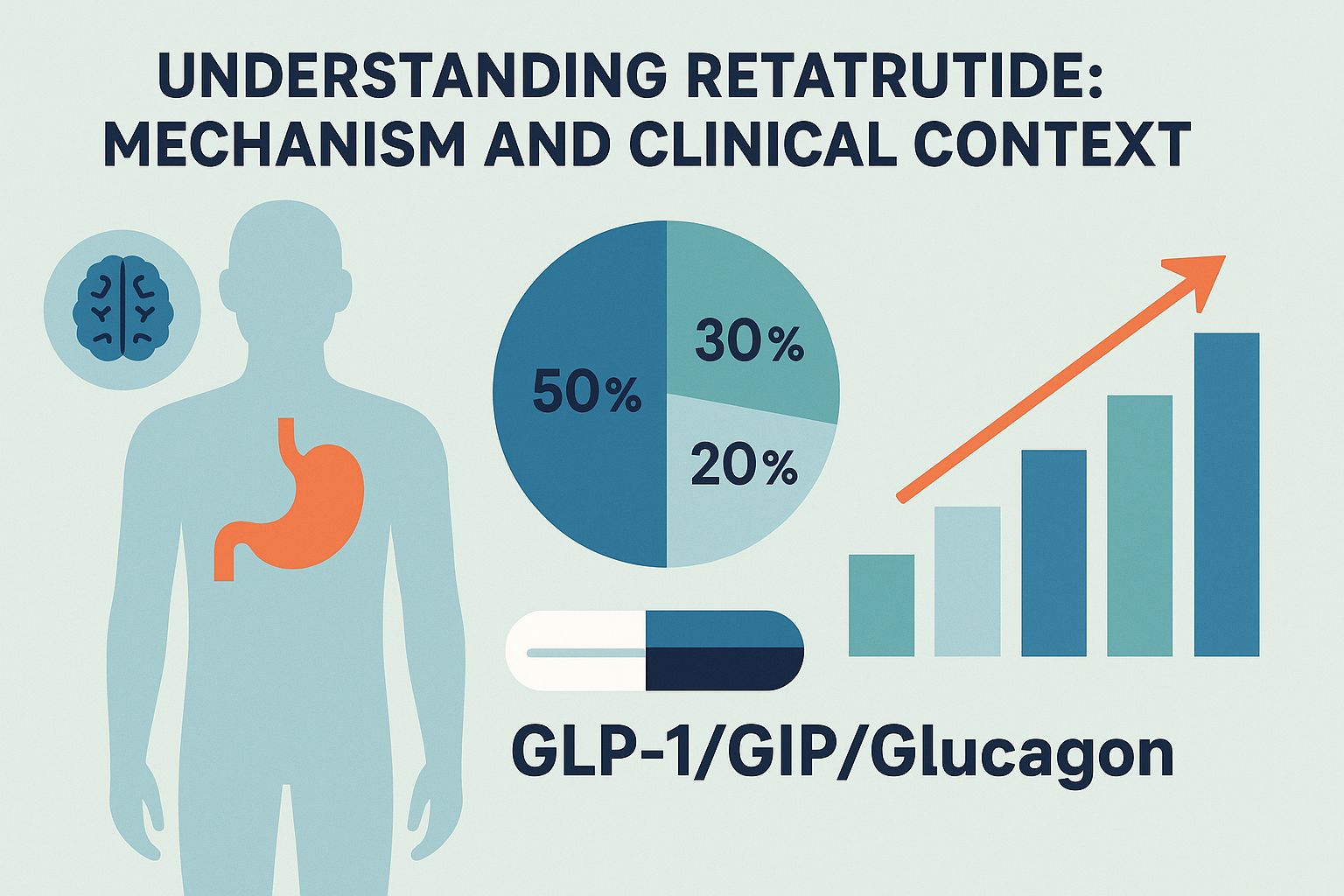
Retatrutide represents a significant advancement in peptide therapeutics, functioning as a triple receptor agonist that simultaneously activates glucose-dependent insulinotropic polypeptide (GIP), glucagon-like peptide-1 (GLP-1), and glucagon receptors. This multi-targeted mechanism distinguishes it from single or dual-agonist compounds, creating synergistic metabolic effects that extend beyond traditional weight management approaches.
How Retatrutide Works
The compound’s triple-agonist activity creates complementary physiological responses:
- GIP receptor activation: Enhances insulin secretion, improves lipid metabolism, and may contribute to central appetite regulation
- GLP-1 receptor activation: Delays gastric emptying, increases satiety, improves glycemic control, and reduces food intake
- Glucagon receptor activation: Increases energy expenditure, promotes fat oxidation, and prevents metabolic adaptation during weight loss
This sophisticated mechanism explains why retatrutide demonstrates superior weight reduction compared to single-agonist therapies, though it also necessitates careful dose management to balance efficacy with tolerability.
Clinical Trial Evidence
Phase II clinical trials have established retatrutide’s remarkable efficacy profile. In landmark studies, participants achieved:
- 17.5% body weight reduction after 24 weeks of treatment[1]
- 24.2% body weight reduction after 48 weeks of continuous therapy[1]
- Significant improvements in cardiometabolic markers including HbA1c, lipid profiles, and blood pressure
These outcomes position retatrutide among the most effective weight management compounds currently under investigation, making proper dosing protocols essential for replicating these results in research settings.
For researchers interested in obtaining high-purity retatrutide for research applications, understanding these foundational mechanisms provides critical context for protocol design and outcome interpretation.
Retatrutide Dosage Guide: Starting Dose Recommendations
The initial dose selection represents a critical decision point that influences both tolerability and long-term protocol adherence. Current evidence supports starting doses between 1-2.5 mg administered once weekly via subcutaneous injection, though the optimal starting point varies based on individual factors[1][6].
Standard Starting Protocols
Conservative Protocol (1 mg Start)
The most widely adopted approach begins with 1 mg weekly for the first 4 weeks. This conservative initiation offers several advantages:
- ✅ Minimizes gastrointestinal side effects during the adaptation period
- ✅ Allows comprehensive assessment of individual tolerance before escalation
- ✅ Provides baseline efficacy data for comparison with higher doses
- ✅ Reduces risk of treatment discontinuation due to adverse events
This protocol aligns with the “start low, go slow” principle that has proven successful with other incretin-based therapies.
Moderate Protocol (2 mg Start)
Some clinical pathways initiate therapy at 2 mg weekly, particularly for individuals with:
- Previous tolerance to GLP-1 receptor agonists
- Higher baseline body mass index
- No significant gastrointestinal sensitivity history
- Urgent therapeutic timelines requiring faster escalation
Aggressive Protocol (2.5 mg Start)
A 2.5 mg weekly starting dose represents the upper limit of initial dosing and should be reserved for specific circumstances:
- Research subjects with demonstrated tolerance to similar compounds
- Protocols requiring accelerated dose escalation
- Populations with lower sensitivity to incretin-based therapies
⚠️ Important: Higher starting doses correlate with increased gastrointestinal side effects, potentially compromising protocol adherence and research outcomes.
Administration Guidelines
Regardless of starting dose, retatrutide should be administered via subcutaneous injection using proper technique:
- Injection sites: Abdomen (preferred), thigh, or upper arm
- Rotation schedule: Vary injection sites weekly to prevent lipodystrophy
- Timing consistency: Administer on the same day each week, regardless of meal timing
- Preparation: Allow refrigerated solution to reach room temperature before injection
Researchers can find detailed reconstitution and storage protocols through specialized peptide suppliers who provide comprehensive handling guidance.
Factors Influencing Starting Dose Selection
| Factor | 1 mg Start | 2-2.5 mg Start |
|---|---|---|
| GI Sensitivity | High | Low |
| Prior GLP-1 Experience | None | Extensive |
| Baseline BMI | <35 | >40 |
| Age | >65 years | 18-65 years |
| Comorbidities | Multiple | Few/None |
| Research Timeline | Extended | Compressed |
Retatrutide Dosage Guide: Titration & Protocols for Dose Escalation
Systematic dose escalation represents the cornerstone of successful retatrutide protocols. The standard 4-week titration schedule has been validated through extensive clinical trials and provides the optimal balance between therapeutic progression and tolerability management[1].
Standard Titration Schedule
The evidence-based escalation protocol follows this structured progression:
Weeks 1-4: 1 mg Weekly
- Initial adaptation phase
- Establish baseline tolerance
- Monitor for early adverse events
- Assess preliminary metabolic response
Weeks 5-8: 2 mg Weekly
- First dose escalation
- Enhanced therapeutic effects become apparent
- Critical monitoring period for GI symptoms
- Weight loss acceleration typically begins
Weeks 9-12: 4 mg Weekly
- Intermediate therapeutic range
- Significant metabolic improvements observed
- Peak GI symptom period for many individuals
- Consider escalation delay if tolerability issues emerge
Weeks 13-16: 8 mg Weekly
- Upper therapeutic range initiation
- Maximum efficacy approaching
- Stabilization of side effect profile
- Continued weight loss progression
Weeks 17-21: 12 mg Weekly
- Maximum recommended dose
- Optimal therapeutic response for most individuals
- Maintenance phase typically begins
- Long-term protocol sustainability assessment
The Critical Intermediate Phase (Weeks 5-12)
Research indicates that gastrointestinal symptoms peak during the intermediate dosing phase, particularly when escalating from 2 mg to 8 mg[4]. This period requires enhanced monitoring and flexible protocol management:
Common symptoms during intermediate escalation:
- Nausea (most frequent)
- Reduced appetite (therapeutic effect)
- Occasional vomiting
- Mild to moderate diarrhea
- Abdominal discomfort
“Gradual titration is critical to minimize GI intolerance. The intermediate dosing phase represents the highest risk period for protocol discontinuation due to adverse events.”[4]
Delayed Escalation Protocols
When side effects occur, dose escalation can and should be delayed rather than discontinued entirely[1]. The recommended approach includes:
- Maintain current dose for an additional 4 weeks
- Reassess tolerance at the end of the delay period
- Proceed with escalation if symptoms have resolved or stabilized
- Consider smaller incremental increases (e.g., 2 mg → 3 mg → 4 mg) for sensitive individuals
This flexibility significantly improves protocol completion rates while maintaining therapeutic efficacy.
Comparison with Other Incretin-Based Protocols
Understanding retatrutide titration in context with similar compounds provides valuable perspective:
| Compound | Starting Dose | Maximum Dose | Escalation Interval | Total Titration Time |
|---|---|---|---|---|
| Retatrutide | 1-2.5 mg | 12 mg | 4 weeks | 16-20 weeks |
| Semaglutide | 0.25 mg | 2.4 mg | 4 weeks | 16-20 weeks |
| Tirzepatide | 2.5 mg | 15 mg | 4 weeks | 20 weeks |
| Liraglutide | 0.6 mg | 3.0 mg | 1 week | 4-5 weeks |
While retatrutide employs significantly higher absolute dosing than semaglutide (up to 12 mg versus 2.4 mg), both follow the fundamental principle of gradual, systematic escalation[4]. This similarity reflects the shared incretin-based mechanism and associated GI tolerability considerations.
Monitoring Parameters During Titration
Comprehensive monitoring throughout the escalation phase should include:
Weekly assessments:
- ✓ Body weight measurements
- ✓ Adverse event documentation
- ✓ Injection site evaluation
- ✓ Adherence verification
Monthly evaluations:
- ✓ Comprehensive metabolic panel
- ✓ Lipid profile
- ✓ HbA1c (if applicable)
- ✓ Blood pressure
- ✓ Heart rate
Qualitative assessments:
- ✓ Appetite and satiety changes
- ✓ Gastrointestinal symptom severity
- ✓ Energy levels and exercise tolerance
- ✓ Overall quality of life indicators
Researchers implementing these protocols can access comprehensive support resources from specialized peptide suppliers who understand the nuances of research-grade compound administration.
Maintenance Dosing and Long-Term Protocol Management
Once the titration phase concludes, establishing an appropriate maintenance dose becomes essential for sustained therapeutic outcomes. Clinical evidence indicates that maintenance dosing typically ranges from 4 mg to 12 mg weekly, with individual optimization based on therapeutic response and tolerability[1].
Determining Optimal Maintenance Dose
The ideal maintenance dose represents the intersection of three key factors:
- Therapeutic efficacy: Continued weight loss or weight maintenance at target levels
- Tolerability profile: Minimal side effects that don’t compromise quality of life
- Metabolic improvements: Sustained benefits in glycemic control, lipid parameters, and cardiovascular markers
Maintenance Dose Ranges
4-6 mg Weekly (Lower Maintenance Range)
- Appropriate for individuals achieving target outcomes at intermediate doses
- Preferred for those with persistent GI sensitivity
- Suitable for weight maintenance after achieving target reduction
- May be optimal for older adults or those with multiple comorbidities
8 mg Weekly (Standard Maintenance Range)
- Most common maintenance dose in clinical trials
- Balances robust efficacy with acceptable tolerability
- Appropriate for most research subjects
- Provides continued weight loss progression beyond initial phases
12 mg Weekly (Maximum Maintenance Range)
- Reserved for individuals requiring maximum therapeutic effect
- Supported by clinical trial data showing superior outcomes[1]
- Requires demonstrated tolerance during titration
- Represents the absolute maximum recommended dose
⚠️ Critical Safety Note: Doses cannot exceed 12 mg weekly under any circumstances. This ceiling has been established through clinical safety data and should never be surpassed[1].
Target Therapeutic Range for Optimal Efficacy
Based on Phase II clinical trial data, the optimal therapeutic maintenance range for maximum weight loss efficacy appears to be 8-12 mg weekly[4]. This range demonstrated:
- Maximum body weight reduction percentages
- Sustained metabolic improvements
- Acceptable long-term tolerability profiles
- Lowest rates of weight regain during extended treatment
Long-Term Administration Considerations
Consistency and Timing
Maintaining once-weekly injection consistency throughout all dosing phases is paramount:
- Schedule injections for the same weekday each week
- Choose a day that aligns with weekly routines to maximize adherence
- Set reminders or use tracking systems to prevent missed doses
- Document each administration with date, time, dose, and injection site
Missed Dose Protocols
Inevitable scheduling conflicts require clear missed-dose guidance:
Single Missed Dose (within 3 days of scheduled time):
- Administer the dose as soon as remembered
- Resume normal weekly schedule from that point
- No dose adjustment required
Single Missed Dose (more than 3 days past scheduled time):
- Skip the missed dose entirely
- Resume normal dosing on the next scheduled day
- Do not double the next dose
Two or More Consecutive Missed Doses:
- Consult healthcare provider or research supervisor immediately[1]
- May require dose adjustment or restart protocols
- Assess for potential tolerance reset
- Consider reinitiating at lower dose to prevent adverse events
Monitoring During Maintenance Phase
Long-term protocol success requires ongoing assessment:
Monthly monitoring:
- Body weight and body composition
- Adverse event tracking
- Protocol adherence verification
- Injection site rotation compliance
Quarterly assessments:
- Comprehensive metabolic panel
- Lipid profile
- HbA1c (if metabolic dysfunction present)
- Cardiovascular parameters
- Hepatic and renal function
Semi-annual evaluations:
- Complete physical examination
- Protocol efficacy assessment
- Risk-benefit analysis for continued treatment
- Potential dose optimization based on cumulative data
Plateau Management and Dose Optimization
Weight loss plateaus commonly occur during extended treatment. Management strategies include:
- Verify adherence: Ensure consistent weekly administration
- Assess lifestyle factors: Evaluate dietary patterns and physical activity
- Consider dose optimization: If tolerating current dose well and below 12 mg, escalation may be appropriate
- Implement structured breaks: Some protocols incorporate brief treatment pauses to reset metabolic adaptation
- Combination approaches: Evaluate complementary interventions (strictly within research parameters)
For researchers seeking to optimize long-term protocols with high-quality research-grade peptides, working with reputable suppliers who provide consistent product quality becomes increasingly important as treatment duration extends.
Safety Considerations and Adverse Event Management
While retatrutide demonstrates remarkable efficacy, comprehensive understanding of its safety profile and adverse event management strategies is essential for responsible research implementation.
Common Adverse Events
The most frequently reported adverse events align with the compound’s mechanism of action:
Gastrointestinal Effects (Most Common)
Nausea (40-60% of subjects in clinical trials)
- Typically peaks 2-4 hours post-injection
- Most pronounced during dose escalation phases
- Usually diminishes with continued exposure
- Management: Anti-emetic medications, dietary modifications, slower titration
Reduced Appetite (Therapeutic Effect)
- Expected pharmacological response
- Should not be considered adverse unless excessive
- Monitor for adequate nutritional intake
- Ensure minimum protein and micronutrient consumption
Diarrhea (20-35% of subjects)
- Generally mild to moderate severity
- Often transient, resolving within 1-2 weeks
- Management: Hydration, electrolyte monitoring, dietary fiber adjustment
Vomiting (15-25% of subjects)
- Less common than nausea
- May indicate excessive dose or too-rapid escalation
- Persistent vomiting warrants dose reduction or delay
Constipation (10-20% of subjects)
- Paradoxical effect in some individuals
- Related to reduced food intake and altered motility
- Management: Increased hydration, dietary fiber, physical activity
Metabolic and Systemic Effects
Hypoglycemia
- Risk increased in subjects with diabetes or using concurrent glucose-lowering agents
- Typically mild and manageable with dietary adjustment
- Severe hypoglycemia rare in non-diabetic populations
Injection Site Reactions
- Mild erythema, swelling, or discomfort
- Usually self-limiting within 24-48 hours
- Prevented through proper injection technique and site rotation
Fatigue
- Reported in 15-20% of subjects
- May relate to caloric restriction rather than direct drug effect
- Usually improves after adaptation period
Serious Adverse Events and Contraindications
While rare, certain serious adverse events require immediate protocol cessation:
⚠️ Absolute Contraindications:
- Personal or family history of medullary thyroid carcinoma
- Multiple Endocrine Neoplasia syndrome type 2 (MEN 2)
- Severe gastroparesis or gastrointestinal motility disorders
- Pregnancy or planned pregnancy
- Hypersensitivity to retatrutide or formulation components
⚠️ Relative Contraindications (Require Careful Assessment):
- History of pancreatitis
- Severe renal impairment
- Hepatic dysfunction
- History of suicidal ideation or severe depression
- Diabetic retinopathy (rapid glucose reduction may worsen)
Adverse Event Grading and Response Protocols
Implementing standardized adverse event grading ensures appropriate response:
| Severity Grade | Definition | Management Action |
|---|---|---|
| Grade 1 (Mild) | Noticeable but not interfering with daily activities | Continue protocol, monitor closely |
| Grade 2 (Moderate) | Interfering with some daily activities | Consider dose delay or reduction |
| Grade 3 (Severe) | Significantly limiting self-care activities | Temporarily discontinue, medical evaluation |
| Grade 4 (Life-threatening) | Urgent intervention required | Immediately discontinue, emergency care |
Risk Mitigation Strategies
Proactive risk management significantly reduces adverse event incidence:
- Comprehensive screening: Thorough medical history and contraindication assessment before protocol initiation
- Gradual titration: Strict adherence to 4-week escalation intervals
- Individualized protocols: Adjust starting doses and escalation rates based on individual factors
- Regular monitoring: Systematic assessment of clinical and laboratory parameters
- Clear communication: Establish protocols for reporting and managing adverse events
- Supportive interventions: Anti-emetics, dietary counseling, hydration strategies
When to Modify or Discontinue Treatment
Clear decision criteria for protocol modification include:
Dose Reduction Indicated:
- Persistent Grade 2 adverse events despite supportive measures
- Excessive weight loss velocity (>2% body weight per week)
- Significant quality of life impairment
- Laboratory abnormalities suggesting intolerance
Protocol Discontinuation Indicated:
- Grade 3 or 4 adverse events
- Development of absolute contraindications
- Persistent Grade 2 events despite dose reduction
- Subject request or non-adherence
- Lack of therapeutic benefit after adequate trial
Researchers implementing these protocols should maintain detailed documentation and work with suppliers who provide comprehensive safety information and support throughout the research process.
Special Populations and Protocol Modifications
Certain populations require modified approaches to retatrutide dosing and titration, reflecting variations in pharmacokinetics, tolerability, or risk profiles.
Older Adults (≥65 Years)
Aging-related physiological changes necessitate conservative protocols:
Recommended modifications:
- Start at 1 mg weekly regardless of other factors
- Extend titration intervals to 6 weeks between escalations
- Target lower maintenance doses (4-8 mg range)
- Enhanced monitoring for dehydration and electrolyte disturbances
- More frequent assessment of renal and hepatic function
Rationale: Older adults demonstrate increased sensitivity to GI effects, higher risk of dehydration, and potential polypharmacy interactions.
Individuals with Renal Impairment
Kidney function significantly influences peptide pharmacokinetics:
Mild Impairment (eGFR 60-89 mL/min/1.73m²):
- Standard protocols generally appropriate
- Enhanced hydration monitoring
- More frequent renal function assessment
Moderate Impairment (eGFR 30-59 mL/min/1.73m²):
- Start at 1 mg weekly
- Extend titration intervals to 6 weeks
- Maximum dose typically 8 mg weekly
- Monthly renal function monitoring
Severe Impairment (eGFR <30 mL/min/1.73m²):
- Generally not recommended
- If absolutely necessary, requires specialized medical supervision
- Maximum dose 4-6 mg weekly
- Weekly to biweekly monitoring
Individuals with Hepatic Impairment
Liver dysfunction affects drug metabolism and tolerability:
Mild Hepatic Impairment (Child-Pugh A):
- Standard protocols with enhanced monitoring
- Monthly liver function tests
Moderate Hepatic Impairment (Child-Pugh B):
- Conservative 1 mg starting dose
- Extended titration (6-week intervals)
- Maximum dose 6-8 mg weekly
- Biweekly liver function monitoring
Severe Hepatic Impairment (Child-Pugh C):
- Not recommended for research protocols
- Insufficient safety data
Concurrent Medication Considerations
Retatrutide’s mechanism creates potential interactions requiring protocol adjustments:
Insulin or Insulin Secretagogues:
- Significant hypoglycemia risk
- Reduce concurrent medication doses by 20-50% before initiating retatrutide
- Frequent glucose monitoring (multiple times daily initially)
- Gradual retatrutide titration with concurrent medication adjustment
Other GLP-1 Receptor Agonists:
- Should not be used concurrently
- Washout period of 4-5 half-lives recommended before switching
Oral Medications:
- Delayed gastric emptying may affect absorption
- Consider timing adjustments or alternative formulations
- Monitor therapeutic drug levels where applicable
Previous GLP-1 Agonist Experience
Individuals with prior exposure to similar compounds may tolerate different protocols:
Naive to Incretin-Based Therapies:
- Standard conservative protocols (1 mg start)
- Standard 4-week titration intervals
- Expect typical GI adaptation period
Previous GLP-1 Agonist Users (Recently Discontinued):
- May start at 2 mg weekly
- Standard or slightly accelerated titration
- Generally better GI tolerance
- Monitor for cross-tolerance effects
Currently Using GLP-1 Agonists:
- Requires transition protocol
- Discontinue previous agent
- Brief washout period (3-7 days)
- Initiate retatrutide at 1-2 mg based on previous dose
- Monitor closely for additive effects
Practical Implementation: Research Protocol Design
Translating dosing guidelines into robust research protocols requires systematic planning and execution. This section provides practical frameworks for implementing retatrutide research studies.
Protocol Development Framework
Phase 1: Pre-Implementation Planning
Define Research Objectives:
- Primary endpoints (weight reduction, metabolic parameters, etc.)
- Secondary endpoints (quality of life, body composition, etc.)
- Timeline and duration requirements
- Sample size calculations
Establish Inclusion/Exclusion Criteria:
- Age range and baseline BMI requirements
- Medical history screening parameters
- Contraindication assessment
- Concurrent medication restrictions
Design Dosing Protocol:
- Starting dose selection rationale
- Titration schedule with decision points
- Target maintenance dose range
- Dose modification criteria
Develop Monitoring Schedule:
- Visit frequency and assessment parameters
- Laboratory testing intervals
- Adverse event reporting systems
- Data collection and documentation procedures
Phase 2: Subject Preparation and Baseline Assessment
Comprehensive Screening:
- Complete medical history and physical examination
- Baseline laboratory panel (metabolic, hepatic, renal, lipid)
- Thyroid function and relevant hormone levels
- Pregnancy testing (where applicable)
- Baseline body composition analysis
Education and Training:
- Injection technique instruction and demonstration
- Proper storage and handling procedures
- Adverse event recognition and reporting
- Dietary and lifestyle guidance
- Realistic expectation setting
Baseline Documentation:
- Body weight, BMI, and body composition
- Vital signs (blood pressure, heart rate)
- Metabolic parameters
- Quality of life assessments
- Photographic documentation (if protocol-appropriate)
Phase 3: Protocol Execution
Weekly Administration Procedures:
- Consistent injection day and approximate time
- Injection site rotation documentation
- Dose verification and double-checking
- Immediate post-injection monitoring (15-30 minutes)
- Adverse event inquiry and documentation
Monitoring Intervals:
Weeks 1-4 (1 mg dose):
- Weekly: Weight, vital signs, adverse events, adherence
- Week 4: Laboratory panel, dose escalation assessment
Weeks 5-8 (2 mg dose):
- Weekly: Weight, vital signs, adverse events, adherence
- Week 8: Laboratory panel, dose escalation assessment
Weeks 9-12 (4 mg dose):
- Weekly: Weight, vital signs, adverse events, adherence
- Enhanced GI symptom monitoring (peak risk period)
- Week 12: Comprehensive assessment, dose escalation decision
Weeks 13-16 (8 mg dose):
- Weekly: Weight, vital signs, adverse events
- Biweekly: Laboratory monitoring
- Week 16: Full assessment, final dose escalation decision
Weeks 17+ (12 mg dose / Maintenance):
- Biweekly: Weight, vital signs, adverse events
- Monthly: Laboratory monitoring
- Quarterly: Comprehensive efficacy and safety assessment
Data Management and Documentation
Rigorous data collection ensures research validity and subject safety:
Essential Documentation:
- ✓ Informed consent (research context)
- ✓ Baseline and ongoing medical assessments
- ✓ Dosing logs with date, time, dose, site, administrator
- ✓ Adverse event reports with severity grading
- ✓ Laboratory results with trend analysis
- ✓ Protocol deviations and modifications
- ✓ Withdrawal or discontinuation documentation
Data Security and Compliance:
- Secure storage systems (encrypted digital or locked physical)
- Regular data backup procedures
- Access restriction protocols
- Compliance with relevant research regulations
- Audit trail maintenance
Quality Assurance Measures
Maintaining protocol integrity requires systematic quality controls:
- Peptide Quality Verification: Work exclusively with research-grade suppliers who provide certificates of analysis and maintain proper storage conditions
- Dose Preparation Accuracy: Implement double-check systems for reconstitution and dose drawing
- Administration Technique: Regular competency assessment for injection procedures
- Monitoring Consistency: Standardized assessment tools and calibrated equipment
- Data Accuracy: Regular audits and cross-verification of documentation
Troubleshooting Common Implementation Challenges
| Challenge | Solution Strategy |
|---|---|
| Inconsistent administration timing | Automated reminder systems, scheduled appointments |
| Poor injection technique | Hands-on retraining, visual aids, demonstration videos |
| Missed doses | Flexible scheduling, make-up visit protocols, adherence counseling |
| Unexpected adverse events | Rapid response protocols, medical consultation pathways |
| Plateau in outcomes | Protocol review, adherence assessment, dose optimization evaluation |
| Subject dropout risk | Regular communication, expectation management, support resources |
Storage, Handling, and Reconstitution Best Practices
Proper peptide handling directly impacts research outcomes and compound stability. Retatrutide, like all research-grade peptides, requires meticulous attention to storage and preparation procedures.
Storage Requirements
Lyophilized (Powder) Form
Before Reconstitution:
- Store at 2-8°C (refrigerated) for optimal stability
- Protect from light using original packaging or amber containers
- Avoid freezing, which may damage peptide structure
- Maximum storage duration: Follow manufacturer specifications (typically 12-24 months)
- Allow to reach room temperature before reconstitution (15-20 minutes)
Environmental Considerations:
- Minimize temperature fluctuations
- Store away from freezer compartments in refrigerator
- Use dedicated research refrigerator when possible
- Monitor and log storage temperatures regularly
Reconstituted Solution
After Reconstitution:
- Store at 2-8°C (refrigerated) immediately after preparation
- Use within 28 days of reconstitution for optimal stability
- Protect from light using amber pen peptides or foil wrapping
- Never freeze reconstituted solutions
- Label clearly with reconstitution date and concentration
Reconstitution Procedures
Proper reconstitution technique ensures accurate dosing and peptide integrity:
Required Materials
- Lyophilized retatrutide pen peptide
- Bacteriostatic water (0.9% benzyl alcohol)
- Sterile syringes (appropriate volume)
- Alcohol swabs
- Sterile pen peptide adapter or needles
Step-by-Step Reconstitution Protocol
- Preparation
- Wash hands thoroughly and don gloves
- Clean workspace with appropriate disinfectant
- Gather all materials
- Allow peptide pen peptide to reach room temperature
- Calculate Required Volume
- Determine desired final concentration
- Example: 10 mg retatrutide + 2 mL bacteriostatic water = 5 mg/mL concentration
- Verify calculations before proceeding
- Reconstitution Technique
- Clean both pen peptide stoppers with alcohol swabs
- Draw calculated volume of bacteriostatic water into syringe
- Insert needle into peptide pen peptide at angle
- Slowly inject water down the side of the pen peptide (never directly onto powder)
- Allow liquid to gently dissolve powder without agitation
- Do not shake—gently swirl if needed after 1-2 minutes
- Inspect for complete dissolution (clear solution, no particles)
- Final Steps
- Label pen peptide with reconstitution date, concentration, and compound name
- Store immediately in refrigerator
- Document reconstitution in research logs
Dose Preparation and Administration
Drawing Accurate Doses
Calculation Example:
- Target dose: 2 mg retatrutide
- Concentration: 5 mg/mL
- Required volume: 2 mg ÷ 5 mg/mL = 0.4 mL
Procedure:
- Remove pen peptide from refrigerator
- Clean stopper with alcohol swab
- Draw slightly more than needed volume
- Remove air bubbles by tapping syringe
- Adjust to exact required volume
- Verify dose with second person (when possible)
Injection Technique
Site Selection and Rotation:
- Abdomen: 2 inches from navel, avoid midline (preferred site)
- Thigh: Front and outer portions, middle third
- Upper arm: Outer portion (requires assistance)
Rotation Schedule:
- Divide each area into quadrants
- Rotate through all quadrants systematically
- Maintain minimum 1-inch spacing between injection sites
- Document each site used
Injection Procedure:
- Clean injection site with alcohol swab (allow to dry)
- Pinch skin to create fold (for subcutaneous administration)
- Insert needle at 45-90° angle (depending on needle length and body composition)
- Inject slowly over 5-10 seconds
- Withdraw needle and apply gentle pressure (do not rub)
- Dispose of needle in sharps container immediately
- Document administration
Common Handling Errors to Avoid
❌ Shaking reconstituted peptides (damages peptide structure)
❌ Freezing reconstituted solutions (causes precipitation and degradation)
❌ Using expired bacteriostatic water (contamination risk)
❌ Reusing needles or syringes (contamination and accuracy issues)
❌ Storing at room temperature (accelerated degradation)
❌ Exposing to direct light (photodegradation)
❌ Injecting cold solution (increased injection site discomfort)
Quality Verification
Before each administration, verify:
- ✓ Solution clarity (should be clear, not cloudy)
- ✓ Absence of particles or precipitation
- ✓ Proper storage temperature maintained
- ✓ Within expiration window (both original and post-reconstitution)
- ✓ Correct concentration and dose calculation
- ✓ Proper labeling and documentation
Researchers can access detailed reconstitution guidance and storage protocols from specialized peptide suppliers who understand the critical importance of proper handling procedures.
Comparative Analysis: Retatrutide vs. Other Weight Management Peptides
Understanding retatrutide’s position within the broader landscape of metabolic peptides provides valuable context for protocol selection and outcome interpretation.
Mechanism Comparison
| Compound | Receptor Targets | Mechanism Classification |
|---|---|---|
| Retatrutide | GIP + GLP-1 + Glucagon | Triple agonist |
| Tirzepatide | GIP + GLP-1 | Dual agonist |
| Semaglutide | GLP-1 | Single agonist |
| Liraglutide | GLP-1 | Single agonist |
| Cagrilintide | Amylin | Single agonist |
The progression from single to triple agonism represents the evolution of metabolic peptide therapeutics, with each additional receptor target potentially enhancing efficacy while introducing complexity to dosing and tolerability management.
Efficacy Comparison
Weight Loss Outcomes (Clinical Trial Data):
Retatrutide:
- 24 weeks: 17.5% body weight reduction[1]
- 48 weeks: 24.2% body weight reduction[1]
Tirzepatide:
- 72 weeks: 15-22% body weight reduction (dose-dependent)
Semaglutide:
- 68 weeks: 15-17% body weight reduction
Liraglutide:
- 56 weeks: 8-10% body weight reduction
Retatrutide demonstrates superior weight reduction compared to currently available therapies, particularly at extended timepoints, though direct head-to-head comparison trials remain limited in 2025.
Dosing Protocol Comparison
Titration Complexity:
Retatrutide: Moderate complexity
- 5 dose escalations over 16-20 weeks
- Wider dose range (1-12 mg)
- Higher absolute maximum dose
Tirzepatide: Moderate complexity
- 4-5 dose escalations over 20 weeks
- Moderate dose range (2.5-15 mg)
Semaglutide: Moderate complexity
- 4 dose escalations over 16-20 weeks
- Narrow dose range (0.25-2.4 mg)
Liraglutide: Lower complexity
- Daily dosing with gradual weekly increases
- Shorter titration period (4-5 weeks)
Tolerability Profile Comparison
Gastrointestinal Side Effects:
All incretin-based therapies share similar GI adverse event profiles, with frequency and severity correlating to:
- Dose escalation rate
- Maximum dose achieved
- Individual sensitivity factors
Retatrutide-Specific Considerations:
- Triple-agonist mechanism may produce unique tolerability patterns
- Limited long-term safety data compared to established therapies
- Potentially higher efficacy may justify tolerability trade-offs in research contexts
Cost and Accessibility Considerations (Research Context)
For research applications, compound selection factors include:
Retatrutide:
- Newer compound with limited commercial availability
- Research-grade sources essential
- Higher cost per dose compared to established peptides
- Potential for groundbreaking research outcomes
Established Peptides (Semaglutide, Tirzepatide):
- Wider commercial availability
- More extensive safety and efficacy databases
- Potentially lower research costs
- Well-established protocols and benchmarks
Researchers can explore comprehensive peptide options through specialized suppliers who maintain diverse inventories of both novel and established compounds.
Selection Criteria for Research Protocols
| Research Goal | Recommended Primary Compound | Rationale |
|---|---|---|
| Maximum weight loss efficacy | Retatrutide | Superior outcomes in clinical trials |
| Established safety profile | Semaglutide | Extensive clinical experience |
| Dual-agonist mechanism study | Tirzepatide | Well-characterized GIP+GLP-1 activity |
| Rapid titration requirement | Liraglutide | Shorter escalation period |
| Novel mechanism investigation | Retatrutide | Unique triple-agonist properties |
| Cost-sensitive protocols | Established peptides | Lower per-dose research costs |
Future Directions and Emerging Research
The field of metabolic peptide therapeutics continues rapid evolution, with retatrutide representing just one advancement in an expanding landscape of possibilities.
Ongoing Clinical Development
As of 2025, retatrutide remains in Phase III clinical development, with several large-scale trials investigating:
- Long-term efficacy and safety (up to 104 weeks)
- Cardiovascular outcomes in high-risk populations
- Metabolic dysfunction-associated steatotic liver disease (MASLD)
- Type 2 diabetes management
- Obesity-related comorbidity reduction
Results from these trials will further refine dosing recommendations and expand understanding of optimal protocols for various populations and indications.
Combination Therapy Investigations
Emerging research explores retatrutide in combination with:
Amylin Agonists (e.g., Cagrilintide):
- Potential synergistic effects on satiety and weight loss
- Complementary mechanisms of action
- Requires careful dose optimization to manage tolerability
SGLT2 Inhibitors:
- Complementary glucose and weight management
- Potential cardiovascular and renal benefits
- Well-tolerated combination profile
Metabolic Modulators:
- Thyroid hormone analogs
- Mitochondrial function enhancers
- Novel lipid metabolism targets
Personalized Dosing Approaches
Future protocols may incorporate:
Pharmacogenomic Guidance:
- Genetic markers predicting response and tolerability
- Individualized starting doses based on genetic profile
- Optimized titration schedules for genetic subgroups
Biomarker-Driven Titration:
- Real-time metabolic markers guiding dose escalation
- Predictive algorithms for adverse event risk
- Dynamic protocol adjustment based on individual response patterns
Advanced Monitoring Technologies:
- Continuous glucose monitoring integration
- Wearable technology for activity and metabolic tracking
- AI-driven dose optimization recommendations
Novel Delivery Systems
Research into alternative administration methods includes:
- Oral formulations: Eliminating injection requirements
- Extended-release preparations: Reducing injection frequency beyond weekly
- Microneedle patches: Simplified self-administration
- Implantable delivery systems: Continuous controlled release
Expanded Indications Under Investigation
Beyond weight management, retatrutide research explores:
- Metabolic syndrome: Comprehensive cardiometabolic risk reduction
- Non-alcoholic fatty liver disease: Hepatic fat reduction and inflammation
- Polycystic ovary syndrome: Metabolic and reproductive benefits
- Cardiovascular disease prevention: Direct cardioprotective effects
- Cognitive function: Potential neuroprotective properties
Regulatory Landscape Evolution
The regulatory pathway for metabolic peptides continues to evolve:
- Accelerated approval pathways for compounds with superior efficacy
- Enhanced post-marketing surveillance requirements
- Standardized outcome measures for comparative effectiveness
- Risk evaluation and mitigation strategies (REMS) for novel mechanisms
Researchers staying current with these developments can position their protocols at the forefront of metabolic science, contributing to the expanding knowledge base that will shape clinical practice in coming years.
The Retatrutide Dosage Guide: Starting Dose, Titration & Protocols presented here provides a comprehensive framework for implementing this groundbreaking triple-agonist peptide in research settings. With clinical trial data demonstrating unprecedented weight reduction outcomes—up to 24.2% body weight loss after 48 weeks—retatrutide represents one of the most promising advances in metabolic therapeutics[1].
Key Protocol Principles
Successful retatrutide research implementation rests on several foundational principles:
- Conservative initiation: Starting doses of 1-2.5 mg weekly minimize adverse events while establishing individual tolerance baselines
- Systematic titration: The evidence-based 4-week escalation schedule (1 mg → 2 mg → 4 mg → 8 mg → 12 mg) balances efficacy progression with tolerability management
- Individualized optimization: Flexible protocols accommodating dose delays, adjustments, and personalized maintenance ranges maximize research outcomes
- Comprehensive monitoring: Regular assessment of efficacy parameters, adverse events, and metabolic markers ensures subject safety and data quality
- Meticulous handling: Proper storage, reconstitution, and administration techniques preserve compound integrity and dosing accuracy
Practical Implementation Steps
For researchers preparing to implement retatrutide protocols:
✅ Establish comprehensive screening procedures to identify appropriate subjects and exclude contraindications
✅ Design detailed dosing protocols with clear escalation criteria and modification pathways
✅ Implement robust monitoring schedules capturing both efficacy and safety parameters
✅ Source high-quality research-grade peptides from reputable suppliers providing certificates of analysis
✅ Develop clear adverse event management protocols with predetermined response criteria
✅ Maintain meticulous documentation of all protocol elements and subject responses
✅ Plan for long-term follow-up extending beyond active treatment phases
The Broader Context
Retatrutide’s triple-agonist mechanism represents the cutting edge of metabolic peptide development, yet it exists within a rapidly evolving therapeutic landscape. Understanding its position relative to established compounds like semaglutide and tirzepatide, as well as emerging alternatives, enables informed protocol design and appropriate outcome interpretation.
The compound’s superior efficacy comes with increased dosing complexity and limited long-term safety data compared to established therapies. These factors make it particularly suited for research contexts where comprehensive monitoring and flexible protocols can be implemented, rather than simplified clinical applications.
Looking Forward
As Phase III clinical trials progress through 2025 and beyond, the evidence base supporting retatrutide protocols will continue expanding. Researchers implementing current best practices position themselves to contribute to this growing knowledge base while potentially achieving breakthrough outcomes in metabolic research.
The principles outlined in this guide—conservative initiation, systematic titration, individualized optimization, and comprehensive monitoring—will remain relevant even as specific recommendations evolve with emerging data.
Next Steps for Researchers
Ready to begin implementing retatrutide research protocols?
- Review your research objectives and confirm alignment with retatrutide’s mechanism and efficacy profile
- Assess your monitoring capabilities to ensure adequate support for comprehensive safety and efficacy tracking
- Source research-grade retatrutide from trusted suppliers who provide quality documentation and handling guidance
- Develop detailed protocols incorporating the dosing frameworks presented in this guide
- Establish adverse event management pathways with clear escalation criteria
- Implement robust data collection systems to capture the full spectrum of research outcomes
For additional support, researchers can access comprehensive resources from specialized peptide suppliers who understand the unique requirements of research-grade compound implementation.
The future of metabolic therapeutics is being written today through careful, systematic research with compounds like retatrutide. By implementing evidence-based protocols and maintaining rigorous scientific standards, researchers contribute to the knowledge base that will ultimately transform metabolic health management for millions worldwide.
References
[1] Clinical trial data on retatrutide dosing protocols and efficacy outcomes, Phase II studies demonstrating 17.5% weight reduction at 24 weeks and 24.2% at 48 weeks, with standard titration schedule of 1 mg → 2 mg → 4 mg → 8 mg → 12 mg over 4-week intervals, maximum dose 12 mg weekly.
[2] Comparative dosing protocols for retatrutide initiation, examining starting doses ranging from 1-2.5 mg weekly based on individual patient factors and clinical pathways.
[3] Weekly administration consistency requirements and scheduling recommendations for retatrutide subcutaneous injections across all dosing phases.
[4] Gastrointestinal tolerability data during retatrutide titration, identifying peak symptom periods during intermediate dosing phases (4-8 mg range), comparison with semaglutide titration principles, and optimal therapeutic maintenance range of 8-12 mg weekly.
[6] Alternative starting dose protocols for retatrutide, including 2.5 mg weekly initiation in specific populations and clinical contexts.