
When exploring novel peptide compounds in laboratory settings, understanding potential substance interactions becomes paramount for research integrity and safety protocols. Retatrutide alcohol interactions represent a critical consideration for researchers working with this triple-agonist peptide, particularly as its applications in metabolic research continue to expand throughout 2026. While retatrutide shows promising mechanisms targeting GIP, GLP-1, and glucagon receptors simultaneously, the question of how alcohol consumption might affect research outcomes—or compromise subject safety in future clinical applications—demands thorough scientific examination.
This comprehensive guide examines the current understanding of retatrutide alcohol interactions, drawing from pharmacological principles, metabolic pathways, and emerging research data to provide researchers with essential safety information.
Key Takeaways
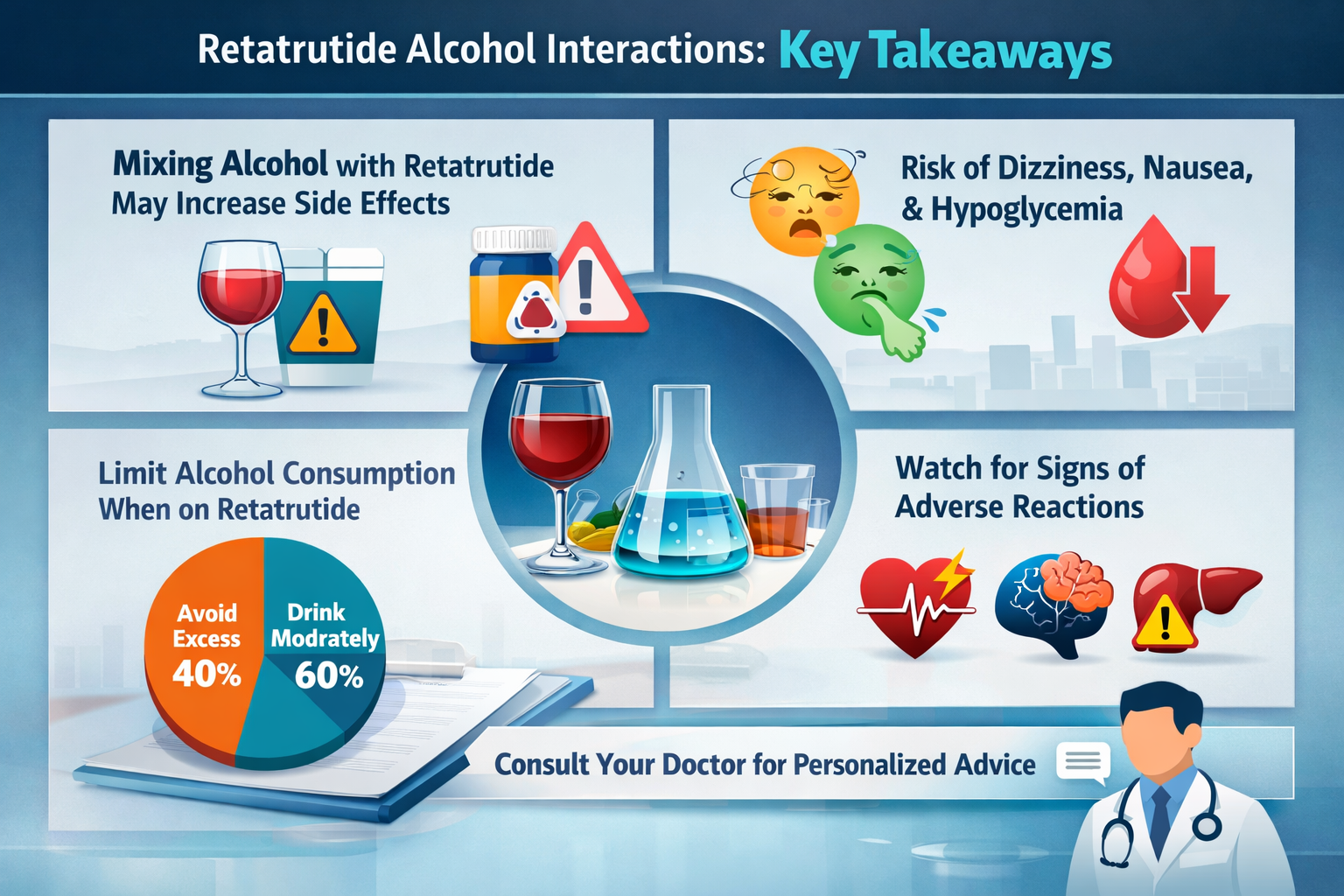
- Retatrutide alcohol interactions involve complex metabolic pathways that may compromise research outcomes and safety protocols
- Alcohol consumption can interfere with retatrutide’s triple-receptor agonist mechanisms, particularly affecting glucose regulation and hepatic function
- Both substances undergo hepatic metabolism, creating potential competition for enzymatic pathways and increased liver stress
- Gastrointestinal side effects common to retatrutide may be significantly amplified when combined with alcohol
- Researchers must implement strict protocols when designing studies involving retatrutide to account for potential alcohol-related confounding variables
- Current evidence suggests complete alcohol avoidance during retatrutide research protocols ensures optimal data integrity
Understanding Retatrutide: Mechanism and Metabolic Profile
Retatrutide represents a significant advancement in peptide-based metabolic research, functioning as a triple-agonist compound that simultaneously activates glucose-dependent insulinotropic polypeptide (GIP), glucagon-like peptide-1 (GLP-1), and glucagon receptors. This unique pharmacological profile distinguishes it from earlier single or dual-agonist compounds, creating a more comprehensive approach to metabolic regulation research.
Pharmacological Characteristics
The compound’s molecular structure enables it to bind with high affinity to all three receptor types, triggering cascading metabolic effects throughout multiple organ systems. In research models, retatrutide demonstrates:
- Enhanced insulin secretion through GIP and GLP-1 receptor activation
- Improved glucagon regulation affecting hepatic glucose production
- Appetite modulation via central nervous system pathways
- Energy expenditure alterations through metabolic rate changes
- Lipid metabolism effects impacting adipose tissue function
These mechanisms make retatrutide a valuable research tool for investigating metabolic disorders, though they also create multiple potential interaction points with other substances, including alcohol.
Metabolic Processing and Elimination
Retatrutide undergoes complex metabolic processing primarily through hepatic pathways. The liver’s role in peptide metabolism involves enzymatic breakdown, with cytochrome P450 enzymes playing significant roles in biotransformation. Understanding this hepatic metabolism becomes crucial when considering retatrutide alcohol interactions, as alcohol follows similar metabolic routes.
The peptide’s half-life and elimination kinetics mean that researchers must account for sustained presence in biological systems, creating extended windows during which interactions might occur. High-purity research-grade peptides require careful handling and storage to maintain structural integrity and predictable pharmacokinetics.
Alcohol Metabolism: Pathways and Physiological Effects
To fully comprehend retatrutide alcohol interactions, researchers must understand alcohol’s complex metabolic journey through biological systems. Ethanol metabolism involves multiple enzymatic pathways, primarily occurring in hepatic tissue, creating direct overlap with retatrutide processing.
Primary Metabolic Pathways
Alcohol metabolism follows three main routes:
Alcohol Dehydrogenase (ADH) Pathway: The primary route for ethanol metabolism, ADH converts alcohol to acetaldehyde in hepatocytes. This process consumes NAD+ cofactors, creating metabolic imbalances that ripple throughout cellular energy systems.
Microsomal Ethanol-Oxidizing System (MEOS): Involving cytochrome P450 2E1 (CYP2E1), this pathway becomes increasingly important with chronic or heavy alcohol exposure. The MEOS generates reactive oxygen species, contributing to oxidative stress and cellular damage.
Catalase Pathway: A minor route primarily occurring in peroxisomes, representing less than 10% of total alcohol metabolism under normal conditions.
Systemic Effects Relevant to Peptide Research
Alcohol consumption triggers widespread physiological changes that may interfere with peptide research protocols:
- Glucose dysregulation: Alcohol inhibits gluconeogenesis while depleting glycogen stores, creating hypoglycemic risks
- Hepatic stress: Increased enzymatic workload and oxidative damage compromise liver function
- Gastrointestinal irritation: Direct mucosal damage and altered motility affect absorption and tolerance
- Hormonal disruption: Changes in insulin sensitivity, cortisol levels, and other endocrine functions
- Inflammatory responses: Cytokine activation and immune system modulation
These effects create multiple potential interference points when studying metabolic peptides like retatrutide.
Retatrutide Alcohol Interactions: Mechanisms of Concern
The intersection of retatrutide’s pharmacological profile with alcohol’s metabolic effects creates several distinct interaction mechanisms that researchers must consider when designing protocols or interpreting data.
Hepatic Competition and Metabolic Overload
Both retatrutide and alcohol require hepatic processing, creating direct competition for enzymatic resources. When alcohol enters the system, the liver prioritizes ethanol metabolism as a protective mechanism, potentially altering retatrutide’s normal metabolic timeline. This competition may result in:
| Interaction Effect | Mechanism | Research Implication |
|---|---|---|
| Delayed peptide clearance | Reduced enzymatic availability for retatrutide metabolism | Prolonged exposure, altered pharmacokinetics |
| Enhanced hepatotoxicity risk | Cumulative stress on hepatocytes | Liver enzyme elevation, cellular damage |
| Metabolite accumulation | Impaired breakdown of both substances | Unpredictable biological effects |
| Oxidative stress amplification | Combined ROS generation | Cellular damage, inflammation markers |
Glucose Regulation Interference
Perhaps the most significant concern regarding retatrutide alcohol interactions involves glucose homeostasis. Retatrutide’s triple-agonist mechanism enhances insulin secretion and modulates glucagon—effects that directly oppose alcohol’s tendency to suppress gluconeogenesis and deplete glycogen stores.
This pharmacological opposition creates dangerous scenarios:
⚠️ Hypoglycemia Risk: The combination of retatrutide’s insulin-promoting effects with alcohol’s glucose-suppressing actions may trigger severe hypoglycemic episodes, particularly in fasted states or with substantial alcohol consumption.
⚠️ Unpredictable Glucose Patterns: Research data on glucose regulation becomes confounded when alcohol introduces opposing metabolic signals, compromising study validity.
⚠️ Counter-Regulatory Impairment: Alcohol blunts normal counter-regulatory responses to low blood sugar, preventing protective mechanisms that would normally activate during hypoglycemia.
Gastrointestinal Amplification Effects
Retatrutide commonly produces gastrointestinal side effects including nausea, vomiting, diarrhea, and abdominal discomfort—effects mediated through GLP-1 receptor activation affecting gastric emptying and intestinal motility. Alcohol independently causes gastrointestinal irritation through direct mucosal damage and altered motility patterns.
When combined, these effects may synergize:
- Severe nausea and vomiting compromising subject compliance and safety
- Dehydration risks from combined fluid loss mechanisms
- Nutrient malabsorption affecting overall metabolic status
- Gastric mucosal damage potentially altering peptide absorption patterns
- Electrolyte imbalances from excessive fluid and mineral loss
For researchers sourcing premium research-grade peptides, understanding these interaction profiles ensures proper protocol design and subject safety considerations.
Cardiovascular and Hemodynamic Considerations
Beyond metabolic interactions, retatrutide alcohol interactions extend to cardiovascular systems, creating additional safety concerns for research protocols involving either substance.
Blood Pressure and Heart Rate Effects
Retatrutide’s influence on metabolic hormones indirectly affects cardiovascular parameters, while alcohol produces direct vasodilatory effects and cardiac rhythm changes. The combination may result in:
- Orthostatic hypotension: Enhanced blood pressure drops upon standing, increasing fall risks
- Heart rate variability: Altered autonomic nervous system balance affecting cardiac rhythm
- Fluid balance disruption: Combined diuretic effects leading to volume depletion
- Vascular reactivity changes: Altered blood vessel responsiveness affecting tissue perfusion
Cardiac Safety Implications
Research protocols must account for potential cardiac safety signals when studying metabolic peptides. Alcohol’s known cardiotoxic effects at higher doses, combined with retatrutide’s systemic metabolic alterations, warrant careful cardiovascular monitoring in any research design.
Neurological and Cognitive Interaction Profiles
The central nervous system represents another critical domain for retatrutide alcohol interactions, particularly given both substances’ effects on appetite regulation, reward pathways, and cognitive function.
Appetite and Satiety Signal Disruption
Retatrutide powerfully suppresses appetite through GLP-1 receptor activation in hypothalamic regions controlling hunger and satiety. Alcohol, conversely, often stimulates appetite initially while disrupting normal satiety signals. This opposition creates:
- Confounded appetite research data making it difficult to isolate retatrutide’s true effects
- Unpredictable eating behaviors complicating nutritional intake assessments
- Altered reward pathway signaling affecting motivation and compliance
- Disrupted circadian eating patterns impacting metabolic rhythm studies
Cognitive Function and Decision-Making
Alcohol’s well-documented cognitive impairment effects may interact with retatrutide’s metabolic influences on brain function, particularly regarding:
- Hypoglycemia-related cognitive deficits when glucose regulation becomes compromised
- Impaired judgment affecting research protocol compliance and safety behaviors
- Memory consolidation interference complicating self-reporting and data collection
- Reaction time alterations relevant for safety monitoring and adverse event assessment
Research Protocol Implications and Best Practices
For scientists working with research peptides, establishing rigorous protocols that account for potential alcohol interactions ensures data integrity and subject safety.
Exclusion Criteria and Screening
Robust research designs should implement comprehensive screening for alcohol use:
✅ Detailed substance use histories capturing frequency, quantity, and patterns of alcohol consumption
✅ Biochemical screening including liver function tests (AST, ALT, GGT) and potentially direct alcohol biomarkers (CDT, EtG)
✅ Standardized questionnaires such as AUDIT (Alcohol Use Disorders Identification Test) to assess consumption patterns
✅ Clear exclusion thresholds defining acceptable versus prohibitive alcohol use levels
✅ Ongoing monitoring protocols to detect unreported alcohol consumption during study periods
Washout Periods and Timing Considerations
When designing studies involving retatrutide, researchers must establish appropriate washout periods if subjects have recent alcohol exposure:
- Minimum 48-72 hour alcohol-free period before retatrutide administration to ensure complete ethanol clearance
- Extended washout for chronic users accounting for metabolic adaptation and hepatic recovery
- Consideration of retatrutide’s half-life when planning alcohol-free periods during treatment
- Documentation of exact timing for all substance exposures to enable proper data interpretation
Safety Monitoring Parameters
Comprehensive safety monitoring becomes essential when studying metabolic peptides, with enhanced vigilance for potential alcohol-related complications:
| Parameter | Monitoring Frequency | Intervention Thresholds |
|---|---|---|
| Glucose levels | Before dosing, 2-4 hours post, as needed | <70 mg/dL or >250 mg/dL |
| Liver enzymes | Baseline, weekly initially, then monthly | >3x upper limit of normal |
| Vital signs | Each visit, pre/post dosing | SBP <90 or >160, HR <50 or >100 |
| GI symptoms | Daily self-report, clinician assessment | Severe/persistent vomiting, dehydration |
| Hydration status | Each visit, symptom-driven | Clinical dehydration signs, electrolyte abnormalities |
Clinical Case Considerations and Adverse Event Profiles
While retatrutide remains primarily in research phases as of 2026, emerging data from clinical trials and preclinical studies provide insights into potential interaction profiles when alcohol exposure occurs.
Documented Adverse Events
Research literature and clinical trial safety data reveal several patterns when subjects using GLP-1 or multi-agonist peptides consume alcohol:
Severe Hypoglycemic Episodes: Multiple case reports document dangerous blood sugar drops when subjects combined incretin-based therapies with moderate-to-heavy alcohol consumption, particularly in fasted states or with delayed meals.
Acute Pancreatitis Cases: While rare, some instances of acute pancreatitis have been reported with GLP-1 receptor agonists, with alcohol representing a known independent risk factor that may compound this concern.
Gastroparesis Exacerbation: The combination of delayed gastric emptying from peptide therapy with alcohol’s gastrointestinal effects has resulted in severe nausea, vomiting, and nutritional compromise in documented cases.
Hepatotoxicity Signals: Elevated liver enzymes have been observed more frequently in subjects with concurrent alcohol use, suggesting additive hepatic stress.
Risk Stratification Factors
Not all subjects face equal risk from retatrutide alcohol interactions. Key risk-amplifying factors include:
• Pre-existing liver disease or elevated baseline liver enzymes
• Diabetes or impaired glucose tolerance increasing hypoglycemia susceptibility
• History of alcohol use disorder suggesting higher consumption likelihood
• Concurrent medications affecting metabolism (CYP450 inhibitors/inducers)
• Advanced age with reduced metabolic reserve and clearance capacity
• Low body weight affecting volume of distribution and concentration effects
Researchers must carefully assess these factors when selecting subjects and interpreting safety data.
Comparative Analysis: Retatrutide vs. Other Metabolic Peptides
Understanding how retatrutide alcohol interactions compare to similar compounds provides valuable context for risk assessment and protocol design.
GLP-1 Receptor Agonists
Single-agonist GLP-1 compounds like semaglutide share some interaction concerns with retatrutide:
- Similar gastrointestinal side effect profiles that may amplify with alcohol
- Comparable hypoglycemia risks, though potentially less pronounced than triple-agonist effects
- Delayed gastric emptying creating similar absorption and tolerance concerns
However, retatrutide’s additional GIP and glucagon receptor activity introduces unique considerations not present with pure GLP-1 agonists.
Dual-Agonist Compounds
Emerging dual-agonist peptides like tirzepatide (GIP/GLP-1) provide intermediate comparison points:
- Enhanced metabolic effects compared to single agonists but less comprehensive than retatrutide’s triple action
- Similar hepatic metabolism pathways creating comparable alcohol competition concerns
- Intermediate risk profiles for glucose dysregulation and gastrointestinal effects
Multi-Peptide Research Protocols
Some research designs involve combinations of peptides, such as BPC-157 or TB-500 alongside metabolic compounds. These combinations create additional complexity when considering alcohol interactions, as each peptide introduces its own pharmacological profile and potential interaction mechanisms.
Researchers working with multiple peptides must account for cumulative effects and potential synergistic interactions that alcohol might amplify or disrupt.
Practical Guidelines for Research Settings
Implementing effective protocols to manage retatrutide alcohol interactions requires systematic approaches across multiple operational domains.
Subject Education and Informed Consent
Comprehensive education ensures subjects understand interaction risks:
📋 Written materials clearly explaining alcohol prohibition rationale and duration
📋 Verbal counseling reinforcing key safety messages and answering questions
📋 Specific examples of alcohol-containing products to avoid (medications, mouthwashes, food preparations)
📋 Emergency protocols detailing what to do if accidental alcohol exposure occurs
📋 Contact information for immediate reporting of concerns or adverse events
Laboratory Quality Control
For facilities sourcing research materials, quality control measures ensure peptide integrity that might otherwise compound interaction risks:
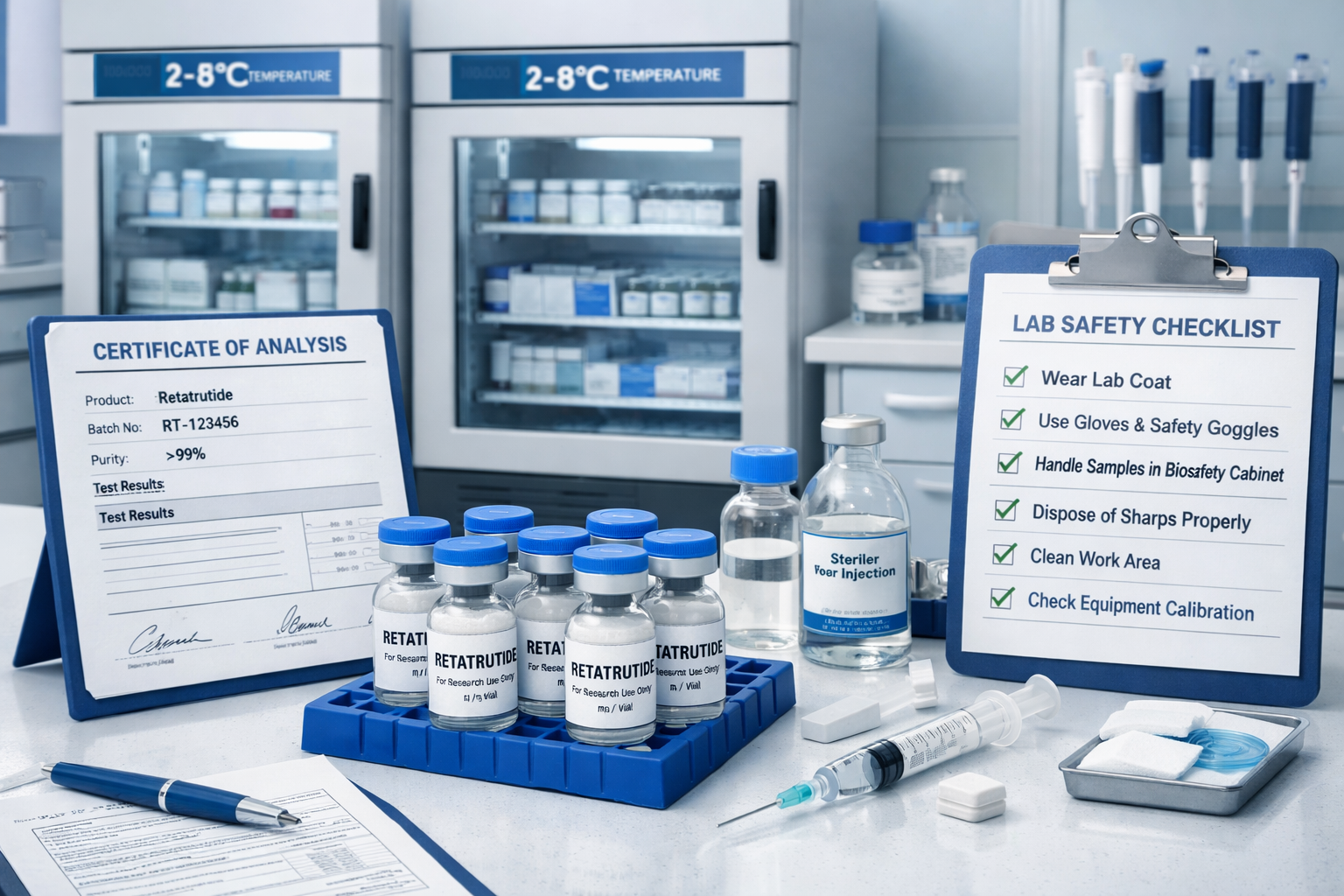
- Verification of peptide purity through independent testing
- Proper storage conditions maintaining stability and preventing degradation
- Certificate of Analysis (COA) documentation for each batch
- Temperature monitoring during storage and transport
- Reconstitution protocols using appropriate sterile diluents
Degraded or impure peptides may exhibit altered pharmacokinetics that could exacerbate alcohol interaction risks.
Documentation and Data Management
Meticulous record-keeping enables proper analysis of any interaction events:
- Detailed exposure logs capturing exact timing of peptide administration and any alcohol consumption
- Symptom diaries documenting gastrointestinal, metabolic, and other effects
- Biochemical data tracking glucose, liver enzymes, and other relevant parameters
- Adverse event reports following standardized formats for consistent analysis
- Protocol deviation documentation when alcohol exposure occurs despite prohibitions
This comprehensive data collection supports both immediate safety management and longer-term understanding of interaction profiles.
Emerging Research and Future Directions
As retatrutide advances through development pipelines in 2026, ongoing research continues to refine understanding of retatrutide alcohol interactions and their clinical implications.
Current Clinical Trial Approaches
Major retatrutide trials implement stringent alcohol-related protocols:
- Complete abstinence requirements during active treatment phases
- Extended washout periods before enrollment for subjects with recent heavy use
- Regular monitoring including both self-report and biochemical verification
- Subgroup analyses examining outcomes in subjects with varying baseline alcohol use histories
These rigorous approaches reflect the scientific community’s recognition of interaction significance while also limiting real-world applicability data.
Knowledge Gaps Requiring Further Investigation
Several critical questions remain inadequately addressed:
❓ Dose-response relationships: How do different alcohol quantities affect interaction severity?
❓ Timing dependencies: Does interaction risk vary based on time intervals between peptide administration and alcohol consumption?
❓ Individual variability: What genetic or metabolic factors modify interaction susceptibility?
❓ Chronic vs. acute exposure: Do interaction profiles differ between occasional versus regular alcohol use?
❓ Recovery timelines: How quickly do interaction risks resolve after discontinuing either substance?
Future research addressing these gaps will enable more nuanced risk assessment and potentially more flexible protocols for specific populations.
Translational Implications
As metabolic peptides like retatrutide move toward broader applications, understanding alcohol interactions becomes increasingly important for real-world implementation:
- Patient counseling frameworks for clinical use scenarios
- Risk mitigation strategies for populations where complete abstinence may be unrealistic
- Monitoring protocols balancing safety with practical feasibility
- Educational campaigns raising awareness among prescribers and users
Researchers working with advanced peptide compounds contribute to this knowledge base through careful documentation and reporting of interaction-related observations.
Regulatory and Ethical Considerations
The intersection of peptide research and substance use raises important regulatory and ethical questions that researchers must navigate carefully.
Informed Consent Complexities
Obtaining truly informed consent for retatrutide research requires transparent communication about alcohol interaction risks, including:
- Known dangers based on current evidence and mechanistic understanding
- Uncertainty acknowledgment regarding incompletely characterized risks
- Alternative options if alcohol abstinence represents an unacceptable burden
- Withdrawal rights allowing subjects to discontinue if compliance becomes problematic
- Monitoring requirements and their rationale for safety protection
Ethical research practice demands honest assessment of whether subjects can realistically maintain required alcohol abstinence, rather than enrolling individuals likely to experience protocol violations.
Reporting Obligations
When alcohol-related adverse events occur during retatrutide research, investigators face clear reporting obligations:
- Institutional Review Board (IRB) notification within required timeframes
- Regulatory authority reporting for serious or unexpected events
- Sponsor communication for industry-funded trials
- Scientific community disclosure through publications and presentations
These reporting mechanisms ensure collective learning and continuous safety improvement across the research community.
Vulnerable Population Protections
Special considerations apply when retatrutide research involves populations with elevated alcohol interaction risks:
- Adolescents and young adults with developing metabolic systems and potentially higher risk-taking behaviors
- Individuals with substance use histories facing greater compliance challenges
- Economically disadvantaged groups where participation incentives might override safety concerns
- Cognitively impaired populations with reduced capacity for informed decision-making
Enhanced protections, including additional oversight and support mechanisms, become necessary for these vulnerable groups.
Storage, Handling, and Quality Assurance
Proper peptide management reduces risks that might compound alcohol interaction concerns, making quality assurance protocols essential for research integrity.
Optimal Storage Conditions
Retatrutide, like other research peptides, requires specific storage conditions to maintain stability:
Lyophilized (powder) form:
- Temperature: -20°C to -80°C for long-term storage
- Protection from light and moisture
- Sealed containers with desiccants
- Shelf life: Typically 1-2 years when properly stored
Reconstituted solutions:
- Temperature: 2-8°C (refrigeration)
- Use within 14-28 days depending on diluent
- Protection from light
- Sterile conditions throughout handling
Degraded peptides may exhibit altered pharmacokinetics, potentially affecting interaction profiles with alcohol or other substances.
Reconstitution Best Practices
Proper reconstitution ensures predictable peptide behavior:
- Allow peptide to reach room temperature before reconstitution to prevent condensation
- Use appropriate sterile diluent (typically bacteriostatic water for research applications)
- Add diluent slowly along pen peptide wall to minimize foaming and protein denaturation
- Gentle swirling rather than shaking to dissolve without damaging peptide structure
- Visual inspection for clarity and absence of particulates before use
- Proper labeling with reconstitution date and concentration
These practices maintain peptide integrity, ensuring that observed effects—including any alcohol interactions—reflect the intended compound rather than degradation products.
Supplier Selection Criteria
Choosing reputable peptide suppliers minimizes quality-related risks:
✓ Documented purity levels (typically ≥98% for research-grade materials)
✓ Third-party testing verification with accessible Certificates of Analysis
✓ Proper storage and shipping maintaining cold chain integrity
✓ Clear labeling including “For Research Use Only” designations
✓ Responsive customer support for technical questions and concerns
Facilities like PEPTIDE PRO specializing in research-grade peptides implement rigorous quality control measures, providing researchers with reliable materials for accurate study outcomes.
Prioritizing Safety in Retatrutide Research
Understanding retatrutide alcohol interactions represents a critical component of responsible peptide research in 2026 and beyond. The convergence of retatrutide’s triple-agonist metabolic effects with alcohol’s widespread physiological impacts creates multiple interaction mechanisms—from hepatic competition and glucose dysregulation to amplified gastrointestinal effects and cardiovascular concerns.
Key Recommendations for Researchers
Based on current evidence and pharmacological principles, several clear recommendations emerge:
🔬 Implement strict alcohol exclusion criteria in retatrutide research protocols, requiring complete abstinence during active study periods and appropriate washout intervals.
🔬 Establish comprehensive monitoring systems tracking glucose levels, liver function, gastrointestinal symptoms, and other relevant parameters to detect interaction-related complications early.
🔬 Prioritize subject education and informed consent ensuring participants understand interaction risks and compliance requirements before enrollment.
🔬 Source high-quality research materials from reputable suppliers maintaining rigorous purity standards and proper storage conditions.
🔬 Document all exposures meticulously enabling proper data interpretation and contributing to collective scientific understanding of interaction profiles.
🔬 Report adverse events promptly through appropriate channels to support ongoing safety surveillance and protocol refinement.
The Path Forward
As retatrutide research advances and potentially transitions toward clinical applications, the scientific community must continue refining understanding of alcohol interactions through:
- Systematic collection and analysis of interaction-related data from ongoing trials
- Mechanistic studies elucidating specific pathways and individual variability factors
- Development of risk stratification tools identifying particularly vulnerable populations
- Creation of evidence-based guidelines for managing unavoidable alcohol exposures
- Translation of research findings into practical clinical protocols and patient education materials
Taking Action
For researchers planning studies involving retatrutide or related metabolic peptides, the time to establish robust alcohol interaction protocols is during the design phase—not after complications arise. This proactive approach protects both subject safety and data integrity while contributing to the broader scientific understanding of these powerful research tools.
Facilities seeking reliable sources for research-grade peptides can explore options through established suppliers maintaining the quality standards essential for reproducible, safe research outcomes. Contact PEPTIDE PRO for information about high-purity retatrutide and other research compounds, complete with Certificates of Analysis and expert technical support.
By prioritizing safety, maintaining rigorous protocols, and advancing collective knowledge through careful documentation and reporting, the research community can unlock retatrutide’s full potential while minimizing risks—including those posed by retatrutide-alcohol interactions—that might otherwise compromise scientific progress or subject wellbeing.