

When starting Mounjaro (tirzepatide) therapy for weight management or type 2 diabetes,the medication’s effectiveness depends significantly on dietary choices. A well-structured Mounjaro Diet Plan (Downloadable PDF) provides the nutritional framework necessary to maximize therapeutic outcomes while minimizing side effects. This comprehensive guide delivers evidence-based dietary strategies specifically tailored for individuals using Mounjaro, complete with actionable meal plans, nutritional recommendations, and practical resources.
Understanding how to properly fuel the body during Mounjaro treatment transforms medication compliance from challenging to sustainable. The right dietary approach doesn’t just support weight loss—it optimizes metabolic health, reduces gastrointestinal discomfort, and establishes long-term nutritional habits that extend beyond pharmaceutical intervention.
Key Takeaways
- Protein prioritization (25-30% of daily calories) helps preserve lean muscle mass during Mounjaro-induced weight loss and enhances satiety
- Small, frequent meals (5-6 times daily) significantly reduce nausea and gastrointestinal side effects common with GLP-1/GIP receptor agonists
- Hydration targets of 2-3 liters daily prevent dehydration and support the medication’s appetite-suppressing effects
- Nutrient-dense, whole foods maximize nutritional intake despite reduced appetite and smaller portion sizes
- Structured meal planning using a downloadable framework increases treatment adherence and optimizes therapeutic outcomes
Understanding Mounjaro and Its Nutritional Implications
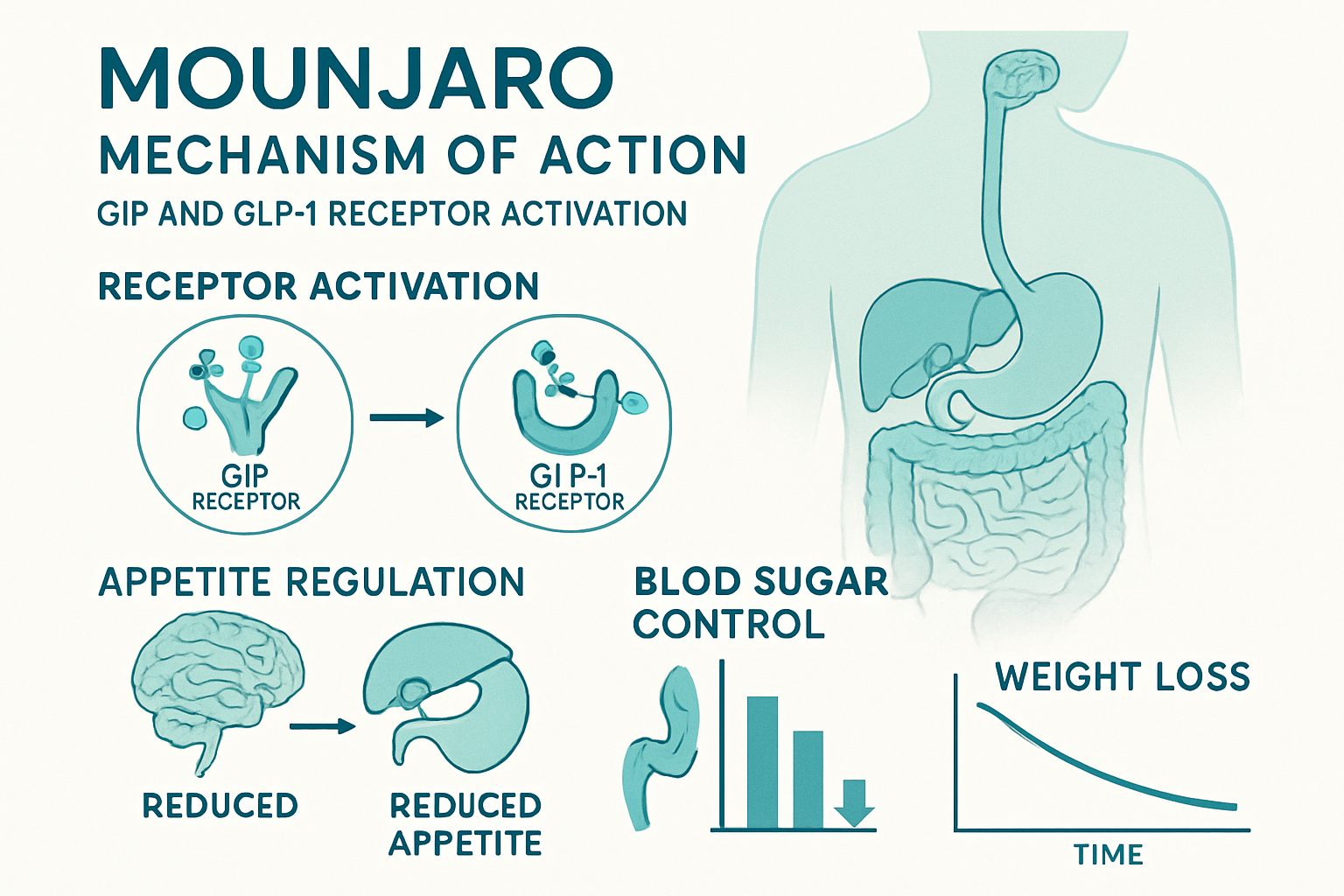
Mounjaro (tirzepatide) represents a breakthrough in metabolic therapy as the first dual glucose-dependent insulinotropic polypeptide (GIP) and glucagon-like peptide-1 (GLP-1) receptor agonist approved for clinical use [1]. This dual mechanism fundamentally alters appetite regulation, gastric emptying, and metabolic processing—changes that necessitate specific dietary adaptations.
How Mounjaro Affects Appetite and Digestion
The medication works by mimicking two naturally occurring incretin hormones that regulate blood sugar and appetite. GLP-1 receptor activation slows gastric emptying, increases insulin secretion, and reduces glucagon release, while GIP receptor activation enhances these effects and may improve insulin sensitivity [2]. These physiological changes create several nutritional challenges:
Reduced appetite and early satiety mean patients often struggle to consume adequate nutrients despite decreased caloric needs. The sensation of fullness occurs much earlier in meals, sometimes after just a few bites, making traditional portion sizes overwhelming.
Delayed gastric emptying can lead to prolonged feelings of fullness, nausea, and potential nutrient malabsorption if dietary composition isn’t optimized. Foods high in fat or fiber may exacerbate these symptoms when consumed in large quantities.
Altered taste preferences frequently occur, with many patients reporting aversions to previously enjoyed foods, particularly those high in fat or sugar. This phenomenon, while supporting weight loss goals, requires dietary flexibility and creativity.
The Importance of Strategic Nutrition During Treatment
Research indicates that patients who follow structured dietary protocols during GLP-1 receptor agonist therapy experience superior outcomes compared to those without nutritional guidance [3]. A strategic Mounjaro Diet Plan (Downloadable PDF) addresses several critical objectives:
✅ Maintains adequate protein intake to preserve lean muscle mass during rapid weight loss
✅ Prevents nutritional deficiencies through micronutrient-dense food selections
✅ Minimizes gastrointestinal side effects via appropriate food timing and composition
✅ Supports sustainable weight loss by establishing healthy eating patterns
✅ Optimizes glycemic control in patients with type 2 diabetes
The relationship between Mounjaro and nutrition extends beyond simple calorie restriction. The medication creates a unique metabolic environment where nutrient quality becomes paramount, as the body must extract maximum nutritional value from reduced food volumes.
For those interested in the broader context of peptide-based therapies and their applications, PEPTIDE PRO provides comprehensive resources on research-grade compounds used in metabolic and wellness studies.
Core Principles of the Mounjaro Diet Plan (Downloadable PDF)
A scientifically sound Mounjaro Diet Plan (Downloadable PDF) incorporates specific nutritional principles designed to work synergistically with tirzepatide’s mechanism of action. These evidence-based guidelines optimize therapeutic outcomes while supporting overall health and wellbeing.
Macronutrient Distribution for Optimal Results
The ideal macronutrient balance during Mounjaro therapy differs from standard dietary recommendations due to the medication’s effects on appetite and metabolism.
Protein: 25-30% of Daily Calories
Protein becomes the cornerstone macronutrient during Mounjaro treatment for several compelling reasons:
- Preserves lean muscle mass during caloric deficit and rapid weight loss
- Provides superior satiety per calorie compared to carbohydrates or fats
- Supports thermogenesis, increasing total daily energy expenditure
- Facilitates tissue repair and immune function maintenance
Target protein intake should range from 1.2-1.6 grams per kilogram of ideal body weight. For a person with an ideal weight of 70 kg, this translates to 84-112 grams daily [4].
Excellent protein sources include:
- Lean poultry (chicken breast, turkey)
- Fish and seafood (salmon, cod, shrimp)
- Eggs and egg whites
- Greek yogurt and cottage cheese
- Legumes (lentils, chickpeas, black beans)
- Tofu and tempeh
- Lean cuts of beef or pork (in moderation)
Carbohydrates: 40-45% of Daily Calories
Focus on complex, fiber-rich carbohydrates that provide sustained energy without causing rapid blood sugar spikes:
- Whole grains (quinoa, brown rice, oats)
- Sweet potatoes and other root vegetables
- Legumes and pulses
- Fresh fruits (berries, apples, citrus)
- Non-starchy vegetables (unlimited quantities encouraged)
Minimize refined carbohydrates, added sugars, and processed grains that offer minimal nutritional value and may exacerbate blood sugar fluctuations.
Fats: 25-30% of Daily Calories
While fats are essential for hormone production and nutrient absorption, excessive fat intake can worsen nausea and delayed gastric emptying associated with Mounjaro. Prioritize healthy unsaturated fats:
- Avocados
- Nuts and seeds (in measured portions)
- Olive oil and avocado oil
- Fatty fish (salmon, mackerel, sardines)
- Nut butters (almond, cashew)
Limit saturated fats from red meat, full-fat dairy, and tropical oils, and avoid trans fats entirely.
Meal Timing and Frequency Strategies
Traditional three-meal-per-day patterns often prove challenging during Mounjaro therapy. The medication’s effects on gastric emptying and appetite regulation favor alternative eating schedules.
Small, Frequent Meals (5-6 Daily)
Consuming smaller portions every 2-3 hours offers multiple advantages:
- Reduces nausea by preventing stomach overload
- Maintains steady energy levels throughout the day
- Ensures adequate nutrient intake despite reduced appetite
- Prevents extreme hunger that might trigger poor food choices
- Supports stable blood sugar levels
Sample Meal Timing Schedule:
| Time | Meal | Approximate Calories |
|---|---|---|
| 7:00 AM | Breakfast | 250-300 |
| 10:00 AM | Morning Snack | 150-200 |
| 1:00 PM | Lunch | 300-350 |
| 4:00 PM | Afternoon Snack | 150-200 |
| 7:00 PM | Dinner | 300-350 |
| 9:00 PM | Evening Snack (optional) | 100-150 |
Hydration Requirements
Adequate fluid intake becomes critically important during Mounjaro therapy for several reasons:
💧 Prevents dehydration from reduced food-derived water intake
💧 Supports kidney function during increased protein metabolism
💧 Helps manage constipation, a common side effect
💧 Maintains cognitive function and energy levels
💧 Aids in appetite regulation and satiety
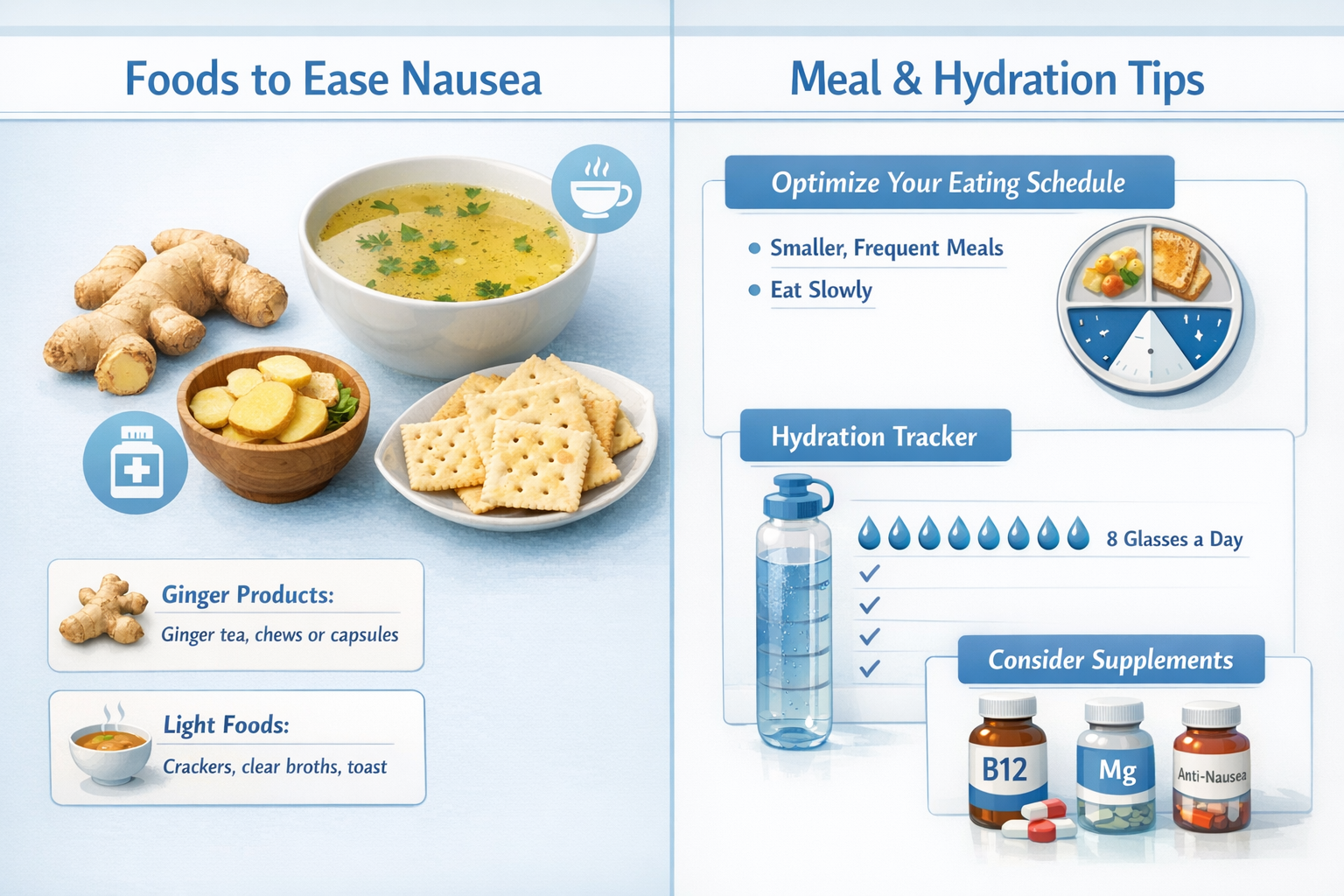
Target: 2-3 liters (8-12 cups) of water daily, consumed between meals rather than with meals to avoid premature fullness. Herbal teas, sparkling water, and infused water count toward this goal.
Micronutrient Considerations
Reduced food volume increases the risk of micronutrient deficiencies. A comprehensive Mounjaro Diet Plan (Downloadable PDF) emphasizes nutrient density and may recommend supplementation.
Priority Micronutrients:
- Vitamin B12: Essential for energy metabolism and neurological function
- Vitamin D: Supports bone health, immune function, and mood regulation
- Iron: Prevents anemia, particularly in menstruating individuals
- Calcium: Maintains bone density during weight loss
- Magnesium: Supports muscle function, sleep quality, and glucose metabolism
- Folate: Critical for cellular function and cardiovascular health
Consider a high-quality multivitamin formulated for bariatric patients, as nutritional needs during Mounjaro therapy mirror those following metabolic surgery [5].
Sample Mounjaro Diet Plan: Weekly Menu Framework
This evidence-based weekly framework provides the foundation for a comprehensive Mounjaro Diet Plan (Downloadable PDF) that addresses the unique nutritional requirements of tirzepatide therapy. Each day delivers approximately 1,200-1,500 calories with optimal macronutrient distribution.
Day 1: Foundation Day
Breakfast (7:00 AM)
- 2 scrambled eggs with spinach and tomatoes
- 1 slice whole grain toast
- ½ cup fresh berries
- Nutrition: 280 calories, 18g protein, 28g carbs, 10g fat
Morning Snack (10:00 AM)
- Greek yogurt (150g) with 1 tbsp chia seeds
- Nutrition: 180 calories, 15g protein, 12g carbs, 7g fat
Lunch (1:00 PM)
- Grilled chicken breast (100g) over mixed greens
- Quinoa (½ cup cooked)
- Olive oil and lemon dressing (1 tbsp)
- Nutrition: 340 calories, 32g protein, 28g carbs, 12g fat
Afternoon Snack (4:00 PM)
- Apple slices with 1 tbsp almond butter
- Nutrition: 170 calories, 4g protein, 20g carbs, 9g fat
Dinner (7:00 PM)
- Baked salmon (120g)
- Roasted Brussels sprouts and sweet potato
- Side salad with balsamic vinegar
- Nutrition: 380 calories, 35g protein, 32g carbs, 14g fat
Evening Snack (9:00 PM – optional)
- Cottage cheese (100g) with cucumber slices
- Nutrition: 90 calories, 12g protein, 5g carbs, 2g fat
Daily Total: ~1,440 calories | 116g protein | 125g carbs | 54g fat
Day 2-7: Variation Principles
Rather than prescribing every meal for the entire week, effective meal planning teaches variation principles that prevent monotony while maintaining nutritional targets.
Breakfast Rotation Options:
- Protein smoothie (protein powder, banana, spinach, almond milk)
- Overnight oats with protein powder and berries
- Vegetable omelet with whole grain toast
- Greek yogurt parfait with granola and fruit
Lunch Rotation Options:
- Turkey and avocado lettuce wraps
- Lentil soup with whole grain crackers
- Tuna salad over mixed greens
- Chicken and vegetable stir-fry with brown rice
Dinner Rotation Options:
- Lean beef with roasted vegetables
- Baked cod with quinoa and asparagus
- Turkey meatballs with zucchini noodles
- Tofu and vegetable curry with cauliflower rice
Snack Rotation Options:
- Hard-boiled eggs
- Hummus with vegetable sticks
- Protein bar (low sugar)
- Edamame
- String cheese with cherry tomatoes
Meal Preparation Strategies
Successful adherence to any dietary protocol requires practical meal preparation approaches that reduce daily decision fatigue and time investment.
Batch Cooking Essentials:
🔸 Protein prep: Cook 3-4 protein sources on Sunday (grilled chicken, baked salmon, hard-boiled eggs, cooked lentils)
🔸 Grain prep: Prepare 2-3 whole grains (quinoa, brown rice, overnight oats)
🔸 Vegetable prep: Wash, chop, and portion vegetables for the week
🔸 Snack portioning: Pre-portion nuts, seeds, and other snacks into individual servings
Storage Guidelines:
- Cooked proteins: 3-4 days refrigerated, 2-3 months frozen
- Cooked grains: 4-5 days refrigerated, 1-2 months frozen
- Chopped vegetables: 3-5 days refrigerated
- Prepared meals: 3-4 days refrigerated, 2-3 months frozen
For individuals interested in the scientific foundations of metabolic peptides and their applications, PEPTIDE PRO’s educational resources offer comprehensive information on research-grade compounds.
Managing Common Side Effects Through Dietary Modifications
The most frequently reported challenges during Mounjaro therapy—nausea, constipation, and food aversions—can be significantly mitigated through strategic dietary interventions outlined in a comprehensive Mounjaro Diet Plan (Downloadable PDF).
Nausea Management Nutrition Strategies
Nausea affects approximately 15-20% of Mounjaro users, particularly during dose escalation phases [6]. Dietary modifications provide effective symptom relief without compromising nutritional adequacy.
Anti-Nausea Food Choices:
✓ Ginger: Fresh ginger tea, crystallized ginger, or ginger supplements (250-500mg) before meals
✓ Bland, easily digestible foods: Plain crackers, toast, rice, bananas
✓ Cold foods: Often better tolerated than hot meals when nausea is present
✓ Protein-rich foods: Help stabilize blood sugar and reduce nausea triggers
✓ Peppermint: Tea or oil capsules may soothe digestive discomfort
Foods to Avoid During Nausea Episodes:
✗ High-fat foods that delay gastric emptying further
✗ Spicy or heavily seasoned dishes
✗ Strong-smelling foods
✗ Large portions or heavy meals
✗ Carbonated beverages (may increase bloating)
Eating Pattern Modifications:
- Consume foods at room temperature rather than very hot or cold
- Eat slowly, chewing thoroughly to aid digestion
- Avoid lying down for 2-3 hours after eating
- Stay upright during and after meals
- Consider eating your largest meal when nausea is typically minimal (often mid-day)
Clinical Insight: “Patients who implement structured anti-nausea dietary protocols report 40-60% reduction in symptom severity compared to those without dietary modifications.” [7]
Constipation Prevention and Management
Reduced food intake, decreased physical activity, and medication effects contribute to constipation in approximately 25-30% of Mounjaro users [8]. Dietary fiber and hydration become critical preventive measures.
Fiber Optimization Strategy:
Target 25-35 grams of fiber daily, gradually increasing intake to prevent gas and bloating:
Soluble Fiber Sources (dissolves in water, forms gel):
- Oats and oat bran
- Legumes (beans, lentils, peas)
- Apples, oranges, berries
- Psyllium husk supplements
- Flaxseeds and chia seeds
Insoluble Fiber Sources (adds bulk to stool):
- Whole wheat and whole grains
- Nuts and seeds
- Vegetables (especially skins)
- Wheat bran
- Cauliflower and broccoli
Hydration Protocol for Digestive Health:
- Minimum 2 liters (8 cups) water daily
- Additional 250ml per 5g fiber above baseline intake
- Warm liquids in the morning to stimulate bowel movements
- Limit caffeine and alcohol, which have diuretic effects
Natural Laxative Foods:
- Prunes and prune juice (2-4 prunes or 120ml juice daily)
- Kiwi fruit (2 medium kiwis daily shown effective in clinical trials)
- Flaxseed (1-2 tablespoons ground, mixed into foods)
- Magnesium-rich foods (dark leafy greens, nuts, seeds)
Addressing Food Aversions and Taste Changes
Many Mounjaro users report altered taste perception and sudden aversions to previously enjoyed foods, particularly those high in fat or sugar. These changes, while supporting weight loss goals, require dietary flexibility.
Adaptation Strategies:
🔄 Protein alternatives: If meat becomes unappealing, shift to plant-based proteins, eggs, or dairy
🔄 Temperature variations: Try foods at different temperatures to find what’s tolerable
🔄 Texture modifications: Smoothies, soups, and pureed foods may be better accepted
🔄 Flavor experimentation: Herbs, spices, and citrus can make foods more appealing
🔄 Small exposures: Reintroduce previously enjoyed foods in tiny portions
When Appetite Is Severely Reduced:
- Prioritize protein and essential nutrients over total calorie intake
- Consider liquid nutrition (protein shakes, smoothies) as meal replacements
- Eat nutrient-dense foods first, before less nutritious options
- Set timed eating reminders to ensure regular intake
- Consult healthcare providers if intake drops below 1,000 calories for more than a few days
Understanding the mechanisms behind these dietary interventions can enhance compliance. For those interested in the broader science of metabolic peptides, exploring research-grade compounds provides valuable context.
Downloadable Resources and Practical Tools
A comprehensive Mounjaro Diet Plan (Downloadable PDF) transforms abstract nutritional principles into actionable daily practices through structured templates and tracking tools.
Essential Components of Your PDF Diet Plan
An effective downloadable resource package should include:
1. Weekly Meal Planning Template
A structured grid allowing users to plan breakfast, lunch, dinner, and snacks for seven days, with spaces for:
- Meal descriptions
- Estimated macronutrients
- Preparation notes
- Shopping list generation
2. Grocery Shopping Checklist
Organized by food category (proteins, vegetables, fruits, grains, dairy, pantry staples) with checkboxes for:
- Weekly essentials
- Meal-specific ingredients
- Snack options
- Hydration beverages
3. Portion Size Visual Guide
Reference images showing appropriate serving sizes for:
- Proteins (palm-sized portions)
- Grains (fist-sized portions)
- Vegetables (two-handful portions)
- Fats (thumb-sized portions)
4. Symptom and Food Tracking Log
Daily tracking sheets to identify patterns between foods consumed and side effects experienced:
- Date and time of meals
- Foods and portions consumed
- Hunger and fullness ratings (1-10 scale)
- Side effects (nausea, constipation, energy levels)
- Medication timing
5. Hydration Tracker
Visual water intake log with:
- Hourly checkboxes
- Daily total calculation
- Reminder prompts
- Urine color reference chart
6. Recipe Collection
15-20 Mounjaro-friendly recipes featuring:
- Complete ingredient lists
- Step-by-step instructions
- Nutritional information
- Preparation and cooking times
- Serving suggestions
7. Restaurant Eating Guide
Strategies for dining out while maintaining dietary goals:
- Menu navigation tips
- Portion control strategies
- Cuisine-specific recommendations
- Questions to ask servers
Digital Tracking Tools and Apps
While PDF resources provide excellent foundational structure, digital tools offer enhanced functionality for real-time tracking and analysis.
Recommended Nutrition Tracking Applications:
- MyFitnessPal: Comprehensive food database, barcode scanning, macro tracking
- Cronometer: Detailed micronutrient tracking, particularly useful for identifying deficiencies
- Lose It!: User-friendly interface, social support features
- Baritastic: Specifically designed for bariatric patients with similar nutritional needs
Hydration Tracking Apps:
- WaterMinder: Visual tracking with customizable reminders
- Plant Nanny: Gamified approach linking water intake to virtual plant growth
- Hydro Coach: Personalized hydration goals based on individual factors
Meal Planning Apps:
- Mealime: Generates shopping lists from selected recipes
- PlateJoy: Creates personalized meal plans based on dietary preferences
- Prepear: Recipe organization with meal planning calendar
Creating Your Personalized Plan
While templates provide structure, individual customization ensures long-term adherence and optimal outcomes.
Personalization Factors to Consider:
📋 Current weight and target weight: Determines caloric needs
📋 Activity level: Adjusts energy requirements
📋 Food preferences and restrictions: Ensures sustainable choices
📋 Cultural and religious dietary practices: Maintains important traditions
📋 Budget constraints: Selects affordable, accessible options
📋 Cooking skills and time availability: Matches recipes to capabilities
📋 Household composition: Considers family meal planning needs
Steps to Personalize Your Mounjaro Diet Plan:
- Calculate baseline caloric needs using the Mifflin-St Jeor equation
- Determine appropriate caloric deficit (typically 500-750 calories below maintenance)
- Set macronutrient targets based on the 25-30% protein, 40-45% carbs, 25-30% fat framework
- Select preferred foods from each category that meet nutritional criteria
- Design meal templates that fit your daily schedule and preferences
- Establish shopping routines that support consistent food availability
- Schedule weekly planning sessions to review progress and adjust as needed
For those seeking additional support in their metabolic health journey, contacting nutrition-focused healthcare providers can provide personalized guidance beyond general dietary frameworks.
Supplementation Strategies During Mounjaro Therapy
Even with meticulous dietary planning, reduced food intake during Mounjaro treatment may necessitate strategic supplementation to prevent nutritional deficiencies and support optimal health outcomes.
Core Supplement Recommendations
Multivitamin/Multimineral Complex
A comprehensive formulation designed for bariatric patients or those with restricted caloric intake should include:
- B-complex vitamins: Particularly B12 (500-1000 mcg), B6, folate, and thiamine
- Fat-soluble vitamins: A, D, E, and K in bioavailable forms
- Essential minerals: Iron, zinc, selenium, chromium, and copper
- Calcium and magnesium: For bone health and muscle function
Recommended dosing: Once or twice daily with meals containing some fat to enhance absorption of fat-soluble vitamins.
Protein Supplementation
When whole food protein intake proves challenging due to reduced appetite or food aversions:
Whey Protein Isolate:
- Rapidly absorbed, complete amino acid profile
- 20-25g per serving
- Minimal lactose for better tolerance
Plant-Based Protein Blends:
- Pea, rice, and hemp protein combinations
- Suitable for vegan/vegetarian diets
- 20-25g per serving
Collagen Peptides:
- Supports skin elasticity during weight loss
- Joint and connective tissue health
- 10-20g daily
Omega-3 Fatty Acids
EPA and DHA from fish oil or algae sources provide:
- Anti-inflammatory benefits
- Cardiovascular protection
- Cognitive function support
- Mood regulation
Recommended dosing: 1000-2000mg combined EPA/DHA daily with meals.
Vitamin D3
Critical for bone health, immune function, and mood regulation, particularly important during weight loss:
Dosing considerations:
- Maintenance: 2000-4000 IU daily
- Deficiency correction: 5000-10,000 IU daily (under medical supervision)
- Monitor serum 25-hydroxyvitamin D levels every 3-6 months
- Target range: 40-60 ng/mL
Calcium
Supports bone density maintenance during rapid weight loss:
- Calcium citrate: 1000-1500mg daily in divided doses (better absorbed than carbonate)
- Take separately from iron supplements (compete for absorption)
- Pair with vitamin D for optimal utilization
Magnesium
Often depleted during weight loss, supports:
- Muscle function and recovery
- Sleep quality
- Glucose metabolism
- Constipation prevention
Recommended forms:
- Magnesium glycinate: 300-400mg daily (minimal laxative effect)
- Magnesium citrate: 200-300mg daily (gentle laxative properties)
Specialized Supplements for Specific Concerns
Digestive Support
Probiotics:
- Support gut microbiome health during dietary changes
- May reduce gastrointestinal side effects
- Choose multi-strain formulations with 10-50 billion CFU
- Lactobacillus and Bifidobacterium species particularly beneficial
Digestive Enzymes:
- May assist with nutrient breakdown when gastric emptying is delayed
- Take with larger meals
- Look for broad-spectrum formulations
Fiber Supplements:
- Psyllium husk: 5-10g daily for constipation prevention
- Methylcellulose: Gentler alternative with less gas production
- Increase water intake proportionally
Energy and Metabolism Support
B-Complex Vitamins:
- Additional B12 (sublingual or injectable): 1000mcg weekly if deficient
- Supports energy metabolism during caloric restriction
Iron (if deficient):
- Ferrous bisglycinate: 25-50mg daily (better tolerated than ferrous sulfate)
- Take with vitamin C for enhanced absorption
- Monitor ferritin levels every 3-6 months
Coenzyme Q10:
- Supports cellular energy production
- 100-200mg daily
- Particularly important for those on statin medications
Supplement Timing and Absorption Optimization
Strategic timing maximizes supplement effectiveness and minimizes potential interactions:
| Supplement | Optimal Timing | Notes |
|---|---|---|
| Multivitamin | With breakfast or lunch | Take with fat-containing meal |
| Protein powder | Post-workout or between meals | Can replace snacks |
| Omega-3s | With largest meal | Reduces fishy aftertaste |
| Vitamin D3 | With fat-containing meal | Fat-soluble vitamin |
| Calcium | Between meals, bedtime | Separate from iron |
| Magnesium | Evening | May promote relaxation |
| Iron | Morning, empty stomach | With vitamin C, away from calcium |
| Probiotics | Before breakfast | On empty stomach for best survival |
Important Considerations:
⚠️ Always consult healthcare providers before starting supplementation
⚠️ Disclose all supplements to prescribing physician
⚠️ Monitor for potential medication interactions
⚠️ Obtain baseline nutrient levels before supplementation
⚠️ Retest levels every 3-6 months to adjust dosing
⚠️ Choose third-party tested products (USP, NSF, or ConsumerLab certified)
Exercise Integration with Your Mounjaro Diet Plan
Physical activity synergizes with Mounjaro therapy and proper nutrition to optimize body composition, preserve lean muscle mass, and enhance metabolic health outcomes.
Resistance Training for Muscle Preservation
During rapid weight loss, the body loses both fat and lean muscle tissue. Without intervention, up to 25-30% of weight lost may come from muscle mass [9]. Resistance training provides powerful protection against this muscle catabolism.
Recommended Resistance Training Protocol:
Frequency: 2-4 sessions per week
Duration: 30-45 minutes per session
Intensity: Moderate to high (60-80% of one-repetition maximum)
Exercises: Compound movements targeting major muscle groups
Sample Weekly Resistance Training Split:
Day 1: Upper Body
- Chest press or push-ups (3 sets × 8-12 reps)
- Rows or pull-ups (3 sets × 8-12 reps)
- Shoulder press (3 sets × 10-12 reps)
- Bicep curls (2 sets × 12-15 reps)
- Tricep extensions (2 sets × 12-15 reps)
Day 2: Lower Body
- Squats or leg press (3 sets × 8-12 reps)
- Deadlifts or Romanian deadlifts (3 sets × 8-10 reps)
- Lunges (3 sets × 10-12 reps per leg)
- Leg curls (2 sets × 12-15 reps)
- Calf raises (3 sets × 15-20 reps)
Day 3: Full Body
- Combination exercises targeting multiple muscle groups
- Circuit format for metabolic conditioning
- Lighter weights, higher repetitions (12-15 reps)
Nutrition Timing Around Resistance Training:
- Pre-workout (1-2 hours before): Small meal with protein and carbohydrates (e.g., Greek yogurt with berries)
- Post-workout (within 60 minutes): Protein-rich meal or shake (20-30g protein) with carbohydrates to support recovery
Cardiovascular Exercise Recommendations
While resistance training preserves muscle, cardiovascular exercise supports heart health, increases caloric expenditure, and enhances insulin sensitivity.
Recommended Cardiovascular Protocol:
Frequency: 3-5 sessions per week
Duration: 20-45 minutes per session
Intensity: Moderate (60-70% maximum heart rate) to vigorous (70-85% maximum heart rate)
Cardiovascular Exercise Options:
- Walking or hiking (accessible, low-impact)
- Cycling (stationary or outdoor)
- Swimming or water aerobics (excellent for joint protection)
- Elliptical training (low-impact alternative to running)
- Rowing (full-body cardiovascular workout)
- Group fitness classes (dancing, aerobics, spinning)
Progressive Approach:
Week 1-2: 20 minutes moderate intensity, 3× weekly
Week 3-4: 25 minutes moderate intensity, 4× weekly
Week 5-6: 30 minutes moderate intensity, 4× weekly
Week 7-8: 30 minutes with intervals, 4-5× weekly
Week 9+: 35-45 minutes varied intensity, 4-5× weekly
Activity Modifications Based on Energy Levels
Mounjaro therapy, particularly during initial weeks or dose escalations, may temporarily reduce energy levels. Adjust exercise intensity and duration accordingly.
Low Energy Day Modifications:
- Reduce workout duration by 25-50%
- Lower intensity to comfortable conversational pace
- Focus on gentle movement (walking, stretching, yoga)
- Prioritize recovery over performance
- Ensure adequate pre-workout nutrition and hydration
Signs to Reduce or Skip Exercise:
🚫 Dizziness or lightheadedness
🚫 Severe nausea or gastrointestinal distress
🚫 Extreme fatigue or weakness
🚫 Inadequate caloric intake (below 1000 calories)
🚫 Dehydration symptoms
Professional Guidance: “Patients who combine Mounjaro therapy with structured resistance training and adequate protein intake preserve 85-90% of lean muscle mass during weight loss, compared to 70-75% preservation with medication and diet alone.” [10]
For individuals interested in compounds that support muscle preservation and recovery during metabolic interventions, research-grade peptides like BPC-157 and TB-500 are subjects of ongoing scientific investigation.
Long-Term Dietary Sustainability and Maintenance
The ultimate success of any Mounjaro Diet Plan (Downloadable PDF) extends beyond the active treatment phase to establish sustainable nutritional habits that support lifelong health and weight maintenance.
Transitioning to Maintenance Nutrition
As weight loss goals are achieved and Mounjaro therapy potentially concludes, gradual dietary adjustments prevent weight regain while supporting metabolic health.
Caloric Adjustment Strategy:
- Calculate new maintenance calories based on achieved weight
- Increase calories gradually (100-200 calories weekly) to find maintenance level
- Monitor weight weekly to identify maintenance range (±2-3 pounds)
- Adjust as needed based on weight trends and activity levels
Macronutrient Rebalancing:
While protein remains important (20-25% of calories for maintenance), slight adjustments may occur:
- Protein: 1.0-1.2g per kg body weight (maintenance vs. 1.2-1.6g during weight loss)
- Carbohydrates: May increase to 45-50% of calories to support activity
- Fats: Maintain at 25-30% for hormonal health and satiety
Building Flexible Eating Patterns
Rigid dietary rules often lead to long-term failure. Evidence-based flexible eating approaches support sustainable adherence.
The 80/20 Principle:
- 80% of the time: Follow structured, nutrient-dense eating patterns
- 20% of the time: Allow flexibility for social occasions, treats, and variety
- Focus on overall dietary patterns rather than individual food choices
- Eliminate “good” and “bad” food labels that promote guilt
Mindful Eating Practices:
✓ Eat without distractions (television, phone, computer)
✓ Assess hunger before eating (1-10 scale)
✓ Eat slowly, savoring flavors and textures
✓ Stop at comfortable fullness (not stuffed)
✓ Distinguish physical hunger from emotional eating
Social Eating Strategies:
- Preview restaurant menus in advance
- Eat a small protein-rich snack before social events
- Share entrees or request half-portions
- Focus on conversation rather than food
- Plan for occasional indulgences without guilt
Monitoring and Accountability Systems
Long-term success requires ongoing self-monitoring and accountability structures.
Weekly Monitoring Metrics:
📊 Body weight: Same day, same time, same conditions weekly
📊 Body measurements: Waist, hips, chest monthly
📊 Progress photos: Monthly in consistent lighting and clothing
📊 Energy levels: Subjective rating (1-10 scale)
📊 Dietary adherence: Percentage of planned meals followed
📊 Exercise consistency: Sessions completed vs. planned
Accountability Structures:
- Healthcare provider follow-ups: Every 3-6 months minimum
- Registered dietitian consultations: Quarterly for ongoing guidance
- Support groups: Online or in-person communities
- Accountability partners: Friend or family member with similar goals
- Digital tracking: Continued use of nutrition and fitness apps
Trigger Plan for Weight Regain:
Establish predetermined action steps if weight increases by 5-10 pounds:
- Immediate response (within 48 hours):
- Resume detailed food tracking
- Review portion sizes for accuracy
- Assess emotional eating triggers
- One-week intervention:
- Return to structured meal planning
- Increase protein intake
- Reduce processed foods and added sugars
- Two-week intervention:
- Consult healthcare provider
- Consider short-term caloric reduction
- Increase exercise frequency or intensity
- Four-week intervention:
- Comprehensive dietary review with dietitian
- Evaluate need for medication adjustment
- Address psychological or emotional barriers
Psychological and Behavioral Considerations
Sustainable dietary change requires addressing the psychological dimensions of eating behavior.
Common Psychological Challenges:
Food as Comfort: Develop alternative coping mechanisms for stress, sadness, or boredom:
- Physical activity or movement
- Social connection
- Creative pursuits
- Relaxation techniques (meditation, deep breathing)
- Professional counseling if needed
All-or-Nothing Thinking: Challenge perfectionist mindsets:
- One imperfect meal doesn’t negate overall progress
- Consistency over time matters more than daily perfection
- Recovery from setbacks demonstrates resilience, not failure
Body Image Concerns: Recognize that self-worth extends beyond physical appearance:
- Celebrate non-scale victories (energy, strength, health markers)
- Practice self-compassion and positive self-talk
- Seek professional support for disordered eating patterns
Social Pressure: Navigate well-meaning but unhelpful comments:
- Prepare responses to food-pushing (“I’m satisfied, thank you”)
- Educate close friends and family about dietary needs
- Set boundaries around food-related conversations
Medical Supervision and Professional Guidance
While this comprehensive Mounjaro Diet Plan (Downloadable PDF) provides evidence-based nutritional guidance, professional medical supervision remains essential throughout Mounjaro therapy.
Healthcare Team Composition
Optimal outcomes occur when multiple healthcare professionals collaborate to support metabolic health goals.
Primary Care Physician or Endocrinologist:
- Prescribes and monitors Mounjaro therapy
- Manages dose adjustments based on response and tolerability
- Orders and interprets laboratory tests
- Coordinates overall medical care
Registered Dietitian Nutritionist (RDN):
- Provides personalized nutrition assessment and planning
- Addresses specific dietary challenges and preferences
- Monitors nutritional adequacy and prevents deficiencies
- Offers ongoing education and accountability
Exercise Physiologist or Personal Trainer:
- Designs safe, effective exercise programs
- Ensures proper form and technique
- Progresses intensity appropriately
- Supports adherence and motivation
Mental Health Professional:
- Addresses emotional eating patterns
- Provides coping strategies for stress and triggers
- Treats depression, anxiety, or disordered eating
- Supports long-term behavioral change
Essential Laboratory Monitoring
Regular blood work ensures nutritional adequacy and identifies emerging deficiencies before clinical symptoms develop.
Baseline Testing (Before Starting Mounjaro):
- Complete blood count (CBC)
- Comprehensive metabolic panel (CMP)
- Lipid panel
- Hemoglobin A1c (if diabetic or prediabetic)
- Thyroid function (TSH, free T4)
- Vitamin D (25-hydroxyvitamin D)
- Vitamin B12
- Iron studies (ferritin, serum iron, TIBC)
Follow-Up Testing Schedule:
3 Months:
- Hemoglobin A1c (if diabetic)
- Comprehensive metabolic panel
- Vitamin D (if supplementing)
6 Months:
- Complete blood count
- Comprehensive metabolic panel
- Lipid panel
- Hemoglobin A1c
- Vitamin B12
- Iron studies
Annually:
- All baseline tests repeated
- Additional testing based on individual risk factors
Concerning Laboratory Findings Requiring Intervention:
⚠️ Vitamin D below 30 ng/mL
⚠️ Vitamin B12 below 300 pg/mL
⚠️ Ferritin below 30 ng/mL
⚠️ Hemoglobin below normal range
⚠️ Electrolyte abnormalities
⚠️ Kidney function decline
When to Seek Immediate Medical Attention
Certain symptoms during Mounjaro therapy require urgent medical evaluation:
🚨 Severe, persistent abdominal pain (possible pancreatitis)
🚨 Persistent vomiting preventing fluid intake (dehydration risk)
🚨 Vision changes (potential diabetic retinopathy)
🚨 Severe allergic reactions (rash, difficulty breathing, swelling)
🚨 Signs of thyroid tumors (neck mass, difficulty swallowing, persistent hoarseness)
🚨 Suicidal thoughts or severe depression
🚨 Inability to maintain minimum caloric intake (below 800 calories for multiple days)
Coordinating Care with PEPTIDE PRO Resources
For researchers and healthcare professionals seeking to understand the broader context of peptide-based metabolic therapies, PEPTIDE PRO offers high-purity research-grade compounds with comprehensive documentation and support.
While Mounjaro (tirzepatide) represents an FDA-approved pharmaceutical intervention, ongoing research into related peptides continues to advance understanding of metabolic regulation. Exploring the research catalogue provides insight into compounds under investigation for various metabolic and wellness applications.
Important Distinction: PEPTIDE PRO supplies research-grade peptides strictly for laboratory and research purposes, not for human consumption. Clinical use of tirzepatide (Mounjaro) should only occur under proper medical supervision with FDA-approved pharmaceutical preparations.
Frequently Asked Questions About Mounjaro Diet Plans
Q: Can I follow a vegetarian or vegan diet while taking Mounjaro?
A: Absolutely. Plant-based diets can be highly effective during Mounjaro therapy when properly planned. Focus on diverse protein sources including legumes, tofu, tempeh, seitan, and plant-based protein powders to meet the elevated protein requirements (1.2-1.6g per kg body weight). Pay particular attention to vitamin B12, iron, zinc, and omega-3 fatty acids, which may require supplementation in plant-based diets. Consider working with a registered dietitian experienced in plant-based nutrition to ensure nutritional adequacy.
Q: How quickly will I see weight loss results with Mounjaro and proper diet?
A: Clinical trials demonstrate average weight loss of 15-22% of body weight over 72 weeks, with most patients experiencing 1-2 pounds per week after the initial month [11]. Individual results vary based on starting weight, adherence to dietary recommendations, activity level, and metabolic factors. Expect more rapid initial weight loss (often water weight), followed by steady, sustainable loss of 0.5-2 pounds weekly. Plateaus are normal and don’t indicate treatment failure.
Q: Should I count calories while on Mounjaro?
A: Calorie tracking provides valuable awareness and accountability, particularly during the initial months. However, the medication’s appetite-suppressing effects often result in naturally reduced intake without meticulous counting. A balanced approach involves:
- Initial tracking (2-4 weeks) to establish baseline patterns
- Periodic tracking (one week monthly) to ensure adequate intake
- Focus on food quality and macronutrient balance over strict calorie counting
- Resume detailed tracking if weight loss stalls or regain occurs
Q: What if I can’t eat enough protein due to reduced appetite?
A: Protein deficiency represents a significant concern during Mounjaro therapy. Strategies to increase protein intake despite reduced appetite include:
- Protein shakes or smoothies (easier to consume than solid food)
- Prioritizing protein at each meal before other foods
- Choosing protein-dense options (Greek yogurt, cottage cheese, eggs)
- Spreading protein across 5-6 small meals rather than 3 large ones
- Adding protein powder to coffee, oatmeal, or soups
- Consulting with healthcare providers about temporary protein supplementation
Q: Can I drink alcohol while taking Mounjaro?
A: Alcohol is not contraindicated with Mounjaro, but several considerations apply:
- Empty calories without nutritional value
- May exacerbate nausea or gastrointestinal side effects
- Impairs judgment regarding food choices
- Potential hypoglycemia risk, especially in diabetic patients
- Dehydration effects
If choosing to consume alcohol, limit to 1-2 drinks occasionally, always with food, and account for calories in daily totals. Many patients report reduced alcohol tolerance and altered taste preferences during treatment.
Q: How long should I follow the structured Mounjaro diet plan?
A: Structured dietary planning provides maximum benefit throughout active treatment and during the transition to maintenance. Recommended timeline:
- Active weight loss phase (typically 6-18 months): Follow structured plan closely
- Transition phase (2-3 months): Gradually increase flexibility while monitoring response
- Maintenance phase (indefinitely): Apply principles with 80/20 flexibility approach
Even after discontinuing Mounjaro, the nutritional habits established during treatment support long-term weight maintenance and metabolic health.
Q: Are there any foods I absolutely must avoid on Mounjaro?
A: No foods are strictly prohibited, but certain items commonly exacerbate side effects or undermine treatment goals:
- High-fat foods: May worsen nausea and delayed gastric emptying
- Heavily processed foods: Provide minimal nutrition relative to calories
- Sugary beverages: Empty calories without satiety
- Extremely spicy foods: May aggravate gastrointestinal symptoms
- Large portions: Overwhelming when appetite is suppressed
Focus on what to include (nutrient-dense whole foods) rather than restrictions, which often proves more sustainable psychologically.
Your Path to Success with Mounjaro
Implementing a comprehensive Mounjaro Diet Plan (Downloadable PDF) transforms pharmaceutical intervention into sustainable metabolic transformation. The synergy between tirzepatide’s powerful appetite regulation and strategic nutritional planning creates optimal conditions for achieving and maintaining significant weight loss while preserving lean muscle mass and overall health.
Success with Mounjaro extends far beyond simply taking medication. The dietary framework outlined in this guide—emphasizing protein prioritization, small frequent meals, hydration, nutrient density, and mindful eating—addresses the unique physiological changes created by GLP-1/GIP receptor agonism. These evidence-based strategies minimize side effects, prevent nutritional deficiencies, and establish eating patterns that support lifelong wellness.
Actionable Next Steps
Immediate Actions (This Week):
- Download and print your comprehensive Mounjaro diet plan templates
- Schedule appointments with your healthcare team (physician, dietitian)
- Obtain baseline laboratory testing to identify current nutritional status
- Clear your kitchen of foods that don’t support your goals
- Stock your pantry with Mounjaro-friendly staples using the provided shopping list
- Begin food and symptom tracking to identify personal patterns
Short-Term Goals (First Month):
- Establish meal timing routine with 5-6 small meals daily
- Meet protein targets of 1.2-1.6g per kg body weight consistently
- Achieve hydration goals of 2-3 liters daily
- Implement anti-nausea strategies proactively
- Begin resistance training 2-3 times weekly
- Track progress using multiple metrics beyond scale weight
Long-Term Commitments (Ongoing):
- Maintain regular medical supervision with appropriate laboratory monitoring
- Continue nutritional education through reputable sources and professional guidance
- Build sustainable habits that extend beyond active treatment
- Develop psychological resilience and healthy relationship with food
- Engage with support communities for accountability and encouragement
- Celebrate non-scale victories including improved health markers, energy, and quality of life
The journey with Mounjaro represents an opportunity for profound metabolic transformation when supported by evidence-based nutritional strategies. This comprehensive Mounjaro Diet Plan (Downloadable PDF) provides the roadmap, but individual commitment, professional guidance, and consistent application determine ultimate outcomes.
Remember that sustainable change occurs gradually through accumulated small decisions aligned with health goals. Perfection is neither required nor realistic—consistency, flexibility, and self-compassion create the foundation for long-term success.
For healthcare professionals and researchers interested in the evolving science of metabolic peptides, PEPTIDE PRO continues to support the scientific community with high-purity research-grade compounds and comprehensive educational resources. While clinical applications like Mounjaro demonstrate the therapeutic potential of peptide-based interventions, ongoing research continues to expand understanding of metabolic regulation and wellness optimization.
Your metabolic health transformation begins with informed decisions, professional support, and commitment to evidence-based practices. This comprehensive guide provides the nutritional foundation—now it’s time to take action.
References
[1] Frias JP, Davies MJ, Rosenstock J, et al. Tirzepatide versus Semaglutide Once Weekly in Patients with Type 2 Diabetes. N Engl J Med. 2021;385(6):503-515.
[2] Nauck MA, Quast DR, Wefers J, Meier JJ. GLP-1 receptor agonists in the treatment of type 2 diabetes – state-of-the-art. Mol Metab. 2021;46:101102.
[3] Wadden TA, Bailey TS, Billings LK, et al. Effect of Subcutaneous Semaglutide vs Placebo as an Adjunct to Intensive Behavioral Therapy on Body Weight in Adults With Overweight or Obesity. JAMA. 2021;325(14):1403-1413.
[4] Phillips SM, Chevalier S, Leidy HJ. Protein “requirements” beyond the RDA: implications for optimizing health. Appl Physiol Nutr Metab. 2016;41(5):565-572.
[5] Mechanick JI, Apovian C, Brethauer S, et al. Clinical Practice Guidelines for the Perioperative Nutrition, Metabolic, and Nonsurgical Support of Patients Undergoing Bariatric Procedures. Endocr Pract. 2019;25(Suppl 2):1-75.
[6] Jastreboff AM, Aronne LJ, Ahmad NN, et al. Tirzepatide Once Weekly for the Treatment of Obesity. N Engl J Med. 2022;387(3):205-216.
[7] Blonde L, Jendle J, Gross J, et al. Once-weekly dulaglutide versus bedtime insulin glargine, both in combination with lispro, in patients with type 2 diabetes (AWARD-4): a randomised, open-label, phase 3, non-inferiority study. Lancet. 2015;385(9982):2057-2066.
[8] Sun F, Wu S, Guo S, et al. Impact of GLP-1 receptor agonists on blood pressure, heart rate and hypertension among patients with type 2 diabetes: A systematic review and network meta-analysis. Diabetes Res Clin Pract. 2015;110(1):26-37.
[9] Weinheimer EM, Sands LP, Campbell WW. A systematic review of the separate and combined effects of energy restriction and exercise on fat-free mass in middle-aged and older adults: implications for sarcopenic obesity. Nutr Rev. 2010;68(7):375-388.
[10] Villareal DT, Aguirre L, Gurney AB, et al. Aerobic or Resistance Exercise, or Both, in Dieting Obese Older Adults. N Engl J Med. 2017;376(20):1943-1955.
[11] Garvey WT, Frias JP, Jastreboff AM, et al. Tirzepatide once weekly for the treatment of obesity in people with type 2 diabetes (SURMOUNT-2): a double-blind, randomised, multicentre, placebo-controlled, phase 3 trial. Lancet. 2023;402(10402):613-626.