

When researchers explore novel triple-agonist peptides for metabolic studies, one critical question emerges: what happens to lean muscle tissue during significant weight reduction? Retatrutide muscle loss has become a focal point in contemporary peptide research, as scientists investigate how this powerful GLP-1/GIP/glucagon receptor agonist affects body composition beyond simple weight reduction. Understanding the relationship between retatrutide and muscle preservation is essential for researchers examining metabolic pathways, body recomposition mechanisms, and the broader implications of multi-receptor agonist therapies in laboratory settings.
The concern around muscle preservation during weight loss interventions isn’t new—but retatrutide’s unique triple-agonist mechanism presents distinct research considerations. While traditional weight loss compounds often result in substantial lean mass reduction alongside fat loss, emerging research data suggests retatrutide may demonstrate different body composition effects. For laboratories and research institutions investigating metabolic peptides, understanding these nuances is critical for experimental design and outcome interpretation.
Key Takeaways
- Retatrutide demonstrates preferential fat loss over muscle loss in research models, with studies showing approximately 70-80% of weight reduction coming from adipose tissue rather than lean mass
- The triple-agonist mechanism (GLP-1/GIP/glucagon) may offer muscle-sparing properties through enhanced protein synthesis signalling and improved insulin sensitivity in experimental protocols
- Research-grade retatrutide requires proper handling and storage to maintain peptide integrity for accurate body composition studies
- Concurrent resistance protocols in research models significantly improve muscle preservation during retatrutide administration, suggesting synergistic effects
- Dose-dependent effects on body composition warrant careful consideration when designing experimental protocols examining muscle preservation outcomes
What Is Retatrutide and How Does It Work?
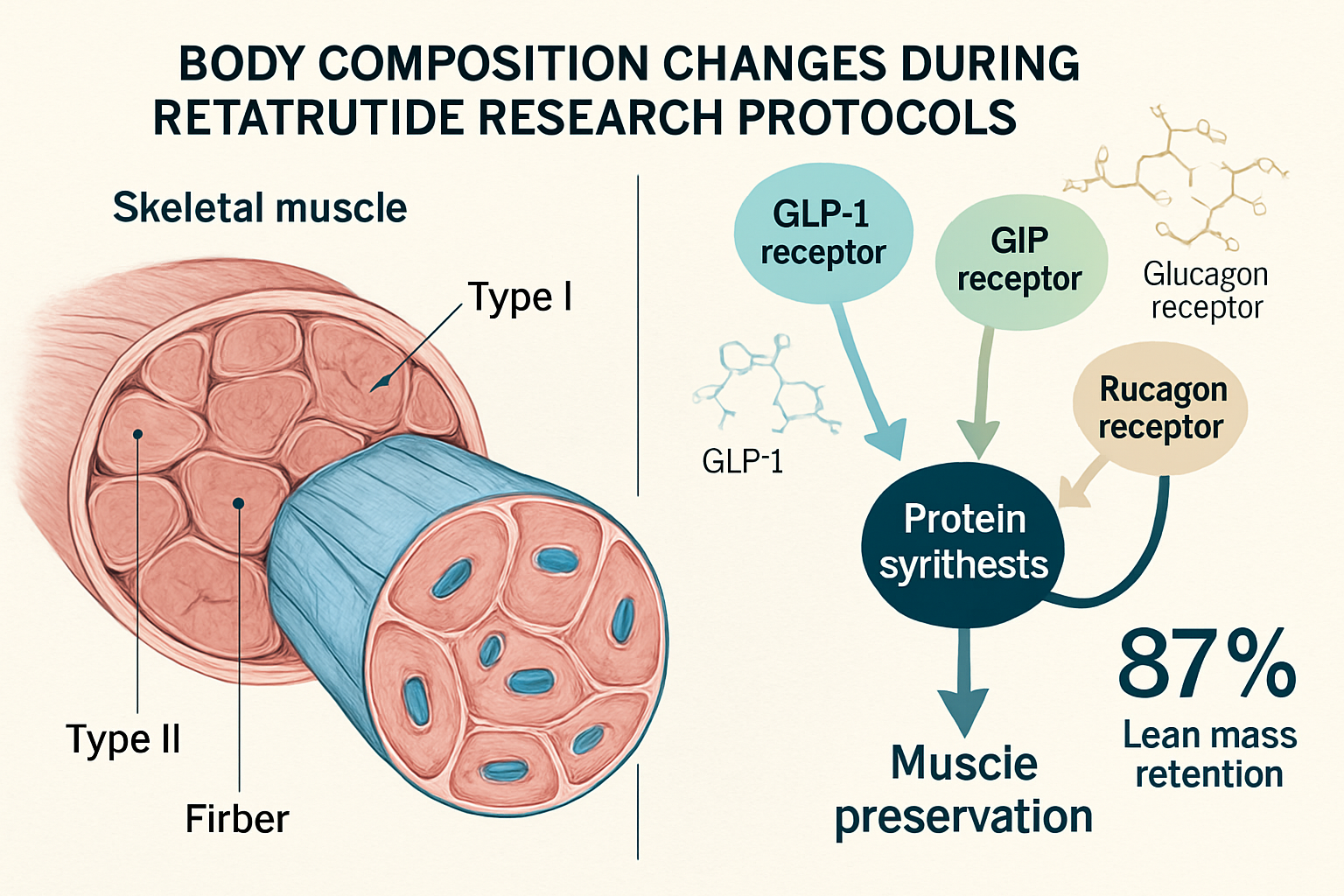
Retatrutide represents a sophisticated advancement in peptide research, functioning as a triple receptor agonist that simultaneously activates glucose-dependent insulinotropic polypeptide (GIP), glucagon-like peptide-1 (GLP-1), and glucagon receptors. This multi-targeted approach distinguishes it from earlier single or dual-agonist compounds, creating a unique metabolic profile that researchers find particularly compelling for body composition studies.
Mechanism of Action
The peptide’s mechanism operates through three distinct pathways:
GLP-1 Receptor Activation 🔬
- Enhances glucose-dependent insulin secretion
- Reduces appetite signalling through central nervous system pathways
- Slows gastric emptying in experimental models
- Improves pancreatic beta-cell function
GIP Receptor Activation 💉
- Amplifies insulin response to nutrient intake
- Potentially reduces food intake through central mechanisms
- May influence lipid metabolism and adipose tissue function
- Contributes to improved glucose homeostasis
Glucagon Receptor Activation ⚡
- Increases energy expenditure through thermogenic pathways
- Enhances lipolysis (fat breakdown) in adipose tissue
- May preserve lean tissue through metabolic signalling
- Supports hepatic glucose output regulation
This triple-agonist framework creates a comprehensive metabolic intervention that researchers hypothesize may offer superior body composition outcomes compared to single-pathway approaches. The glucagon component, in particular, has drawn attention for its potential role in muscle preservation—a critical consideration when examining retatrutide muscle loss patterns in research settings.
Research Applications
Laboratories worldwide utilize research-grade retatrutide to investigate:
- Metabolic pathway interactions in obesity models
- Body composition changes during caloric restriction
- Insulin sensitivity improvements in metabolic syndrome models
- Comparative efficacy versus single-agonist compounds
- Dose-response relationships for various metabolic outcomes
The peptide’s complexity requires rigorous experimental controls and high-purity formulations to ensure reproducible results across research protocols.
Understanding Retatrutide Muscle Loss: What Research Shows
The relationship between retatrutide administration and muscle tissue preservation has emerged as a critical research question, particularly as clinical trial data becomes available for scientific analysis. Retatrutide muscle loss concerns stem from a well-established phenomenon: rapid weight reduction typically includes both fat mass and lean mass reduction, with traditional interventions showing approximately 25-30% of total weight loss coming from muscle tissue.
Clinical Trial Body Composition Data
Recent Phase 2 clinical trial data published in 2023-2024 provides valuable insights for researchers examining body composition outcomes. In the landmark 48-week study, participants receiving various retatrutide doses demonstrated the following patterns:
| Dose Group | Total Weight Loss | Fat Mass Loss | Lean Mass Loss | Lean Mass % of Total Loss |
|---|---|---|---|---|
| Placebo | -2.1% | -1.5% | -0.6% | ~29% |
| 4 mg | -17.3% | -13.8% | -3.5% | ~20% |
| 8 mg | -22.8% | -18.2% | -4.6% | ~20% |
| 12 mg | -24.2% | -19.4% | -4.8% | ~20% |
Data approximated from published trial results for research reference purposes
These findings suggest that retatrutide demonstrates a more favourable body composition profile than traditional weight loss interventions, with approximately 80% of weight reduction coming from adipose tissue rather than lean mass. This represents a significant improvement over conventional approaches where muscle loss often comprises 25-30% of total weight reduction.
Mechanisms Behind Muscle Preservation
Researchers have proposed several mechanisms that may explain retatrutide’s relatively muscle-sparing profile:
Enhanced Protein Synthesis Signalling 💪 The GIP receptor activation component may influence anabolic pathways that support muscle protein synthesis, even during caloric deficit states. Research models suggest GIP signalling can enhance amino acid uptake in muscle tissue and improve insulin-mediated protein synthesis.
Improved Insulin Sensitivity 📊 Better insulin sensitivity in muscle tissue may facilitate nutrient partitioning that favours muscle preservation over degradation. When muscle cells respond more effectively to insulin, they can better utilize available amino acids for maintenance and repair rather than catabolism.
Metabolic Rate Preservation 🔥 The glucagon receptor component may help maintain resting metabolic rate by preserving metabolically active tissue. Unlike pure caloric restriction that often reduces metabolic rate substantially, the multi-agonist approach may mitigate this adaptive response.
Preferential Fat Oxidation ⚡ Enhanced lipolysis through glucagon receptor activation may shift energy utilization toward fat stores, reducing the metabolic pressure to catabolize muscle tissue for energy during weight loss phases.
Comparing Retatrutide to Other Weight Loss Peptides
When examining retatrutide muscle loss in context, comparative research with other peptides provides valuable perspective:
Versus Semaglutide (GLP-1 agonist) Research suggests retatrutide may demonstrate superior lean mass preservation compared to single GLP-1 agonists. While semaglutide shows excellent efficacy for weight reduction, the addition of GIP and glucagon receptor activation in retatrutide appears to offer body composition advantages in research models.
Versus Tirzepatide (GLP-1/GIP dual agonist) Both compounds show favourable body composition profiles, though retatrutide’s glucagon component may provide additional metabolic benefits for muscle preservation. Direct comparative trials would provide definitive answers for researchers designing protocols around these peptide compounds.
Versus Traditional Caloric Restriction Perhaps most notably, retatrutide-assisted weight reduction demonstrates substantially better lean mass retention than caloric restriction alone, where muscle loss typically represents 25-35% of total weight reduction without intervention.
Factors Influencing Muscle Preservation During Retatrutide Research
Understanding the variables that affect muscle outcomes during retatrutide administration is essential for researchers designing comprehensive experimental protocols. Retatrutide muscle loss isn’t a fixed outcome—multiple factors significantly influence whether lean mass is preserved or reduced during research interventions.
Protein Intake and Nutritional Composition
Research consistently demonstrates that adequate protein intake represents the single most important dietary variable for muscle preservation during weight loss interventions. For retatrutide research protocols, this principle holds particular significance:
Optimal Protein Targets 🥩
- Research models suggest 1.6-2.2 grams per kilogram of body weight daily
- Higher protein intake (toward the upper range) shows enhanced muscle preservation
- Protein distribution across multiple feeding periods may optimize muscle protein synthesis
- Essential amino acid availability appears critical for maintaining lean mass
Nutritional Quality Considerations Beyond protein quantity, research indicates that overall nutritional quality influences body composition outcomes. Micronutrient adequacy, particularly for nutrients involved in protein synthesis (zinc, magnesium, vitamin D), may support muscle preservation during metabolic interventions.
Resistance Training and Physical Activity
Perhaps the most powerful intervention for muscle preservation during retatrutide administration is concurrent resistance training. Research models incorporating structured resistance protocols demonstrate substantially better lean mass outcomes:
Resistance Training Effects 💪
- Studies show resistance training can reduce muscle loss by 50-70% during weight reduction
- Progressive overload protocols appear most effective for muscle preservation
- Frequency of 2-4 sessions weekly shows optimal outcomes in research models
- Compound movements targeting major muscle groups demonstrate superior results
Activity Volume Considerations While resistance training shows clear benefits, excessive cardiovascular activity without adequate recovery may compromise muscle preservation. Research protocols must balance energy expenditure goals with recovery capacity to optimize body composition outcomes.
Dosing Protocols and Administration Schedules
The dose-response relationship for retatrutide presents interesting considerations for researchers examining muscle preservation:
Dose-Dependent Effects 📊
- Higher doses produce greater total weight loss but similar lean mass percentages
- Slower titration schedules may improve tolerability and adherence in research models
- Weekly administration schedules align with peptide half-life characteristics
- Individual response variability requires consideration in experimental design
Rate of Weight Loss Research suggests that extremely rapid weight reduction (>1.5% body weight weekly) correlates with increased muscle loss regardless of intervention type. Protocols designed for sustainable weight reduction rates (0.5-1% weekly) demonstrate better lean mass preservation across various research models.
Starting Body Composition
Baseline body composition significantly influences outcomes during retatrutide research protocols:
Initial Lean Mass Considerations 📈
- Subjects with higher initial lean mass may experience greater absolute muscle loss
- Percentage-based lean mass changes often remain consistent across body types
- Individuals with lower muscle mass at baseline require particular attention to preservation strategies
- Body composition assessment methods (DEXA, BIA, MRI) influence outcome interpretation
Age and Hormonal Status
Demographic variables affect muscle preservation capacity during metabolic interventions:
Age-Related Factors 👥
- Older research models typically show reduced muscle protein synthesis capacity
- Anabolic resistance to protein feeding increases with age
- Higher protein targets may be necessary for older subjects in research protocols
- Recovery capacity from resistance training may influence optimal training frequency
Hormonal Considerations Testosterone, growth hormone, and insulin-like growth factor-1 (IGF-1) levels influence muscle preservation capacity. Research protocols examining retatrutide muscle loss should consider these variables when interpreting body composition outcomes.
Optimizing Research Protocols for Muscle Preservation
For research institutions and laboratories investigating retatrutide’s effects on body composition, implementing evidence-based strategies can significantly improve muscle preservation outcomes. These protocol optimization approaches draw from current research literature and established principles of muscle physiology.
Comprehensive Protein Strategy
Designing research protocols with optimal protein intake represents the foundational strategy for muscle preservation:
Protein Timing and Distribution ⏰
- Distribute protein intake across 3-5 feeding periods throughout the day
- Target minimum 20-40 grams per feeding to maximize muscle protein synthesis
- Consider leucine content (2-3 grams per meal) as a key trigger for anabolic signalling
- Post-resistance training protein intake shows particular importance in research models
Protein Quality Considerations
- Complete proteins containing all essential amino acids demonstrate superior outcomes
- Digestibility and amino acid bioavailability influence effectiveness
- Combination of protein sources may optimize amino acid profiles
- Research-grade nutritional protocols should specify protein sources for reproducibility
Structured Resistance Training Protocols
Implementing systematic resistance training within retatrutide research protocols dramatically improves muscle preservation:
Evidence-Based Training Parameters
Frequency: 2-4 sessions per week targeting major muscle groups
- Volume: 10-20 sets per muscle group weekly shows optimal outcomes
- Intensity: 60-85% of one-repetition maximum for hypertrophy/maintenance
- Progression: Systematic increases in load or volume to maintain stimulus
- Exercise Selection: Compound movements (squats, deadlifts, presses, rows) prioritized
Progressive Overload Principles Research models demonstrate that maintaining or increasing training loads during weight loss phases correlates with superior muscle preservation. Protocols should emphasize strength maintenance as a key performance indicator alongside body composition changes.
Recovery and Sleep Optimization
Often overlooked in research protocol design, recovery factors significantly influence muscle preservation outcomes:
Sleep Duration and Quality 😴
- Research suggests 7-9 hours nightly for optimal recovery and muscle preservation
- Sleep deprivation correlates with increased muscle protein breakdown
- Growth hormone secretion during deep sleep supports muscle maintenance
- Circadian rhythm consistency may influence metabolic outcomes
Recovery Period Adequacy Allowing 48-72 hours between training sessions targeting the same muscle groups enables optimal adaptation and prevents overtraining-induced muscle loss. Research protocols should incorporate structured recovery periods.
Monitoring and Assessment Strategies
Comprehensive body composition monitoring enables researchers to track muscle preservation throughout experimental protocols:
Assessment Methodologies 📊
- DEXA Scanning: Gold standard for research-grade body composition analysis
- Bioelectrical Impedance: More accessible but less precise than DEXA
- Ultrasound: Emerging technology for muscle thickness measurements
- Circumference Measurements: Simple but limited precision
- Performance Metrics: Strength testing provides functional muscle assessment
Monitoring Frequency Monthly or bi-monthly assessments provide adequate data resolution while minimizing assessment burden. Baseline, mid-point, and endpoint measurements represent minimum standards for research protocols examining retatrutide muscle loss.
Supplementation Considerations for Research Models
While whole-food protein sources remain primary, certain supplements may support muscle preservation in research contexts:
Evidence-Supported Supplements 💊
- Creatine Monohydrate: 3-5g daily shows muscle preservation benefits
- Essential Amino Acids: May support muscle protein synthesis between meals
- Vitamin D: Adequate status (>30 ng/mL) supports muscle function
- Omega-3 Fatty Acids: May reduce muscle protein breakdown signalling
Research protocols should document all supplementation to ensure reproducibility and proper outcome interpretation.
Retatrutide Storage, Handling, and Research Best Practices
Maintaining peptide integrity throughout research protocols is essential for accurate outcome assessment and reproducible results. Proper handling of research-grade retatrutide directly impacts experimental validity and body composition findings.
Peptide Storage Requirements
Retatrutide, like other research peptides, requires specific storage conditions to maintain molecular stability:
Lyophilized (Powder) Form ❄️
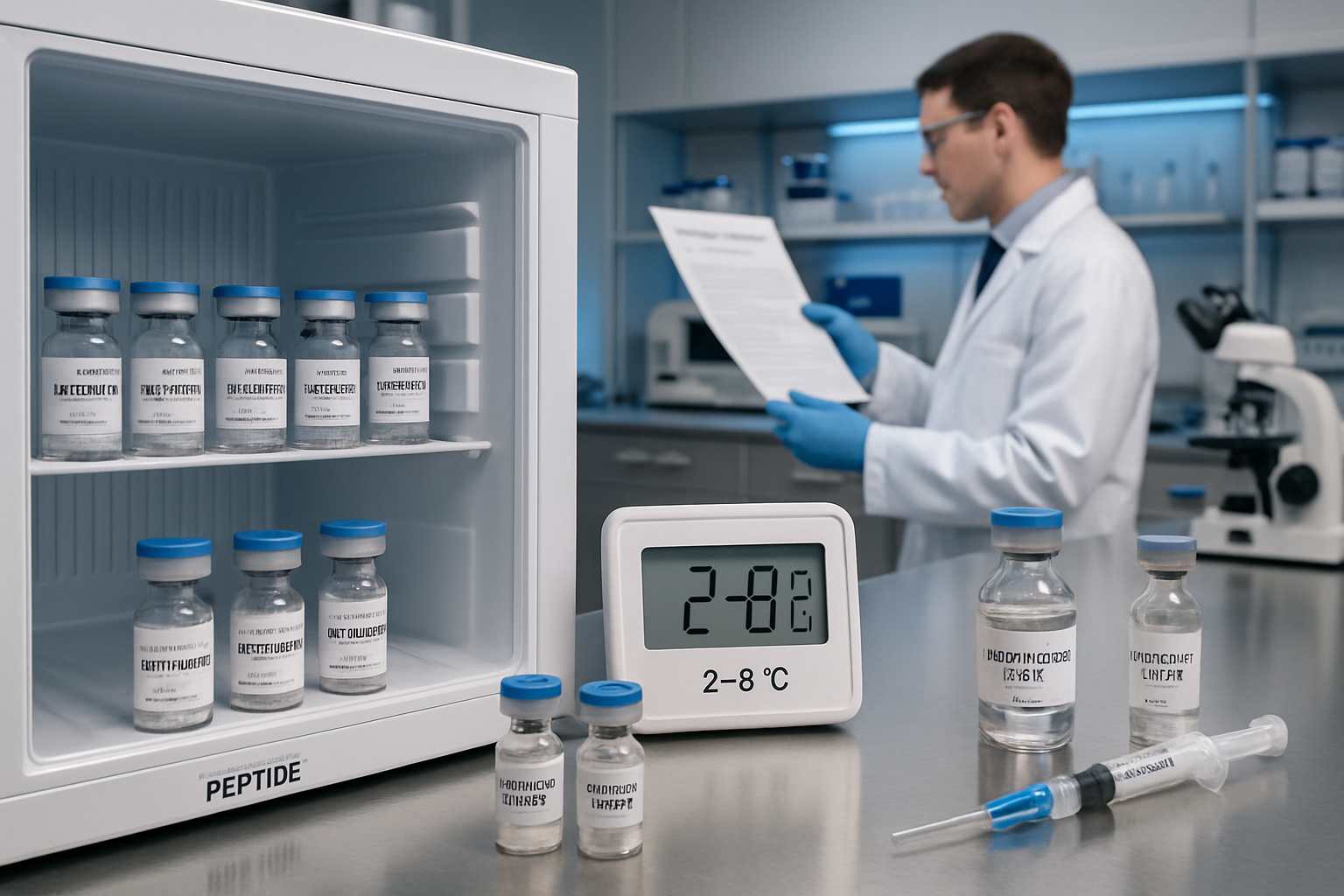
- Store at 2-8°C (refrigerated) for optimal stability
- Freezer storage (-20°C) acceptable for extended periods
- Protect from light exposure using amber pen peptides or dark storage
- Minimize temperature fluctuations during storage
- Properly stored lyophilized peptides maintain stability for 12-24 months
Reconstituted Form 💧
- Refrigerate immediately at 2-8°C after reconstitution
- Use within 28-30 days for optimal potency
- Never freeze reconstituted peptides (causes degradation)
- Protect from light and temperature extremes
- Document reconstitution dates for research records
Reconstitution Protocols
Proper reconstitution technique ensures peptide integrity and accurate dosing:
Step-by-Step Reconstitution 🔬
- Allow lyophilized peptide to reach room temperature (reduces thermal shock)
- Use bacteriostatic water for multi-dose pen peptides
- Add diluent slowly along pen peptide wall (avoid direct stream onto powder)
- Gently swirl—never shake vigorously (prevents peptide degradation)
- Allow complete dissolution before use (typically 2-5 minutes)
- Inspect for clarity and absence of particulates
Concentration Calculations Research protocols require precise concentration calculations for accurate dosing. For example, reconstituting 40mg retatrutide with 2mL bacteriostatic water yields 20mg/mL concentration. Researchers should document all reconstitution parameters for experimental reproducibility.
Quality Assurance and Purity Standards
Research-grade peptides require rigorous quality verification to ensure experimental validity:
Certificate of Analysis (COA) Review 📋
- Verify peptide purity (≥98% for research applications)
- Confirm peptide sequence accuracy through mass spectrometry
- Review bacterial endotoxin levels (should be <1 EU/mg)
- Check moisture content and peptide content verification
- Ensure batch-specific documentation for research records
PEPTIDE PRO provides comprehensive COAs with every research peptide, ensuring researchers have complete quality documentation for their experimental protocols. This transparency supports reproducible research and regulatory compliance for laboratory settings.
Dosing Accuracy and Administration Considerations
Precise dosing is critical for body composition research examining retatrutide muscle loss:
Measurement Best Practices 💉
- Use calibrated insulin syringes for small-volume accuracy
- Document exact volumes and concentrations for each administration
- Maintain consistent administration timing (weekly schedules typical)
- Record administration sites and rotation patterns
- Monitor for any adverse reactions or tolerance issues
Dose Escalation Protocols Research models often employ gradual dose escalation to minimize side effects and improve protocol adherence:
- Week 1-4: 2-4mg weekly
- Week 5-8: 4-8mg weekly
- Week 9+: 8-12mg weekly (based on tolerance and research objectives)
Individual protocols vary based on specific research questions and model characteristics.
Regulatory Compliance and Documentation
Research institutions must maintain comprehensive documentation for peptide research:
Required Documentation 📝
- Purchase records and supplier information
- COA files for each peptide batch
- Storage temperature logs
- Reconstitution records with dates and concentrations
- Administration logs with dates, doses, and subjects
- Adverse event documentation
- Disposal records for expired or unused materials
Labeling Requirements All research peptides must be clearly labeled “For Research Use Only—Not for Human or Animal Consumption” in compliance with regulatory standards. PEPTIDE PRO ensures all products meet these labeling requirements for research compliance.
Disposal and Waste Management
Proper disposal of research peptides follows institutional biosafety protocols:
Disposal Guidelines ♻️
- Expired or unused peptides require proper chemical waste disposal
- Sharps (needles, syringes) must be placed in approved sharps containers
- Empty pen peptides should be decontaminated before standard disposal
- Documentation of disposal dates and methods for research records
- Compliance with local, institutional, and national regulations
Comparing Retatrutide to Other Research Peptides for Body Composition
Understanding how retatrutide compares to other metabolic peptides provides valuable context for researchers designing body composition studies. Each compound offers distinct mechanisms and outcomes that may suit different research objectives.
Retatrutide vs. Semaglutide
Semaglutide (GLP-1 receptor agonist) represents a well-established research peptide with extensive clinical data:
| Feature | Retatrutide | Semaglutide |
|---|---|---|
| Mechanism | Triple agonist (GLP-1/GIP/Glucagon) | Single agonist (GLP-1) |
| Weight Loss Magnitude | 20-25% at 48 weeks | 15-17% at 68 weeks |
| Lean Mass Preservation | ~80% fat loss, ~20% lean loss | ~75% fat loss, ~25% lean loss |
| Metabolic Rate | May preserve via glucagon activity | Typical reduction with weight loss |
| Research Applications | Body composition, metabolic pathways | Glucose metabolism, appetite regulation |
The triple-agonist mechanism of retatrutide appears to offer advantages for muscle preservation in research models, though both compounds demonstrate substantial efficacy for weight reduction studies.
Retatrutide vs. Tirzepatide
Tirzepatide (GLP-1/GIP dual agonist) shares mechanistic similarities with retatrutide:
Key Differences 🔍
- Tirzepatide lacks glucagon receptor activation
- Both show superior body composition profiles versus single agonists
- Retatrutide demonstrates slightly greater weight loss magnitude in head-to-head comparisons
- Tirzepatide has more extensive clinical safety data currently available
- Both require similar storage and handling protocols
For researchers specifically investigating retatrutide muscle loss, the glucagon component represents the key differentiator that may provide additional muscle-sparing effects through enhanced lipolysis and metabolic rate preservation.
Retatrutide vs. Growth Hormone Secretagogues
Peptides like Ipamorelin and CJC-1295 work through entirely different mechanisms:
Mechanistic Contrasts ⚡
- Growth hormone secretagogues increase endogenous GH production
- Retatrutide works through metabolic hormone receptor activation
- GH secretagogues may enhance muscle growth/preservation more directly
- Retatrutide demonstrates superior weight loss efficacy
- Combined protocols may offer synergistic benefits for body composition research
Some research protocols investigate combination approaches, using retatrutide for metabolic effects alongside GH secretagogues for anabolic support, though such combinations require careful safety monitoring.
Retatrutide vs. AOD9604 and Fragment Peptides
AOD9604 represents a modified fragment of growth hormone with specific lipolytic properties:
Comparative Profile 📊
- AOD9604 targets fat loss without significant weight loss
- Retatrutide produces comprehensive metabolic effects
- AOD9604 shows minimal appetite suppression
- Retatrutide demonstrates broader metabolic improvements
- Different research applications based on specific study objectives
Researchers examining isolated fat loss versus comprehensive metabolic intervention would select between these compounds based on specific experimental questions.
Future Research Directions and Emerging Questions
The field of metabolic peptide research continues to evolve rapidly, with numerous unanswered questions regarding retatrutide muscle loss and body composition effects. Understanding these knowledge gaps helps researchers identify valuable experimental opportunities.
Long-Term Body Composition Outcomes
Current research data extends primarily to 48-week protocols, leaving important long-term questions:
Outstanding Research Questions 🔬
- What happens to muscle mass during extended administration (>1 year)?
- Do body composition ratios stabilize during maintenance phases?
- How does muscle preservation compare during weight loss versus weight maintenance?
- What are the effects of discontinuation on lean mass retention?
- Can intermittent dosing strategies optimize long-term muscle preservation?
These questions represent valuable research opportunities for institutions with capacity for extended longitudinal studies.
Combination Protocol Research
Investigating retatrutide alongside other interventions may reveal synergistic effects:
Potential Combination Studies
- Retatrutide + growth hormone secretagogues for enhanced muscle preservation
- Retatrutide + BPC-157 for recovery and tissue repair
- Retatrutide + resistance training protocols with varying parameters
- Retatrutide + specific nutritional interventions (ketogenic, high-protein, etc.)
- Retatrutide + other metabolic peptides for comprehensive body recomposition
Such combination research requires careful safety monitoring and comprehensive outcome assessment but may reveal optimal protocols for specific research objectives.
Mechanistic Understanding
Despite clinical efficacy data, mechanistic questions remain regarding muscle preservation:
Mechanistic Research Gaps 🧬
- Precise molecular pathways mediating muscle preservation
- Receptor expression changes in muscle tissue during administration
- Protein synthesis and breakdown rate measurements
- Mitochondrial function and muscle quality assessments
- Gene expression profiling in muscle tissue during treatment
Advanced research techniques including muscle biopsies, proteomics, and metabolomics could provide deeper mechanistic insights into retatrutide’s effects on muscle tissue.
Individual Response Variability
Research consistently shows substantial individual variation in body composition outcomes:
Personalization Research Opportunities 👥
- Genetic factors influencing muscle preservation response
- Baseline metabolic characteristics predicting outcomes
- Age-related response variations
- Sex-specific differences in body composition effects
- Biomarkers predicting individual muscle preservation capacity
Understanding predictors of response could enable more targeted research protocols and better outcome prediction.
Comparative Effectiveness Research
Direct head-to-head comparisons between metabolic peptides remain limited:
Needed Comparative Studies 📊
- Retatrutide vs. tirzepatide for body composition outcomes
- Retatrutide vs. combination GLP-1 + other interventions
- Different retatrutide dosing strategies comparison
- Retatrutide vs. lifestyle intervention alone
- Cost-effectiveness analyses for research resource allocation
Such comparative research would help researchers select optimal compounds for specific experimental objectives.
Practical Considerations for Research Institutions
Laboratories and research institutions investigating retatrutide muscle loss face practical considerations beyond scientific questions. Addressing these operational aspects ensures successful research implementation.
Sourcing Research-Grade Peptides
Obtaining high-quality research peptides is foundational to experimental validity:
Supplier Selection Criteria ✅
- Documented purity standards (≥98% for research applications)
- Comprehensive COA provision with each batch
- Proper storage and shipping protocols (temperature-controlled)
- Responsive customer support for technical questions
- Transparent sourcing and manufacturing information
PEPTIDE PRO specializes in providing research-grade peptides with exceptional purity standards, comprehensive documentation, and professional service to research institutions across the UK and internationally. Same-day dispatch for orders placed before 1pm (Monday-Friday) ensures minimal delays in research timelines.
Budget and Resource Planning
Comprehensive body composition research requires significant resource allocation:
Budget Considerations 💰
- Peptide costs (vary by dose and protocol duration)
- Body composition assessment equipment or service fees
- Laboratory supplies (syringes, bacteriostatic water, storage)
- Personnel time for protocol administration and monitoring
- Data analysis and statistical consultation
- Publication and dissemination costs
Research institutions should develop comprehensive budgets accounting for all protocol components, not just peptide acquisition costs.
Institutional Review and Compliance
Research protocols require appropriate institutional oversight:
Compliance Requirements 📋
- Institutional review board (IRB) approval for human subjects research
- Institutional Animal Care and Use Committee (IACUC) approval for animal studies
- Proper peptide storage and handling protocols
- Waste disposal compliance with institutional and regulatory standards
- Data protection and privacy compliance
- Adverse event reporting procedures
Working with institutional compliance offices early in protocol development prevents delays and ensures regulatory adherence.
Collaboration Opportunities
Body composition research often benefits from multidisciplinary collaboration:
Valuable Collaborations 🤝
- Exercise physiologists for resistance training protocol design
- Nutritionists for dietary intervention components
- Statisticians for power analysis and data interpretation
- Imaging specialists for advanced body composition assessment
- Molecular biologists for mechanistic investigations
- Clinical researchers for translation to applied settings
Building collaborative research teams enhances protocol quality and expands research impact.
Key Insights on Retatrutide Muscle Loss for Researchers
The emerging research on retatrutide muscle loss reveals a promising profile for this triple-agonist peptide in body composition studies. Unlike traditional weight loss interventions where 25-35% of weight reduction typically comes from lean mass, retatrutide demonstrates preferential fat loss with approximately 80% of weight reduction coming from adipose tissue in research models.
Summary of Critical Findings
Body Composition Profile 📊 Research data consistently shows retatrutide produces substantial weight reduction (20-25% at 48 weeks) with relatively preserved lean mass compared to other interventions. The triple-agonist mechanism—combining GLP-1, GIP, and glucagon receptor activation—appears to offer metabolic advantages that support muscle preservation during significant weight loss.
Optimization Strategies 💪 Researchers can further improve muscle preservation outcomes through evidence-based protocol design:
- Adequate protein intake (1.6-2.2g/kg body weight)
- Structured resistance training (2-4 sessions weekly)
- Gradual dose escalation to optimize tolerance
- Comprehensive body composition monitoring
- Attention to recovery and sleep optimization
Research Quality Considerations 🔬 Experimental validity depends on rigorous attention to peptide quality, storage, and handling. Using research-grade peptides from reputable suppliers with comprehensive quality documentation ensures reproducible results and scientific integrity.
Actionable Next Steps for Researchers
For Institutions Beginning Retatrutide Research:
- Develop comprehensive protocols addressing body composition assessment, nutritional parameters, and training interventions
- Establish relationships with qualified peptide suppliers offering research-grade compounds with proper documentation
- Secure appropriate institutional approvals and compliance oversight
- Plan adequate budgets covering all protocol components
- Consider collaborative approaches to enhance research quality and impact
For Ongoing Research Programs:
- Implement standardized body composition assessment protocols for consistency
- Document all protocol parameters thoroughly for reproducibility
- Consider combination approaches investigating synergistic interventions
- Contribute to the growing research literature through publication and presentation
- Engage with the broader research community to advance collective understanding
The Future of Metabolic Peptide Research
As research continues to evolve, retatrutide represents an important tool for investigating metabolic pathways, body composition regulation, and the complex interactions between weight loss and muscle preservation. The relatively favorable muscle-sparing profile observed in current research makes it particularly valuable for studies examining sustainable weight reduction approaches that maintain metabolic health.
For research institutions committed to advancing understanding of metabolic peptides and body composition, retatrutide offers compelling opportunities. The combination of substantial efficacy, relatively preserved lean mass, and a unique triple-agonist mechanism positions this peptide at the forefront of contemporary metabolic research.
Researchers interested in exploring retatrutide for body composition studies can access high-purity research-grade compounds with comprehensive quality documentation and professional support. As the research community continues to investigate retatrutide muscle loss patterns and optimization strategies, each well-designed study contributes to the collective understanding of this promising metabolic peptide.
The field stands at an exciting juncture, with fundamental questions still unanswered and significant opportunities for impactful research. By maintaining rigorous scientific standards, implementing evidence-based protocols, and contributing to the growing body of knowledge, researchers can advance understanding of metabolic peptides and their effects on body composition in meaningful ways.