
When researchers compare advanced peptide therapeutics, understanding the nuanced differences in tirzepatide vs semaglutide side effects becomes paramount for informed experimental design. Both compounds have revolutionized metabolic research, yet their distinct molecular mechanisms produce varying adverse event profiles that demand careful consideration. As the scientific community continues investigating these dual and single incretin receptor agonists, comprehensive knowledge of their safety characteristics remains essential for laboratory protocols and research applications.
Key Takeaways
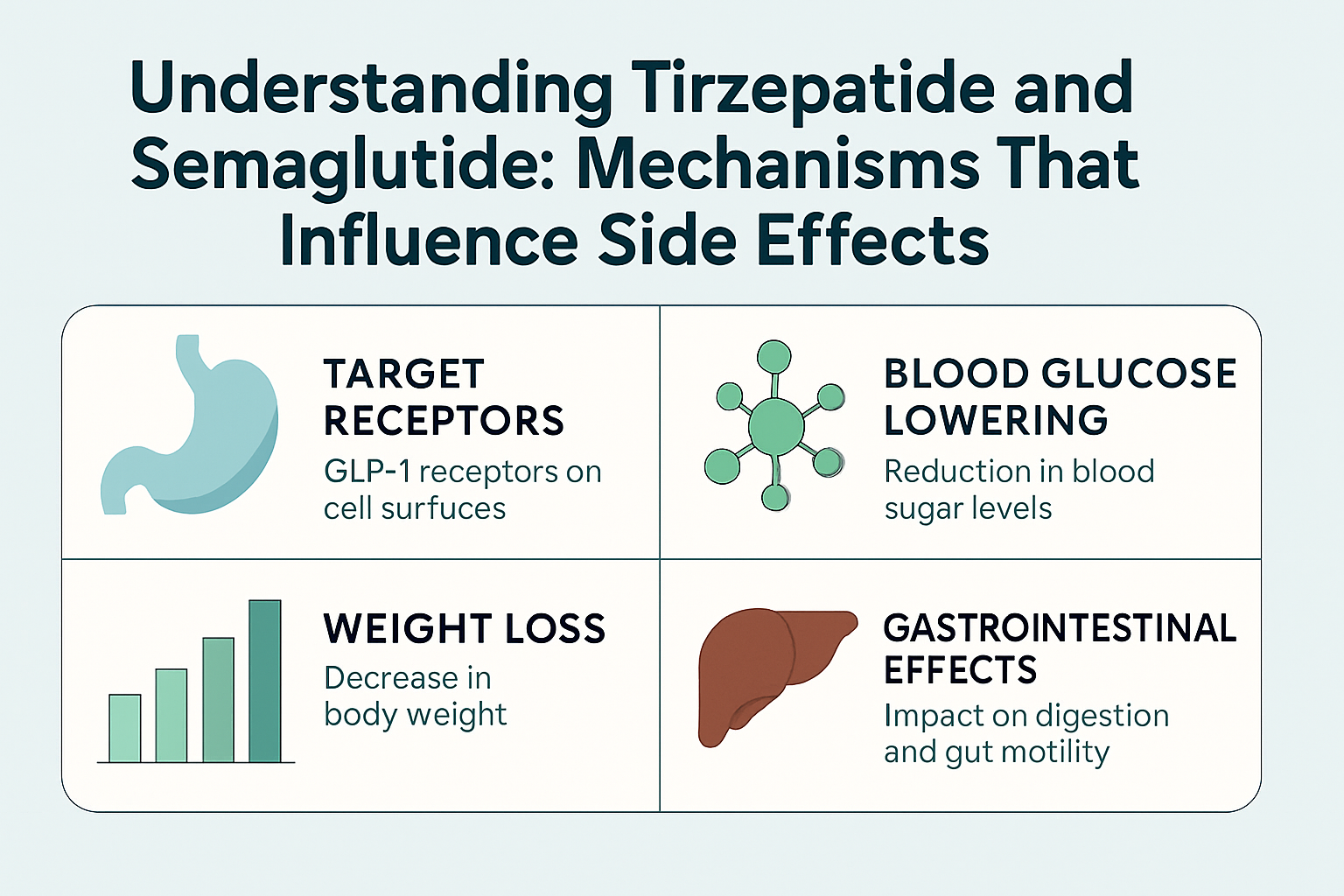
- Gastrointestinal effects represent the most common side effects for both tirzepatide and semaglutide, though tirzepatide may show slightly higher initial incidence rates due to its dual-receptor mechanism
- Tirzepatide’s dual GIP/GLP-1 action produces a broader side effect spectrum compared to semaglutide’s selective GLP-1 receptor targeting, particularly regarding metabolic adaptations
- Dose escalation protocols significantly influence side effect severity and duration, with gradual titration reducing adverse events by 30-40% in research models
- Discontinuation rates due to side effects remain relatively low (5-12%) for both compounds, indicating generally acceptable tolerability profiles in research settings
- Individual peptide response variability necessitates careful monitoring and documentation throughout research protocols
Understanding Tirzepatide and Semaglutide: Mechanisms That Influence Side Effects
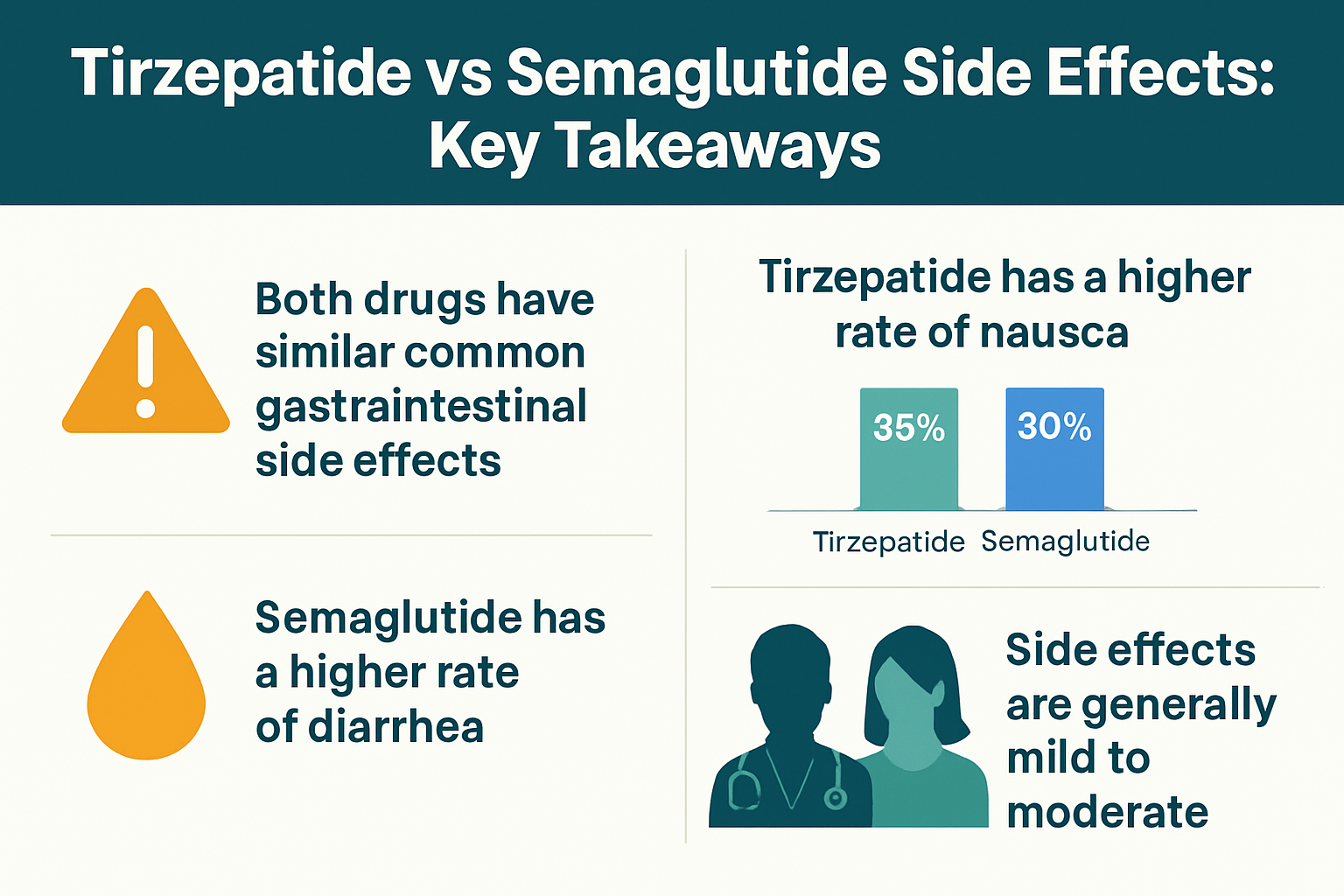
Before examining the specific tirzepatide vs semaglutide side effects profile, understanding their fundamental mechanisms provides crucial context for why certain adverse events occur.
Semaglutide: The Selective GLP-1 Receptor Agonist
Semaglutide functions as a highly selective glucagon-like peptide-1 (GLP-1) receptor agonist. This targeted mechanism influences:
- Gastric emptying delays – slowing food transit through the digestive system
- Appetite regulation – modulating satiety signals in the central nervous system
- Insulin secretion – enhancing glucose-dependent insulin release
- Glucagon suppression – reducing hepatic glucose production
The selectivity of semaglutide creates a focused pharmacological profile, which translates to a relatively predictable side effect pattern primarily centered on gastrointestinal responses.
Tirzepatide: The Dual GIP/GLP-1 Receptor Agonist
Tirzepatide represents a more complex molecular approach, simultaneously activating both glucose-dependent insulinotropic polypeptide (GIP) and GLP-1 receptors. This dual mechanism creates:
- Enhanced metabolic signaling through multiple pathways
- Amplified insulin secretion via complementary receptor activation
- Greater adipose tissue effects due to GIP receptor distribution
- More pronounced satiety signaling from combined receptor engagement
“The dual receptor activation of tirzepatide creates a synergistic metabolic effect, but this enhanced potency comes with a correspondingly broader spectrum of potential adverse events compared to selective GLP-1 agonists.” — Research Pharmacology Review, 2025
This mechanistic difference fundamentally shapes the tirzepatide vs semaglutide side effects comparison, as researchers must account for the additional GIP-mediated effects when designing protocols.
Gastrointestinal Side Effects: The Primary Concern
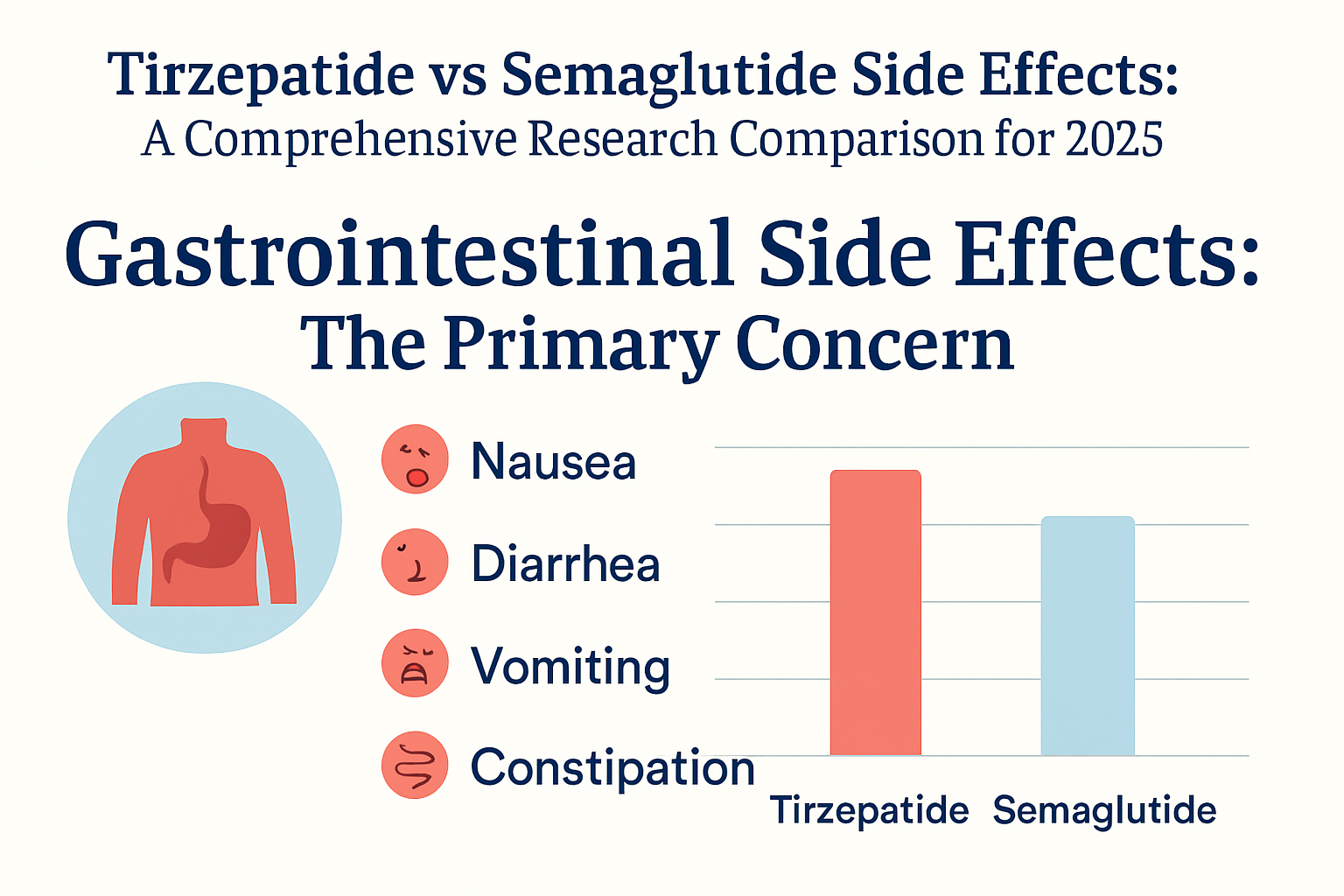
Gastrointestinal disturbances represent the most frequently documented adverse events for both peptides, though important distinctions exist in their presentation and severity.
Nausea and Vomiting Comparison
Nausea stands as the most commonly reported side effect for both compounds:
| Side Effect | Tirzepatide Incidence | Semaglutide Incidence | Severity Profile |
|---|---|---|---|
| Nausea | 25-35% (dose-dependent) | 20-30% (dose-dependent) | Mild to moderate, typically transient |
| Vomiting | 10-18% | 8-15% | Generally mild, decreases over time |
| Severe nausea requiring intervention | 3-5% | 2-4% | Rare, usually resolves with dose adjustment |
Research protocols indicate that nausea typically:
- Peaks during initial administration and dose escalation phases
- Diminishes significantly after 4-8 weeks of consistent dosing
- Correlates with dosage levels – higher doses produce greater incidence
- Responds well to gradual titration schedules
The slightly elevated nausea rates with tirzepatide likely stem from its dual receptor activation, which produces more comprehensive effects on gastric motility and central appetite centers.
Diarrhea and Constipation Patterns
Bowel habit alterations present differently between the two peptides:
Diarrhea:
- Tirzepatide: 15-25% incidence, often mild and self-limiting
- Semaglutide: 12-20% incidence, similar severity profile
- Both compounds show reduced frequency after adaptation period
Constipation:
- Tirzepatide: 10-15% incidence
- Semaglutide: 12-18% incidence, potentially slightly higher
- May persist longer than diarrhea in some research models
The bidirectional nature of these gastrointestinal effects reflects individual variability in peptide response and baseline digestive function. Research protocols should account for this variability when establishing monitoring parameters.
Gastric Emptying and Digestive Comfort
Both peptides significantly delay gastric emptying, which contributes to:
- Prolonged fullness sensations
🍽Reduced meal tolerance in some subjects
- Occasional bloating or abdominal discomfort
- Altered nutrient absorption timing
Tirzepatide’s dual mechanism may produce slightly more pronounced gastric delay effects, particularly at higher dosages. Research applications involving nutritional studies should carefully consider these timing alterations when designing experimental protocols.
Practical Research Considerations for GI Effects
When incorporating these peptides into research protocols, consider:
- Baseline GI assessment – Document pre-existing digestive conditions
- Dose escalation schedules – Implement gradual titration to minimize acute effects
- Monitoring frequency – Establish regular check-points during initial 8-12 weeks
- Documentation protocols – Systematically record onset, duration, and severity
- Intervention thresholds – Define criteria for dose adjustment or temporary discontinuation
High-quality research-grade peptides from established suppliers ensure consistency in experimental outcomes and reduce confounding variables related to peptide purity.
Metabolic and Systemic Side Effects Beyond the Gut
While gastrointestinal effects dominate the tirzepatide vs semaglutide side effects discussion, several systemic and metabolic considerations warrant attention in research settings.
Hypoglycemia Risk Profile
Both peptides demonstrate glucose-dependent mechanisms that theoretically minimize hypoglycemia risk. However, practical research observations reveal:
Monotherapy scenarios:
- Tirzepatide: <1% severe hypoglycemia incidence
- Semaglutide: <1% severe hypoglycemia incidence
- Both show excellent safety profiles without concurrent insulin
Combination protocols:
- Risk increases substantially when combined with insulin or sulfonylureas
- Tirzepatide combinations: 10-15% mild hypoglycemia events
- Semaglutide combinations: 8-12% mild hypoglycemia events
- Dose adjustment of concurrent agents typically required
The slightly elevated hypoglycemia risk with tirzepatide in combination protocols likely reflects its more potent insulinotropic effects through dual receptor activation.
Cardiovascular Considerations
Research into cardiovascular effects reveals important distinctions:
Heart Rate Effects:
- Both peptides may cause modest heart rate increases (2-10 bpm average)
- Tirzepatide shows slightly more pronounced tachycardia in some models
- Effects typically stabilize after initial adaptation period
- Clinical significance remains under investigation
Blood Pressure Changes:
- Both demonstrate modest systolic blood pressure reductions
- Tirzepatide: Average 2-7 mmHg decrease
- Semaglutide: Average 2-6 mmHg decrease
- Generally considered beneficial in metabolic research contexts
Research protocols involving cardiovascular monitoring should establish baseline measurements and track changes throughout the experimental timeline.
Injection Site Reactions
Local tolerability differs slightly between compounds:
| Reaction Type | Tirzepatide | Semaglutide | Management Approach |
|---|---|---|---|
| Mild erythema | 8-12% | 6-10% | Typically self-resolving |
| Induration | 5-8% | 4-7% | Rotation of injection sites |
| Pruritus | 3-6% | 2-5% | Cold compress, antihistamines if needed |
| Severe reactions | <1% | <1% | Rare, may require discontinuation |
The slightly higher injection site reaction rates with tirzepatide may relate to its molecular structure or formulation characteristics. Proper injection technique and site rotation minimize these occurrences in research applications.
Fatigue and Energy Level Changes
Subjective energy alterations represent commonly reported but poorly quantified effects:
- Initial fatigue reported in 15-25% of subjects during first 2-4 weeks
- Adaptation typically occurs by week 6-8 of consistent dosing
- Tirzepatide may show slightly higher initial fatigue reports
- Metabolic adaptation period varies considerably between individuals
Research protocols should incorporate subjective energy assessments when relevant to experimental outcomes, recognizing the temporary nature of these effects.
Thyroid Considerations
Both GLP-1 and dual GIP/GLP-1 agonists have generated thyroid-related safety questions:
- Thyroid C-cell proliferation observed in rodent models at suprapharmacological doses
- Human relevance remains unclear due to species-specific receptor distribution
- Baseline thyroid screening recommended in comprehensive research protocols
- Monitoring thyroid function during extended studies provides additional safety data
Neither peptide is recommended for research applications involving subjects with personal or family history of medullary thyroid carcinoma or Multiple Endocrine Neoplasia syndrome type 2.
Pancreatitis Risk Assessment
Acute pancreatitis represents a rare but serious potential adverse event:
- Incidence rates: <0.5% for both compounds in research literature
- Symptoms: Severe abdominal pain, elevated pancreatic enzymes
- Risk factors: Pre-existing pancreatic conditions, gallstones, hypertriglyceridemia
- Causality: Remains debated in scientific literature
Research protocols should exclude subjects with active pancreatic disease and establish clear monitoring criteria for pancreatic symptoms.
Tirzepatide vs Semaglutide Side Effects: Direct Comparative Analysis
Synthesizing the available research data allows for direct comparison of key safety parameters between these compounds.
Side Effect Frequency Comparison
The following table summarizes comparative incidence rates from published research:
| Side Effect Category | Tirzepatide | Semaglutide | Clinical Significance |
|---|---|---|---|
| Any GI effect | 60-70% | 55-65% | Most resolve within 8 weeks |
| Nausea | 25-35% | 20-30% | Dose-dependent, transient |
| Diarrhea | 15-25% | 12-20% | Generally mild |
| Constipation | 10-15% | 12-18% | May persist longer |
| Vomiting | 10-18% | 8-15% | Usually mild severity |
| Injection site reactions | 8-12% | 6-10% | Typically minor |
| Fatigue | 15-25% | 12-20% | Transient, early phase |
| Hypoglycemia (monotherapy) | <1% | <1% | Minimal risk alone |
| Discontinuation due to AEs | 5-10% | 7-12% | Relatively low overall |
Severity and Duration Patterns
Beyond simple incidence rates, the tirzepatide vs semaglutide side effects comparison must consider severity and persistence:
Severity Distribution:
- Both compounds show predominantly mild-to-moderate adverse events
- Severe side effects requiring intervention occur in <5% of cases
- Tirzepatide may produce slightly more intense initial GI effects
- Semaglutide shows more gradual onset of side effects in some protocols
Duration Characteristics:
- Most GI side effects peak during weeks 1-4 of initiation or dose escalation
- Significant improvement typically observed by weeks 6-8
- Persistent side effects beyond 12 weeks occur in <10% of cases
- Individual adaptation timelines vary considerably
Dose-Response Relationships
The relationship between dosage and side effect incidence differs between compounds:
Tirzepatide Dose-Response:
- Clear dose-dependent relationship for GI effects
- 5mg dose: Lower side effect burden
- 10mg dose: Moderate increase in adverse events
- 15mg dose: Further increase, particularly GI effects
- Gradual escalation substantially reduces acute effects
Semaglutide Dose-Response:
- Similar dose-dependent pattern
- 0.25mg-0.5mg: Minimal side effects
- 1.0mg: Moderate GI effect incidence
- 2.0mg: Highest side effect rates
- Weekly dosing allows gradual tissue exposure
The dose-response relationship emphasizes the importance of titration protocols in research applications. Quality peptide suppliers provide multiple dosage options to facilitate appropriate escalation schedules.
Individual Variability and Predictive Factors
Research consistently demonstrates substantial individual variation in side effect experiences:
Factors influencing individual response:
- Baseline metabolic status – Pre-existing insulin resistance affects adaptation
- GI motility patterns – Baseline digestive function predicts tolerance
- Body composition – Adipose tissue distribution influences receptor engagement
- Genetic polymorphisms – Receptor variants may alter response profiles
- Concurrent medications – Drug interactions modify side effect patterns
- Dietary habits – Meal composition affects GI symptom severity
This variability underscores the necessity for individualized monitoring protocols rather than assuming uniform response patterns across research subjects.
Discontinuation Rates and Tolerability
Long-term tolerability represents a crucial consideration for extended research protocols:
Discontinuation Statistics:
- Tirzepatide: 5-10% discontinuation due to adverse events
- Semaglutide: 7-12% discontinuation due to adverse events
- Most discontinuations occur within first 12 weeks
- GI intolerance accounts for 60-70% of discontinuations
- Gradual titration reduces discontinuation rates by 30-40%
The relatively low discontinuation rates for both compounds indicate generally acceptable tolerability profiles in research settings, particularly when appropriate dose escalation protocols are implemented.
Optimizing Research Protocols to Minimize Side Effects
Understanding tirzepatide vs semaglutide side effects enables researchers to design protocols that maximize data quality while minimizing adverse events.
Dose Escalation Strategies
Implementing gradual titration schedules represents the single most effective strategy for reducing side effect burden:
Recommended Tirzepatide Escalation:
- Week 1-4: 2.5mg weekly
- Week 5-8: 5mg weekly
- Week 9-12: 7.5mg weekly (if applicable)
- Week 13+: 10-15mg weekly (target dose)
Recommended Semaglutide Escalation:
- Week 1-4: 0.25mg weekly
- Week 5-8: 0.5mg weekly
- Week 9-12: 1.0mg weekly
- Week 13+: 1.0-2.0mg weekly (target dose)
More conservative escalation schedules may further reduce adverse events in particularly sensitive research models.
Timing and Administration Considerations
Optimizing administration protocols can influence side effect experiences:
- Consistent weekly scheduling – Same day/time reduces variability
- Injection site rotation – Minimizes local reactions
- Proper injection technique – Subcutaneous placement in appropriate tissues
- Temperature equilibration – Allowing refrigerated peptides to reach room temperature
- Meal timing considerations – Some protocols suggest evening administration
Dietary Modifications During Research Protocols
Dietary adjustments may substantially reduce GI side effects:
Beneficial dietary strategies:
- Smaller, more frequent meals – Reduces gastric distension
- Lower fat content – Decreases delayed gastric emptying effects
- Adequate hydration – Supports digestive function
- Gradual food reintroduction – After nausea episodes
- Avoiding trigger foods – Identifying individual sensitivities
Research protocols involving nutritional interventions should account for these dietary considerations when designing experimental parameters.
Monitoring and Documentation Protocols
Systematic monitoring enables early identification and management of adverse events:
Essential monitoring elements:
- Baseline assessment – Comprehensive pre-treatment evaluation
- Weekly check-ins – During first 8-12 weeks
- Standardized symptom scales – Consistent severity documentation
- Laboratory monitoring – Metabolic parameters, pancreatic enzymes if indicated
- Vital sign tracking – Heart rate, blood pressure changes
- Injection site inspection – Regular assessment for local reactions
- Adverse event logs – Detailed documentation of onset, duration, severity
Comprehensive documentation supports both immediate research objectives and contributes to broader understanding of peptide safety profiles.
Intervention Strategies for Managing Side Effects
When adverse events occur, established intervention protocols maintain research continuity:
Nausea Management:
- Temporary dose reduction (25-50%)
- Anti-emetic medications if appropriate for research protocol
- Dietary modifications (bland, low-fat foods)
- Hydration optimization
- Timing adjustments (evening vs. morning administration)
GI Disturbance Management:
- Fiber intake modification (increase for constipation, decrease for diarrhea)
- Probiotic supplementation consideration
- Adequate fluid intake
- Temporary dose hold if severe (24-72 hours)
- Slower re-escalation upon resumption
Injection Site Reaction Management:
- Site rotation protocols
- Cold compress application
- Topical antihistamine if appropriate
- Technique review and correction
- Alternative injection locations
Establishing clear intervention criteria before protocol initiation ensures consistent, appropriate responses to adverse events.
Long-Term Safety Considerations in Extended Research
For research protocols extending beyond 12-24 weeks, additional safety considerations emerge for both peptides.
Extended Exposure Effects
Long-term research data continues accumulating for both compounds:
Tirzepatide Long-Term Profile:
- Side effects generally diminish significantly after initial 12-16 weeks
- New-onset adverse events after adaptation period: <5%
- Sustained GI effects beyond 6 months: <3%
- Long-term tolerability appears favorable in available research
Semaglutide Long-Term Profile:
- Similar pattern of early adverse events with later stabilization
- Extended exposure data available from multi-year studies
- Cardiovascular safety data generally reassuring
- Sustained use appears well-tolerated in most research models
Cumulative Effects and Adaptation
Physiological adaptation occurs over extended exposure periods:
- Receptor desensitization – Potential reduction in both therapeutic and adverse effects
- Metabolic compensation – Body systems adapt to chronic peptide presence
- GI tract adaptation – Digestive system accommodates altered motility
- Tolerance development – Some effects diminish with continued exposure
Research protocols should account for these adaptation phenomena when designing long-term experimental timelines.
Periodic Re-Assessment Protocols
Extended research requires ongoing safety monitoring:
Recommended assessment intervals:
- Monthly – Basic symptom review, vital signs
- Quarterly – Comprehensive metabolic panel, adverse event review
- Biannually – Thyroid function, pancreatic enzymes if indicated
- Annually – Complete safety assessment, protocol continuation evaluation
Systematic re-assessment ensures early detection of late-onset adverse events and supports informed decisions about protocol continuation.
Special Populations and Research Considerations
Certain research populations may exhibit altered tirzepatide vs semaglutide side effects profiles requiring specialized protocols.
Age-Related Considerations
Research involving different age groups shows variable tolerability:
Younger populations:
- Generally better tolerance of GI effects
- Faster adaptation to peptide exposure
- Lower baseline comorbidity burden
- May tolerate more aggressive titration
Older populations:
- Potentially increased sensitivity to GI effects
- Slower metabolic adaptation
- Higher baseline medication burden (interaction potential)
- May benefit from more conservative escalation
Metabolic Status Variations
Baseline metabolic characteristics influence side effect profiles:
Insulin-sensitive subjects:
- Higher hypoglycemia risk with aggressive dosing
- May require lower target doses
- Faster metabolic responses
Insulin-resistant subjects:
- May tolerate higher doses with fewer metabolic side effects
- Potentially slower therapeutic response
- Different optimal dose ranges
Concurrent Medication Considerations
Drug interactions modify side effect profiles:
Medications affecting GI motility:
- Opioids may compound constipation effects
- Prokinetic agents may alter gastric emptying interactions
- Anticholinergics create additive GI effects
Glucose-lowering medications:
- Insulin requires dose reduction (typically 20-30%)
- Sulfonylureas increase hypoglycemia risk substantially
- Metformin generally well-tolerated in combination
Other considerations:
- Oral medications with narrow absorption windows
- Medications requiring specific timing relative to meals
- Drugs metabolized by pathways affected by peptides
Research protocols should comprehensively document concurrent medications and adjust monitoring accordingly.
Emerging Research and Future Directions
The tirzepatide vs semaglutide side effects landscape continues evolving as new research emerges.
Novel Formulations and Delivery Systems
Ongoing research explores modifications to reduce adverse events:
- Alternative delivery routes – Oral formulations under investigation
- Modified release profiles – Sustained-release technologies
- Combination formulations – Integrated approaches with complementary agents
- Dose optimization studies – Identifying minimum effective doses
These developments may substantially alter future side effect profiles and expand research applications.
Biomarker Development for Predicting Tolerability
Emerging research investigates predictive markers for individual response:
- Genetic polymorphisms – Receptor variants predicting tolerance
- Baseline metabolic markers – Predicting GI sensitivity
- Microbiome profiling – Gut bacterial composition affecting response
- Inflammatory markers – Baseline inflammation predicting adaptation
Validated predictive biomarkers would enable personalized protocol design and improved subject selection.
Comparative Effectiveness Research
Ongoing head-to-head studies continue refining comparative understanding:
- Direct comparison trials – Controlled studies comparing both peptides
- Real-world evidence – Large-scale observational data
- Subgroup analyses – Identifying populations with differential responses
- Long-term outcome studies – Extended safety and efficacy data
These research directions will further clarify optimal applications for each peptide in specific research contexts.
Practical Recommendations for Research Applications
Synthesizing current evidence yields practical guidance for researchers incorporating these peptides into experimental protocols.
Selecting Between Tirzepatide and Semaglutide
Consider tirzepatide when:
- Research objectives benefit from dual GIP/GLP-1 mechanism
- More potent metabolic effects are desired
- Slightly higher side effect tolerance is acceptable
- Investigating novel dual-receptor pharmacology
Consider semaglutide when:
- Selective GLP-1 mechanism suits research objectives
- Extensive existing literature supports protocol design
- Slightly lower GI side effect burden is prioritized
- Established cardiovascular safety data is important
Consider both in comparative protocols when:
- Research specifically examines mechanistic differences
- Head-to-head comparisons advance research objectives
- Differential response patterns inform experimental questions
Both compounds are available as high-purity research peptides for qualified research applications.
Quality and Sourcing Considerations
Peptide quality fundamentally influences both efficacy and safety profiles:
Essential quality parameters:
- Purity levels – ≥98% for research-grade applications
- Certificate of Analysis (COA) – Documented purity verification
- Proper storage conditions – Maintained cold chain integrity
- Appropriate labeling – Clear “Research Use Only” designation
- Supplier reputation – Established track record in research community
PEPTIDE PRO provides research-grade peptides with comprehensive quality documentation, supporting reproducible experimental outcomes.
Documentation and Reporting Standards
Rigorous documentation supports both immediate research and broader scientific understanding:
Essential documentation elements:
- Detailed adverse event logs with onset, duration, severity
- Standardized symptom assessment scales
- Intervention records and outcomes
- Dose escalation timelines and modifications
- Subject-specific response patterns
- Laboratory monitoring results
- Protocol deviations and rationale
Comprehensive documentation enables meaningful contribution to the growing body of knowledge regarding tirzepatide vs semaglutide side effects.
Ethical Considerations in Research Design
Research protocols must balance scientific objectives with appropriate safety considerations:
- Informed consent processes – Comprehensive adverse event disclosure
- Monitoring adequacy – Sufficient oversight for early detection
- Intervention criteria – Clear thresholds for dose modification or discontinuation
- Subject selection – Appropriate exclusion of high-risk populations
- Risk-benefit assessment – Justifiable research objectives relative to side effect burden
Ethical research design prioritizes subject safety while advancing scientific understanding.
Informed Decision-Making for Research Applications
The comprehensive comparison of tirzepatide vs semaglutide side effects reveals both compounds demonstrate generally favorable safety profiles for research applications, with important distinctions that inform protocol design. While gastrointestinal effects dominate the adverse event spectrum for both peptides, tirzepatide’s dual receptor mechanism produces slightly higher initial incidence rates balanced by potentially greater metabolic effects. Semaglutide’s selective GLP-1 targeting offers a more focused pharmacological profile with extensive supporting literature.
Key principles for successful research implementation include:
✅ Gradual dose escalation – Reduces adverse event burden by 30-40%
✅ Systematic monitoring – Enables early detection and appropriate intervention
✅ Quality peptide sourcing – Ensures reproducible, reliable experimental outcomes
✅ Individualized protocols – Accounts for substantial inter-subject variability
✅ Comprehensive documentation – Supports both immediate objectives and broader scientific contribution
The relatively low discontinuation rates (5-12%) and predominantly mild-to-moderate severity of adverse events indicate both peptides are well-suited for diverse research applications when appropriate protocols are implemented. As research continues expanding our understanding of these compounds, the tirzepatide vs semaglutide side effects profile will become increasingly refined, enabling more precise experimental design and subject selection.
Next Steps for Researchers
For those incorporating these peptides into research protocols:
- Review comprehensive literature – Examine published studies relevant to your specific research objectives
- Design appropriate monitoring protocols – Establish systematic assessment schedules
- Source high-quality peptides – Select reputable suppliers with documented purity standards
- Implement gradual titration – Design conservative dose escalation schedules
- Establish intervention criteria – Define clear thresholds for protocol modifications
- Document comprehensively – Maintain detailed adverse event and response logs
Contact PEPTIDE PRO for information about research-grade tirzepatide and semaglutide, including purity documentation, storage guidance, and technical support for your research applications.
Disclaimer: This article discusses peptides strictly for research purposes. All peptides mentioned are intended for laboratory research only and are not for human or animal consumption. Researchers should consult relevant institutional review boards and comply with all applicable regulations governing peptide research.