
Imagine starting a promising therapeutic journey with tirzepatide, only to experience debilitating nausea, uncomfortable bloating, and disappointing results—all because of preventable dietary choices. The foods consumed while using tirzepatide can dramatically influence both the efficacy of the peptide and the comfort of the experience. Understanding foods to avoid on tirzepatide (sample meal plan) isn’t just about preventing discomfort; it’s about maximising the therapeutic potential of this powerful GLP-1 receptor agonist while maintaining quality of life throughout treatment protocols.
Tirzepatide, a dual glucose-dependent insulinotropic polypeptide (GIP) and glucagon-like peptide-1 (GLP-1) receptor agonist, has emerged as a significant compound in metabolic research. Its mechanism involves slowing gastric emptying, reducing appetite, and improving glycemic control—all processes that interact intimately with dietary intake [1]. The wrong food choices can amplify unwanted effects, while strategic nutrition can enhance outcomes and minimize discomfort.
Key Takeaways
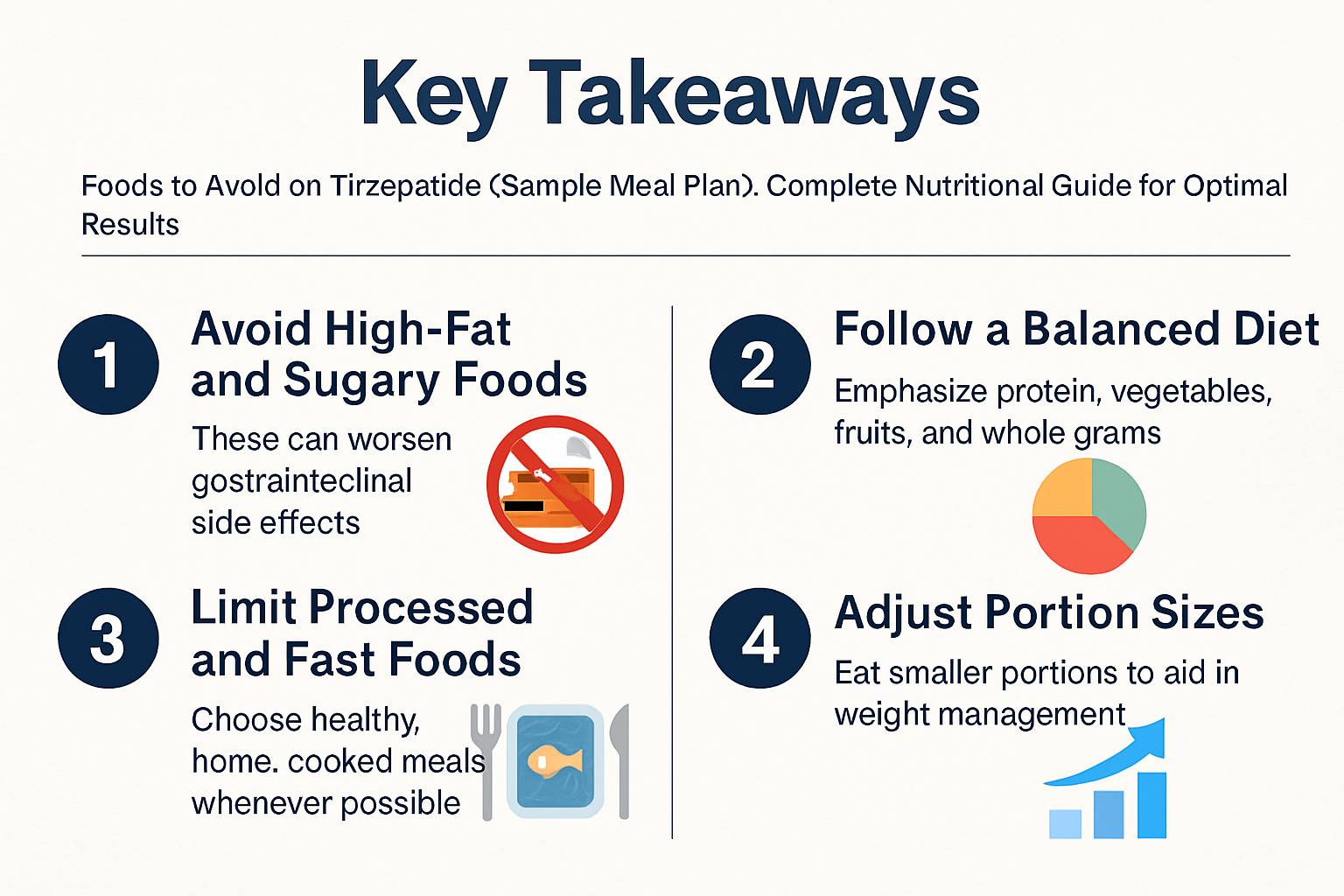
- High-fat and fried foods significantly exacerbate gastrointestinal side effects due to tirzepatide’s gastric emptying delay
- Refined sugars and processed carbohydrates can counteract glucose regulation benefits and trigger uncomfortable blood sugar fluctuations
- Strategic meal planning with lean proteins, complex carbohydrates, and fiber-rich vegetables optimizes tirzepatide efficacy while minimizing adverse effects
- Portion control and meal timing become critically important when gastric emptying is pharmacologically slowed
- Individual tolerance varies—monitoring personal responses and adjusting accordingly ensures the best outcomes during tirzepatide protocols
Understanding Tirzepatide’s Mechanism and Dietary Interactions
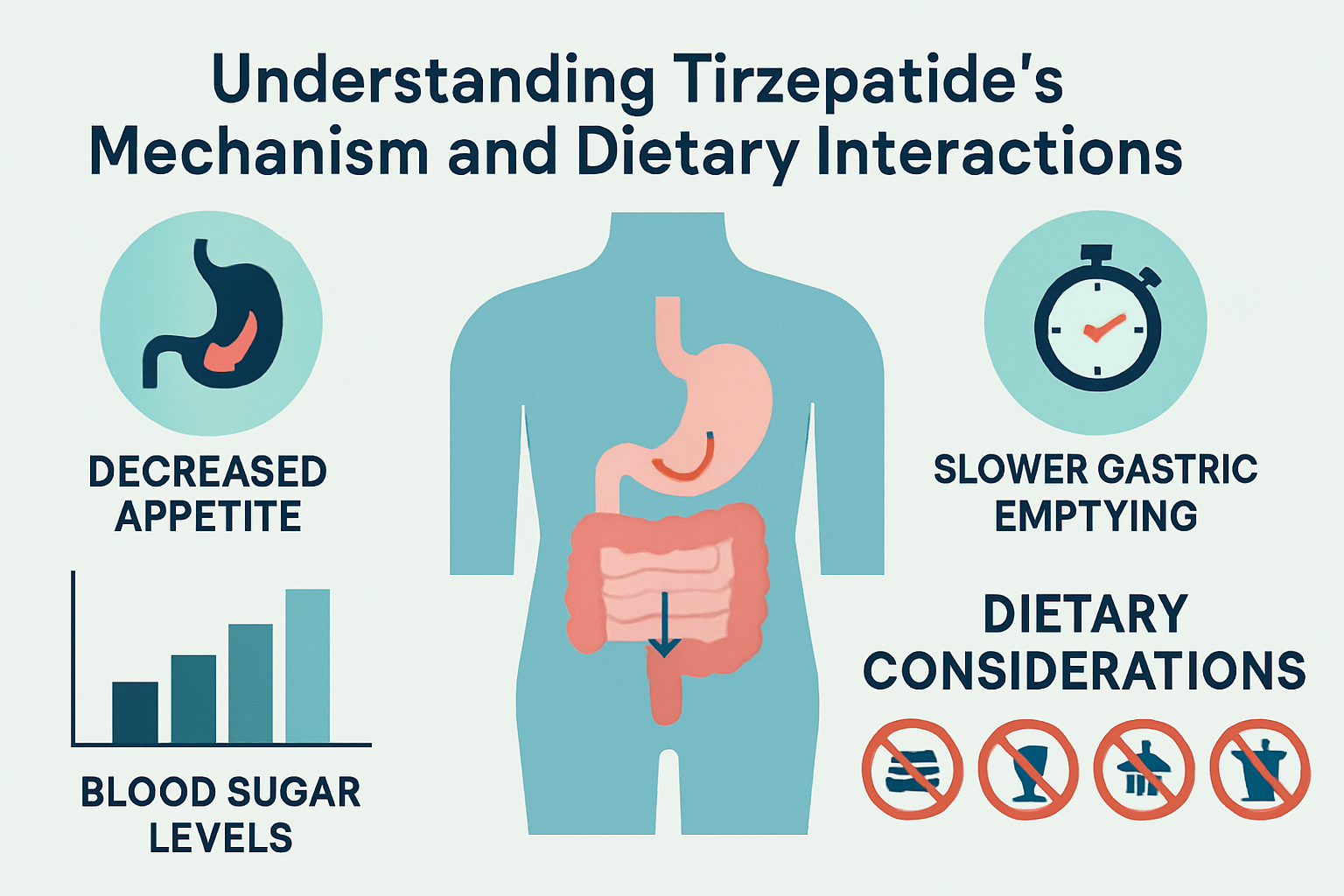
Tirzepatide functions through dual receptor activation, creating a unique metabolic environment that directly impacts how the body processes food. The compound binds to both GIP and GLP-1 receptors, triggering a cascade of physiological responses including delayed gastric emptying, enhanced insulin secretion, reduced glucagon release, and decreased appetite signaling [2].
Gastric emptying delay represents one of the most significant dietary considerations. When food remains in the stomach longer than usual, certain types of meals can cause prolonged discomfort, nausea, and even reflux symptoms. High-fat foods naturally slow gastric emptying even without pharmaceutical intervention—combining them with tirzepatide creates a compounding effect that many find intolerable.
The appetite suppression effects also warrant dietary adjustment. Researchers have observed that individuals using tirzepatide often experience early satiety, meaning they feel full after consuming smaller portions than previously typical [3]. This physiological change necessitates nutrient-dense food choices to ensure adequate nutrition despite reduced intake volumes.
The Digestive Timeline Under Tirzepatide
Normal gastric emptying typically occurs within 2-4 hours after eating. Under tirzepatide influence, this timeline can extend to 6-8 hours or longer, depending on meal composition. Foods that would ordinarily pass through the digestive system without issue may linger, fermenting and causing gas, bloating, and discomfort when emptying is significantly delayed.
“The interaction between tirzepatide’s pharmacodynamics and dietary composition represents a critical variable in both therapeutic outcomes and subject comfort during research protocols.” — Clinical Peptide Research Guidelines
For those exploring tirzepatide research applications, understanding these mechanisms provides the foundation for strategic meal planning that supports research objectives while maintaining subject well-being.
Foods to Avoid on Tirzepatide: Comprehensive Category Breakdown
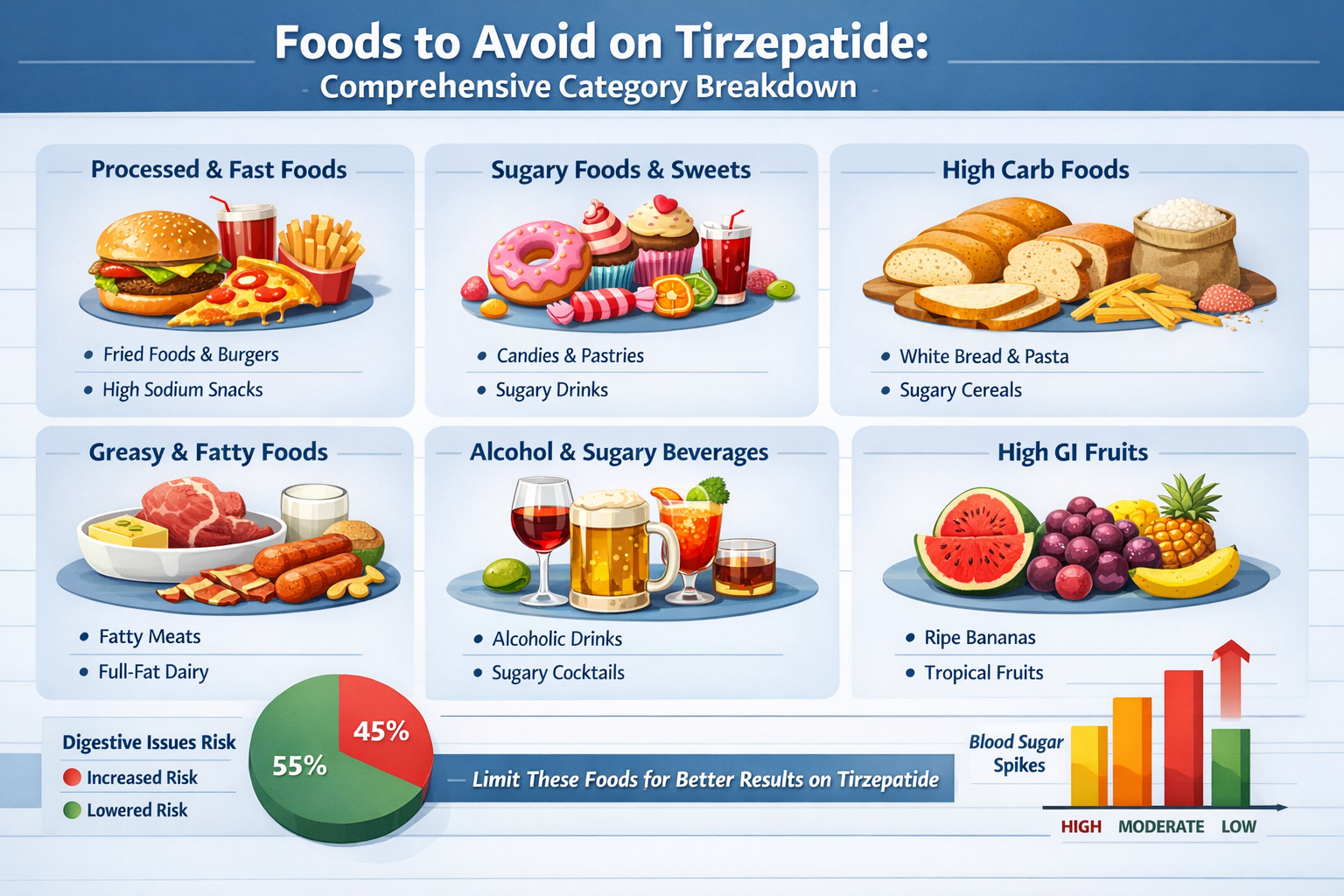
Creating an effective foods to avoid on tirzepatide (sample meal plan) requires understanding specific food categories that commonly trigger adverse responses. The following sections detail problematic foods and explain the physiological rationale behind each recommendation.
High-Fat and Fried Foods ❌
Why to avoid: Fat requires significantly longer digestion time than proteins or carbohydrates. When combined with tirzepatide’s gastric emptying delay, high-fat meals can remain in the stomach for extended periods, causing nausea, reflux, and severe discomfort.
Specific foods to eliminate or minimize:
- Deep-fried foods (french fries, fried chicken, tempura, doughnuts)
- Fatty cuts of meat (ribeye steak, pork belly, lamb chops, duck)
- Full-fat dairy products (whole milk, heavy cream, full-fat cheese, ice cream)
- Processed meats high in fat (salami, pepperoni, sausages, bacon)
- Fast food items (burgers, pizza with extra cheese, loaded nachos)
- Creamy sauces and dressings (alfredo sauce, ranch dressing, mayonnaise-based dips)
- Pastries and baked goods (croissants, danishes, pie crusts made with butter/lard)
Research observation: Studies examining GLP-1 receptor agonists have documented that subjects consuming meals with >30g of fat frequently report significantly increased nausea scores compared to those consuming lower-fat alternatives [4].
Refined Sugars and Simple Carbohydrates 🍰
Why to avoid: While tirzepatide improves glucose regulation, consuming refined sugars can create uncomfortable blood sugar fluctuations. Additionally, simple carbohydrates digest rapidly but may sit in the delayed-emptying stomach, potentially fermenting and causing gas and bloating.
Specific foods to limit or avoid:
- Candy and confections (gummy bears, chocolate bars, hard candies, caramels)
- Sweetened beverages (regular soda, sweet tea, fruit juice, energy drinks)
- Baked desserts (cakes, cookies, brownies, muffins with added sugar)
- Breakfast cereals with high sugar content (frosted flakes, honey-coated varieties)
- White bread and refined grain products (white sandwich bread, bagels, crackers)
- Sweetened yogurts and dairy desserts (flavored yogurt with >10g sugar, puddings)
- Syrups and sweeteners (pancake syrup, honey in large quantities, agave nectar)
The glycemic impact of these foods can trigger insulin spikes followed by reactive hypoglycemia, creating energy crashes and increased hunger—counterproductive when using tirzepatide for metabolic research.
Processed and Ultra-Processed Foods 🏭
Why to avoid: Ultra-processed foods typically combine multiple problematic elements: high fat content, refined carbohydrates, excessive sodium, and artificial additives. These combinations prove particularly challenging for delayed gastric systems.
Specific categories to minimize:
- Packaged snack foods (chips, cheese puffs, crackers with hydrogenated oils)
- Instant meals (ramen noodles, microwave dinners, boxed mac and cheese)
- Processed breakfast items (toaster pastries, breakfast sandwiches, frozen waffles)
- Deli meats and processed proteins (bologna, hot dogs, chicken nuggets)
- Packaged baked goods with extended shelf life (snack cakes, packaged cookies)
- Frozen pizza and convenience foods
- Highly processed protein bars with >5g added sugar
These products often contain emulsifiers, stabilizers, and preservatives that may interact unpredictably with altered digestive timing, potentially exacerbating gastrointestinal symptoms.
Carbonated and Alcoholic Beverages 🥤
Why to avoid: Carbonation introduces gas into an already-delayed digestive system, frequently causing bloating and discomfort. Alcohol presents multiple challenges: it irritates the gastric lining, can cause blood sugar fluctuations, and adds empty calories without nutritional benefit.
Beverages to avoid or strictly limit:
- All carbonated soft drinks (regular and diet varieties)
- Sparkling water (may be tolerable for some, but often problematic)
- Beer and carbonated alcoholic beverages
- Wine and spirits (particularly sweet cocktails)
- Energy drinks (combining carbonation, sugar, and stimulants)
- Carbonated protein drinks
Special consideration: Alcohol metabolism may be altered when gastric emptying is delayed, potentially leading to unpredictable absorption rates and effects. Many research protocols exclude alcohol entirely during tirzepatide administration.
Spicy and Highly Seasoned Foods
️Why to avoid: Capsaicin and other pungent compounds can irritate the gastric lining. When food remains in the stomach longer, this irritation becomes prolonged, potentially causing heartburn, reflux, and general discomfort.
Foods that commonly trigger issues:
- Hot peppers and pepper-based sauces (jalapeños, habaneros, hot sauce)
- Heavily spiced ethnic dishes (very spicy curries, szechuan preparations)
- Acidic foods in large quantities (tomato-based sauces, citrus in excess)
- Dishes with excessive black pepper, chili powder, or cayenne
- Pickled and fermented foods with high acidity (kimchi, sauerkraut in large amounts)
Individual tolerance varies significantly—some individuals tolerate moderate spice without issue, while others experience severe discomfort from even mild seasoning.
High-Fiber Foods (Strategic Timing Required) 🥦
Important nuance: Fiber is generally beneficial and recommended, but timing and quantity matter significantly with tirzepatide. Excessive fiber combined with delayed gastric emptying can cause severe bloating and discomfort.
Approach with caution:
- Legumes in large portions (beans, lentils, chickpeas—start with small amounts)
- Cruciferous vegetables (broccoli, cauliflower, Brussels sprouts, cabbage)
- Whole grains in excessive quantities (more than 1 cup cooked at once)
- High-fiber supplements (psyllium husk, fiber powders—may cause obstruction)
- Dried fruits (prunes, figs, dates—concentrated fiber and sugar)
Strategic approach: Rather than avoiding fiber entirely, introduce it gradually and consume it in moderate portions spread throughout the day. Fiber remains essential for digestive health, but quantity and timing require adjustment.
Foods to Emphasize: Building Your Tirzepatide-Compatible Meal Plan
Understanding what to avoid represents only half the nutritional equation. Equally important is identifying foods that support tirzepatide’s mechanisms while minimizing discomfort and maximizing nutritional adequacy.
Lean Proteins ✅
Why they work: Protein provides satiety, supports muscle maintenance, and digests more comfortably than high-fat options when gastric emptying is delayed.
Optimal protein sources:
- Skinless poultry (chicken breast, turkey breast, lean ground turkey)
- White fish (cod, tilapia, halibut, sea bass)
- Shellfish (shrimp, scallops, crab—watch for added butter)
- Egg whites or whole eggs prepared without added fat
- Low-fat Greek yogurt (plain, add fresh fruit for flavor)
- Cottage cheese (low-fat or fat-free varieties)
- Tofu and tempeh (plain or lightly seasoned)
- Lean cuts of beef (sirloin, tenderloin, 93% lean ground beef—limited portions)
Preparation methods: Grilling, baking, poaching, steaming, or air-frying without added oils produces the most compatible results.
Complex Carbohydrates 🌾
Why they work: Complex carbohydrates provide sustained energy without the blood sugar spikes associated with refined options, and they typically contain beneficial fiber in moderate amounts.
Recommended sources:
- Oatmeal (steel-cut or rolled oats, not instant flavored varieties)
- Quinoa and other ancient grains (farro, bulgur, barley in moderate portions)
- Sweet potatoes and yams (baked or roasted without added fat)
- Brown rice (in 1/2 to 3/4 cup portions)
- Whole grain bread (1-2 slices, check for minimal added sugar)
- Whole wheat pasta (smaller portions than pre-tirzepatide, 1/2 to 3/4 cup cooked)
Portion awareness: Even healthy carbohydrates require portion control when appetite is suppressed and gastric emptying is delayed. Smaller, more frequent servings often work better than large portions.
Non-Starchy Vegetables 🥗
Why they work: These provide essential micronutrients, moderate fiber, and volume without excessive calories—ideal when appetite is reduced but nutritional needs remain constant.
Best choices:
- Leafy greens (spinach, kale, lettuce, arugula, Swiss chard)
- Zucchini and summer squash
- Bell peppers (all colors)
- Cucumbers
- Tomatoes (in moderation if acid sensitivity exists)
- Green beans
- Asparagus
- Mushrooms
- Carrots (cooked or raw in moderate amounts)
Preparation tip: Lightly steamed or roasted vegetables digest more comfortably than raw preparations for many individuals using tirzepatide.
Healthy Fats in Controlled Portions 🥑
Why they work: While high-fat meals prove problematic, small amounts of healthy fats support nutrient absorption, hormone production, and satiety without overwhelming the delayed digestive system.
Strategic fat sources:
- Avocado (1/4 to 1/2 medium fruit per meal)
- Nuts and seeds (1-2 tablespoons as snacks, not full handfuls)
- Olive oil (1 teaspoon for cooking or dressing)
- Fatty fish (salmon, mackerel—3-4 oz portions, not daily)
- Nut butters (1 tablespoon, natural varieties without added sugar)
Critical point: The key differentiator is quantity. A tablespoon of olive oil on a salad differs dramatically from a cream-based sauce containing several tablespoons of fat.
Sample Meal Plan: Foods to Avoid on Tirzepatide Implemented Practically
Translating nutritional principles into practical daily eating requires concrete examples. The following foods to avoid on tirzepatide (sample meal plan) demonstrates how to structure meals that support research objectives while maintaining comfort and nutritional adequacy.
Week 1 Sample Plan
Monday
Breakfast (7:00 AM)
- 1/2 cup cooked steel-cut oatmeal
- 1/4 cup fresh blueberries
- 1 tablespoon chopped walnuts
- Cinnamon for flavor (no added sugar)
Mid-Morning Snack (10:00 AM)
- 1/2 cup low-fat Greek yogurt (plain)
- 5-6 strawberries, sliced
Lunch (1:00 PM)
- 4 oz grilled chicken breast
- 1 cup steamed broccoli
- 1/2 cup quinoa
- Lemon juice and herbs for seasoning
Afternoon Snack (4:00 PM)
- 1 small apple
- 1 tablespoon natural almond butter
Dinner (6:30 PM)
- 4 oz baked cod
- 1 cup roasted zucchini and bell peppers
- Small mixed green salad
- 1 teaspoon olive oil and vinegar dressing
Evening (if needed, 8:30 PM)
- Herbal tea (non-caffeinated)
- 5-6 baby carrots
Tuesday
Breakfast
- 2 scrambled egg whites + 1 whole egg
- 1 slice whole grain toast (dry or with thin spread of avocado)
- 1/2 cup cantaloupe cubes
Mid-Morning Snack
- 1/4 cup cottage cheese (low-fat)
- 5-6 cherry tomatoes
Lunch
- Turkey and vegetable wrap (whole grain tortilla)
- 3 oz lean turkey breast
- Lettuce, cucumber, tomato
- Mustard (not mayo)
- Side of sugar snap peas
Afternoon Snack
- 1 medium pear
- 10-12 raw almonds
Dinner
- 4 oz grilled shrimp
- 1/2 cup brown rice
- Steamed asparagus (1 cup)
- Fresh lemon wedge
Wednesday
Breakfast
- Smoothie: 1/2 cup unsweetened almond milk, 1/2 banana, handful spinach, 1 scoop unflavored protein powder, ice
Mid-Morning Snack
- 2 tablespoons hummus
- Cucumber slices and bell pepper strips
Lunch
- 4 oz baked chicken thigh (skin removed)
- Cauliflower rice (1 cup)
- Green beans (1 cup)
- Light seasoning with garlic and herbs
Afternoon Snack
- 1/2 cup low-fat Greek yogurt
- 1 tablespoon ground flaxseed
Dinner
- 4 oz lean beef sirloin (grilled)
- Sweet potato (1 small, baked)
- Brussels sprouts (3/4 cup, roasted with minimal oil)
Meal Planning Principles Demonstrated
This sample plan illustrates several key principles for foods to avoid on tirzepatide (sample meal plan) success:
Portion Control 🥄 Notice the consistent 4 oz protein portions and 1/2 to 1 cup carbohydrate servings. These moderate portions accommodate reduced appetite and delayed gastric emptying while ensuring adequate nutrition.
Meal Timing ⏰ Spacing meals 3-4 hours apart allows for adequate digestion before introducing new food. This timing prevents the uncomfortable sensation of “stacking” meals in a stomach that empties slowly.
Protein Priority 🍗 Each meal centers on lean protein, supporting satiety and muscle maintenance while minimizing fat-related digestive discomfort.
Strategic Snacking 🍎 Small, nutrient-dense snacks prevent excessive hunger while avoiding large portions that might overwhelm the digestive system.
Minimal Processing 🌱 The plan emphasizes whole foods prepared simply, avoiding the problematic additives and excessive fats found in ultra-processed options.
For researchers and institutions seeking high-quality tirzepatide for research protocols, implementing structured nutritional guidance alongside peptide administration can significantly improve research outcomes and subject compliance.
Hydration Strategies and Beverage Considerations
Proper hydration takes on increased importance during tirzepatide protocols, yet beverage choices require the same strategic approach as food selections.
Optimal Beverage Choices
Water remains the gold standard—aim for 8-10 glasses daily, sipped throughout the day rather than consumed in large volumes at once. Large water intake immediately before or during meals can exacerbate feelings of fullness and discomfort.
Herbal teas (non-caffeinated) provide variety without calories, carbonation, or problematic compounds. Ginger tea may offer additional benefits for nausea management.
Diluted electrolyte solutions can support hydration, particularly if reduced food intake affects mineral balance. Choose options without added sugars or artificial sweeteners.
Beverages to Limit or Avoid
Caffeinated beverages require individual assessment. While moderate coffee or tea consumption (1-2 cups daily) proves tolerable for many, caffeine can increase gastric acid production and potentially worsen nausea in sensitive individuals.
Artificial sweeteners present a controversial area. Some research suggests certain sweeteners may affect gut microbiome composition or trigger sweet cravings, though evidence remains mixed [5]. Individual tolerance varies significantly.
Protein shakes can serve as convenient meal replacements but require careful selection. Choose options with minimal added sugars, moderate protein content (15-25g per serving), and low fat content. Avoid thick, creamy formulations that may sit heavily in delayed-emptying stomachs.
Hydration Timing
Strategic timing improves comfort:
- Drink the majority of fluids between meals rather than with meals
- Limit fluid intake to 4-8 oz during meals to avoid excessive fullness
- Maintain consistent hydration throughout the day rather than “catching up” with large volumes
- Avoid drinking large amounts within 2 hours of bedtime to minimize nighttime reflux risk
Managing Side Effects Through Dietary Adjustment
Even with careful food selection, some individuals experience gastrointestinal effects during tirzepatide protocols. Strategic dietary modifications can often minimize these challenges.
Nausea Management 🤢
If nausea occurs:
- Reduce portion sizes by 25-50% and eat more frequently
- Choose bland, easily digestible foods (plain rice, toast, bananas, applesauce)
- Avoid strong food odors that may trigger nausea
- Eat slowly, chewing thoroughly
- Consider ginger tea or ginger supplements (consult research protocols first)
- Avoid lying down immediately after eating (remain upright 2-3 hours)
Severe or persistent nausea warrants protocol adjustment or medical consultation—it should not be simply endured.
Bloating and Gas Relief 💨
Strategies to minimize bloating:
- Identify and temporarily eliminate specific trigger foods (often cruciferous vegetables, legumes, or dairy)
- Reduce fiber intake temporarily, then reintroduce gradually
- Ensure adequate hydration to support digestive processes
- Consider digestive enzymes (if permitted within research protocols)
- Engage in light physical activity after meals (walking for 10-15 minutes)
- Avoid chewing gum, which introduces air into the digestive system
Constipation Prevention 🚽
Reduced food intake combined with delayed gastric emptying can sometimes lead to constipation. Preventive measures include:
- Maintaining adequate fiber intake (25-30g daily) from well-tolerated sources
- Ensuring sufficient hydration (minimum 8 glasses water daily)
- Including prunes or prune juice in small amounts
- Staying physically active
- Establishing regular meal timing to support digestive rhythm
- Considering magnesium supplementation (if appropriate for research protocols)
Reflux and Heartburn Management 🔥
To minimize reflux symptoms:
- Avoid eating within 3 hours of lying down
- Elevate the head of the bed 6-8 inches
- Eliminate known trigger foods (citrus, tomatoes, spicy foods, chocolate)
- Eat smaller, more frequent meals
- Avoid tight clothing around the abdomen
- Remain upright after eating
For those utilizing comprehensive peptide research protocols, documenting side effects and dietary modifications provides valuable data for optimizing future research designs.
Individual Variation and Personalization
While general guidelines for foods to avoid on tirzepatide (sample meal plan) provide a solid foundation, individual responses vary significantly based on multiple factors.
Factors Affecting Individual Tolerance
Dosage considerations: Higher tirzepatide doses typically produce more pronounced gastric emptying delay and appetite suppression, necessitating more conservative dietary approaches.
Baseline digestive health: Individuals with pre-existing conditions (irritable bowel syndrome, inflammatory bowel disease, gastroesophageal reflux disease) may experience amplified symptoms and require more extensive modifications.
Metabolic status: Those with more significant metabolic dysfunction may experience different responses than metabolically healthy individuals.
Age and body composition: Older adults and those with lower lean muscle mass may require particular attention to protein intake to prevent muscle loss during reduced caloric consumption.
Concurrent medications: Other pharmaceuticals may interact with tirzepatide’s effects or create additional dietary considerations.
Implementing a Personalized Approach
Food journaling proves invaluable for identifying individual patterns. Track:
- Specific foods and portions consumed
- Timing of meals and snacks
- Symptoms experienced (nausea, bloating, energy levels, satiety)
- Bowel movement frequency and consistency
- Overall wellbeing and comfort
Systematic testing allows for personalized optimization:
- Start with the most restrictive version of recommended guidelines
- Gradually reintroduce potentially problematic foods one at a time
- Monitor responses for 2-3 days before adding another variable
- Document which foods prove tolerable and which consistently trigger symptoms
- Build a personalized “safe foods” list based on individual experience
Professional guidance from registered dietitians familiar with GLP-1 receptor agonist research can provide sophisticated personalization beyond general guidelines.
Long-Term Sustainability and Nutritional Adequacy
Research protocols involving tirzepatide may extend for weeks or months. Ensuring nutritional adequacy throughout extended periods requires strategic planning beyond simply avoiding problematic foods.
Micronutrient Considerations
Reduced food volume can lead to micronutrient insufficiencies if food choices aren’t strategically nutrient-dense. Priority micronutrients include:
Vitamin B12: Essential for energy metabolism and neurological function. Found in animal proteins, fortified foods, or supplements.
Iron: Particularly important for menstruating individuals. Include lean red meat (in moderation), poultry, fish, legumes, and dark leafy greens.
Calcium and Vitamin D: Support bone health. Low-fat dairy, fortified plant milks, leafy greens, and appropriate supplementation ensure adequacy.
Magnesium: Supports numerous physiological processes. Found in nuts, seeds, whole grains, and leafy greens.
Potassium: Important for cardiovascular and muscular function. Sweet potatoes, bananas, spinach, and fish provide good sources.
Protein Adequacy
With reduced appetite and food volume, meeting protein requirements (typically 0.8-1.2g per kg body weight, higher for active individuals or muscle preservation goals) requires intentional planning. Strategies include:
- Prioritizing protein at each meal and snack
- Using protein powder supplements when whole food intake proves insufficient
- Choosing protein-dense foods (Greek yogurt, cottage cheese, lean meats)
- Tracking protein intake to ensure adequacy
Preventing Nutritional Deficiencies
Multivitamin supplementation may prove beneficial during extended tirzepatide protocols, particularly when caloric intake drops significantly below baseline levels. Choose comprehensive formulations providing 100% daily values for essential vitamins and minerals.
Regular monitoring through laboratory assessment can identify emerging deficiencies before they become problematic. Relevant markers include complete blood count, comprehensive metabolic panel, vitamin D, vitamin B12, and iron studies.
Special Populations and Considerations
Certain populations require modified approaches to foods to avoid on tirzepatide (sample meal plan) implementation.
Vegetarian and Vegan Adaptations
Plant-based individuals can successfully navigate tirzepatide protocols with attention to protein sources and nutrient density.
Protein sources for plant-based diets:
- Tofu and tempeh (firm varieties, prepared with minimal oil)
- Legumes (introduced gradually in small portions to assess tolerance)
- Seitan (wheat protein—high protein, low fat)
- Edamame
- Plant-based protein powders (pea, rice, hemp combinations)
- Quinoa and other complete grain proteins
Nutrient considerations: Particular attention to vitamin B12, iron, zinc, and omega-3 fatty acids ensures adequacy. Supplementation often proves necessary.
Athletes and Highly Active Individuals
Those maintaining significant physical activity during tirzepatide protocols face the challenge of meeting increased energy and protein demands despite reduced appetite.
Strategies for active individuals:
- Time nutrient intake around training (easily digestible carbohydrates before activity, protein after)
- Use liquid nutrition (smoothies, protein shakes) when solid food proves difficult
- Increase meal frequency to 5-6 smaller meals daily
- Prioritize nutrient timing over total volume when appetite is severely suppressed
- Monitor performance metrics and adjust if training quality deteriorates
Older Adults
Age-related changes in metabolism, muscle mass, and digestive function require particular attention during tirzepatide protocols.
Considerations for older populations:
- Emphasize protein intake (1.0-1.2g per kg body weight) to prevent sarcopenia
- Monitor for adequate calcium and vitamin D to support bone health
- Ensure sufficient hydration (thirst sensation diminishes with age)
- Choose easily digestible preparations (well-cooked vegetables, tender proteins)
- Monitor for medication interactions affecting nutrient absorption
For research institutions seeking reliable peptide sources for diverse research populations, establishing population-specific nutritional protocols enhances research quality and subject safety.
Practical Implementation Tips and Meal Preparation Strategies
Translating nutritional knowledge into daily practice requires practical systems and preparation strategies.
Batch Cooking and Meal Prep
Weekly preparation sessions significantly ease daily compliance:
Protein preparation: Grill or bake 3-4 pounds of chicken breast, turkey, or fish at once. Portion into 4 oz servings and refrigerate or freeze.
Grain cooking: Prepare large batches of quinoa, brown rice, or oatmeal. Portion into 1/2 cup servings for easy meal assembly.
Vegetable prep: Wash, chop, and portion vegetables for the week. Pre-cut vegetables increase consumption likelihood when energy or appetite is low.
Snack portioning: Divide nuts, seeds, and other snacks into appropriate portions immediately after purchase to prevent overconsumption.
Simple Cooking Methods
Complexity reduction improves adherence when energy is limited:
- Sheet pan meals: Protein and vegetables roasted together with minimal seasoning
- Slow cooker preparations: Set-and-forget meals requiring minimal active time
- Instant pot cooking: Quick preparation of grains, proteins, and vegetables
- Simple grilling: Minimal cleanup, healthy preparation method
- Steaming: Preserves nutrients while requiring no added fats
Restaurant and Social Eating Strategies
Dining out requires strategic navigation:
- Review menus in advance to identify suitable options
- Request modifications without hesitation (grilled instead of fried, sauce on the side, substitute vegetables for fries)
- Order appetizer portions as main courses if full entrees prove too large
- Avoid buffet-style dining that encourages overconsumption
- Share meals with dining companions
- Request to-go containers immediately and portion out appropriate amounts before eating
Managing Social Pressure
Social situations can create pressure to consume problematic foods:
- Prepare brief, honest explanations (“I’m following a specific eating plan for health reasons”)
- Offer to bring a dish to gatherings, ensuring at least one suitable option
- Eat a small, appropriate meal before events to reduce hunger-driven poor choices
- Focus on social connection rather than food consumption
- Remember that most people care far less about others’ food choices than anticipated
Monitoring Progress and Adjusting Strategies
Systematic monitoring enables data-driven optimization of dietary approaches during tirzepatide protocols.
Metrics to Track
Subjective measures:
- Daily symptom log (nausea, bloating, energy, mood on 1-10 scales)
- Hunger and satiety ratings before and after meals
- Food satisfaction and enjoyment
- Overall quality of life assessment
Objective measures:
- Body weight (weekly, same day/time)
- Body composition (if available—monthly assessments)
- Laboratory values (as appropriate for research protocols)
- Physical performance metrics (if relevant)
- Photographic documentation (standardized conditions)
Dietary adherence:
- Percentage of meals following guidelines
- Specific trigger foods identified
- Supplement compliance
- Hydration tracking
When to Adjust Approaches
Indicators that dietary modification is needed:
- Persistent, severe symptoms despite following guidelines
- Unintended excessive weight loss (>2-3 pounds weekly beyond initial weeks)
- Declining energy levels or physical performance
- Laboratory values indicating nutritional deficiencies
- Inability to meet minimum protein requirements
- Development of disordered eating patterns or food anxiety
Adjustment strategies might include:
- Further restricting problematic food categories
- Increasing meal frequency while reducing portion sizes
- Incorporating more liquid nutrition
- Adding specific supplements to address deficiencies
- Temporarily reducing tirzepatide dosage (within research protocol parameters)
For those conducting structured peptide research with tirzepatide, systematic data collection on dietary patterns and outcomes contributes valuable information to the broader research community.
Common Mistakes and How to Avoid Them
Even well-intentioned individuals often encounter predictable pitfalls when implementing foods to avoid on tirzepatide (sample meal plan) strategies.
Mistake 1: Insufficient Protein Intake
The problem: Reduced appetite leads to overall food reduction, but protein gets cut proportionally rather than prioritized, leading to muscle loss and metabolic slowdown.
The solution: Calculate minimum protein needs (body weight in kg × 1.0-1.2g) and ensure this target is met daily, even when overall calories are reduced. Protein should comprise 25-35% of total intake.
Mistake 2: Excessive Restriction
The problem: Interpreting guidelines as “eat as little as possible” rather than “eat strategically,” leading to unnecessary nutritional deficiency and unsustainable approaches.
The solution: Focus on food quality and strategic selection rather than extreme restriction. Adequate nutrition supports better outcomes than severe deprivation.
Mistake 3: Ignoring Individual Signals
The problem: Rigidly following general guidelines despite clear personal indicators that adjustments are needed.
The solution: Use guidelines as starting points, then personalize based on individual responses. If a generally “safe” food consistently causes problems, eliminate it. If a typically “problematic” food proves well-tolerated in small amounts, it may be acceptable.
Mistake 4: Inadequate Hydration
The problem: Focusing entirely on food while neglecting fluid intake, leading to constipation, fatigue, and exacerbated side effects.
The solution: Establish hydration targets (minimum 8 glasses daily) and track intake systematically. Set reminders if necessary.
Mistake 5: All-or-Nothing Thinking
The problem: Viewing single deviations from guidelines as “failures” that justify abandoning the entire approach.
The solution: Recognize that occasional less-optimal choices don’t negate overall patterns. Return to guidelines at the next meal without self-recrimination or compensatory restriction.
Mistake 6: Neglecting Meal Timing
The problem: Eating large meals too close together or too close to bedtime, overwhelming the delayed-emptying digestive system.
The solution: Establish consistent meal timing with 3-4 hours between eating occasions and no food within 3 hours of lying down.
Conclusion: Integrating Nutritional Strategy with Tirzepatide Research Protocols
Successfully navigating foods to avoid on tirzepatide (sample meal plan) implementation requires understanding the compound’s mechanisms, recognizing individual variation, and applying practical strategies that support both research objectives and subject wellbeing. The dietary approach isn’t about deprivation—it’s about strategic optimization.
Key principles to remember:
✅ Prioritize lean proteins at every meal to support satiety and muscle maintenance
✅ Choose complex carbohydrates in moderate portions to provide sustained energy without blood sugar volatility
✅ Minimize high-fat foods, particularly fried and processed options that exacerbate delayed gastric emptying
✅ Avoid refined sugars that counteract metabolic benefits and trigger uncomfortable fluctuations
✅ Emphasize whole, minimally processed foods that provide maximum nutrition in smaller volumes
✅ Maintain adequate hydration throughout the day, primarily between meals
✅ Monitor individual responses systematically and adjust approaches based on personal data
✅ Ensure nutritional adequacy through strategic food selection and appropriate supplementation
✅ Implement practical systems (meal prep, simple cooking methods) that support long-term adherence
The intersection of tirzepatide’s pharmacological effects and nutritional intake creates a unique metabolic environment. Those who approach this interaction strategically—avoiding foods that exacerbate side effects while emphasizing those that support the compound’s benefits—typically experience superior outcomes with greater comfort throughout research protocols.
For research institutions and laboratories seeking to implement comprehensive tirzepatide research protocols, PEPTIDE PRO provides research-grade peptides with exceptional purity, rapid dispatch, and professional service trusted across the UK and worldwide. With same-day dispatch for orders placed before 1pm Monday-Friday and extensive quality documentation, researchers can focus on protocol implementation rather than supply chain concerns.
Next Steps for Implementation
If beginning a tirzepatide research protocol:
- Establish baseline measurements (weight, body composition, laboratory values, dietary intake patterns)
- Implement the restrictive phase of dietary guidelines for the first 2-4 weeks
- Monitor responses systematically using both subjective and objective measures
- Gradually test individual foods to identify personal tolerance patterns
- Develop a personalized approach based on collected data
- Reassess and adjust at regular intervals throughout the protocol
If currently experiencing difficulties with an ongoing protocol:
- Review current dietary patterns against comprehensive avoidance guidelines
- Identify specific trigger foods through systematic elimination and reintroduction
- Adjust meal timing and portion sizes to better accommodate delayed gastric emptying
- Ensure adequate protein and micronutrient intake despite reduced overall food volume
- Consider professional consultation if symptoms persist despite dietary optimization
The dietary component of tirzepatide research represents a critical variable that significantly influences both outcomes and subject experience. By implementing evidence-based nutritional strategies alongside high-quality research compounds, institutions can maximize the value and reliability of their research findings.
References
[1] Frias JP, et al. “Tirzepatide versus Semaglutide Once Weekly in Patients with Type 2 Diabetes.” New England Journal of Medicine. 2021;385(6):503-515.
[2] Nauck MA, et al. “GLP-1 receptor agonists in the treatment of type 2 diabetes – state-of-the-art.” Molecular Metabolism. 2021;46:101102.
[3] Jastreboff AM, et al. “Tirzepatide Once Weekly for the Treatment of Obesity.” New England Journal of Medicine. 2022;387(3):205-216.
[4] Marathe CS, et al. “Effects of GLP-1 and incretin-based therapies on gastrointestinal motor function.” Experimental Diabetes Research. 2011;2011:279530.
[5] Suez J, et al. “Personalized microbiome-driven effects of non-nutritive sweeteners on human glucose tolerance.” Cell. 2022;185(18):3307-3328.