

When beginning research with retatrutide—a triple agonist peptide targeting GIP, GLP-1, and glucagon receptors—understanding the relationship between dietary choices and peptide function becomes paramount. The foods to avoid on retatrutide (and what to eat instead) can significantly influence research outcomes, side effect profiles, and overall experimental success. This comprehensive guide examines the nutritional landscape surrounding retatrutide research, offering evidence-based recommendations for optimizing dietary protocols.
Key Takeaways
- High-fat and fried foods should be avoided as they exacerbate gastrointestinal side effects and delay gastric emptying, which retatrutide already slows
- Refined sugars and processed carbohydrates work against retatrutide’s glucose-regulating mechanisms and can trigger blood sugar fluctuations
- Lean proteins, non-starchy vegetables, and whole grains represent optimal dietary choices that complement retatrutide’s metabolic effects
- Portion control and meal timing are crucial—smaller, frequent meals reduce nausea and digestive discomfort during research protocols
- Adequate hydration and fiber intake help counteract common gastrointestinal effects while supporting the peptide’s metabolic functions
Understanding Retatrutide’s Mechanism and Dietary Interactions
Retatrutide represents a significant advancement in peptide research, functioning as a triple receptor agonist that simultaneously activates glucose-dependent insulinotropic polypeptide (GIP), glucagon-like peptide-1 (GLP-1), and glucagon receptors[1]. This unique mechanism creates profound effects on gastric emptying, satiety signaling, and metabolic function—all of which interact directly with dietary intake.
The peptide’s action on gastric motility means that certain foods can either complement or interfere with its intended research parameters. When retatrutide slows gastric emptying (a primary mechanism for appetite regulation), consuming foods that further delay digestion can lead to uncomfortable side effects including prolonged fullness, nausea, and gastrointestinal distress[2].
How Retatrutide Affects Digestion and Appetite
Research indicates that retatrutide significantly reduces food intake through multiple pathways:
- Delayed gastric emptying (30-40% slower than baseline in preclinical models)
- Enhanced satiety signaling through GLP-1 receptor activation
- Reduced appetite via central nervous system pathways
- Improved insulin sensitivity through GIP receptor engagement
- Increased energy expenditure via glucagon receptor activation
These mechanisms create a metabolic environment where food choices become particularly important. The research-grade retatrutide available through specialized suppliers like PEPTIDE PRO requires careful consideration of dietary protocols to maximize research validity.
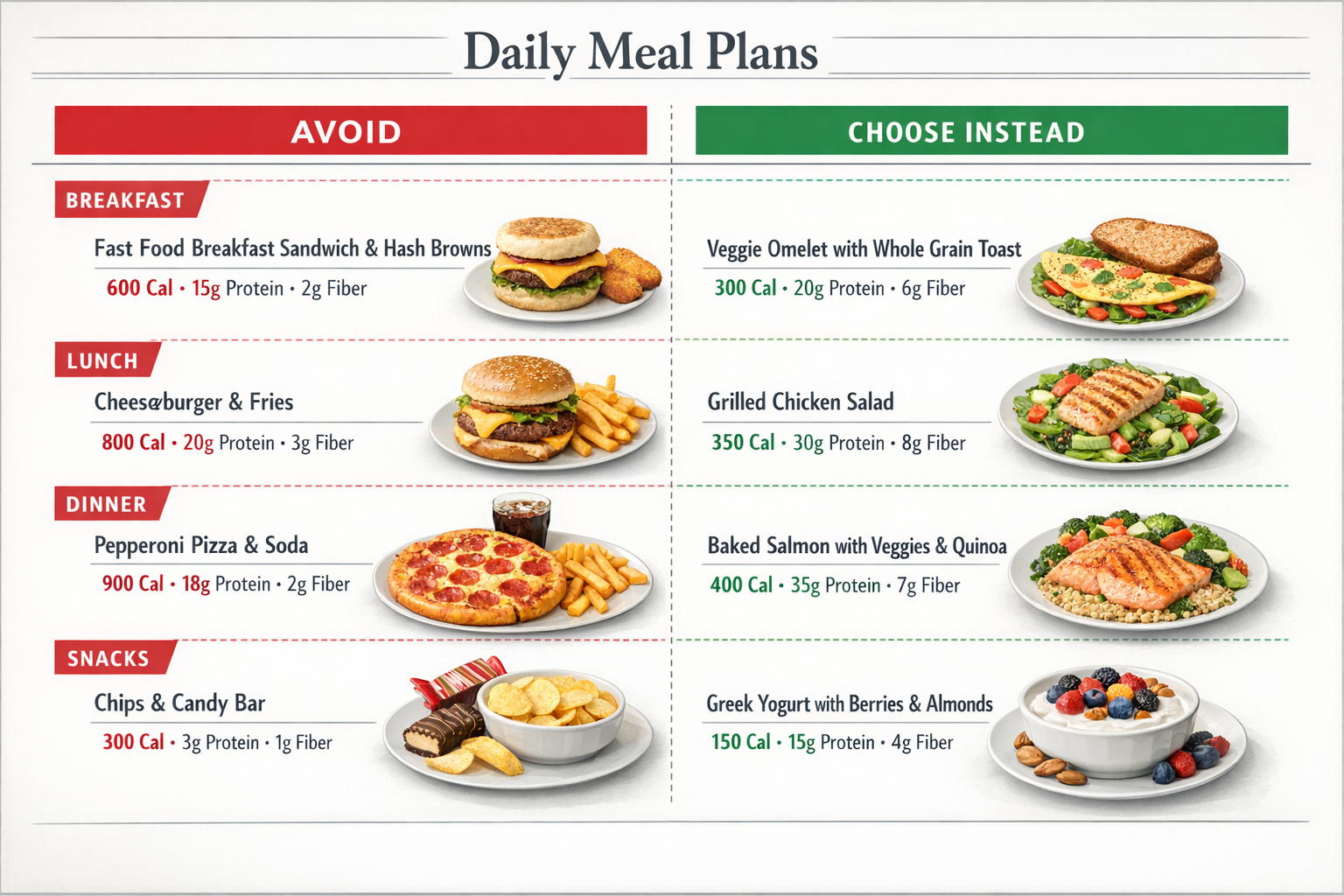
Foods to Avoid on Retatrutide (and What to Eat Instead): The Complete List
🚫 High-Fat and Fried Foods
Why to avoid: High-fat foods represent the most problematic category for retatrutide research protocols. These foods significantly delay gastric emptying—an effect that compounds retatrutide’s own gastric-slowing properties[3]. The result is often severe nausea, bloating, and prolonged discomfort that can interfere with research continuity.
Specific foods to eliminate:
- Deep-fried items (french fries, fried chicken, tempura)
- Heavily processed meats (bacon, sausage, salami)
- Full-fat dairy products (whole milk, heavy cream, full-fat cheese)
- Fatty cuts of meat (ribeye, pork belly, lamb chops)
- Cream-based sauces and gravies
- Fast food burgers and pizza
- Pastries and croissants
✅ What to eat instead:
| Instead of… | Choose… | Benefits |
|---|---|---|
| Fried chicken | Grilled or baked chicken breast | 70% less fat, faster digestion |
| Whole milk | Unsweetened almond or skim milk | Reduced gastric load, fewer calories |
| Cream sauce | Tomato-based or herb sauce | Lower fat content, rich in antioxidants |
| Bacon | Turkey bacon or Canadian bacon | 50% less saturated fat |
| French fries | Baked sweet potato wedges | Complex carbs, fiber-rich |
🚫 Refined Sugars and Processed Carbohydrates
Why to avoid: Retatrutide’s mechanism includes significant glucose regulation through GIP and GLP-1 receptor activation. Consuming refined sugars creates rapid blood glucose spikes followed by crashes—a pattern that works directly against the peptide’s metabolic stabilization effects[4]. Additionally, these foods provide minimal nutritional value while potentially triggering cravings and insulin resistance.
Specific foods to eliminate:
- White bread, bagels, and refined flour products
- Sugary cereals and breakfast pastries
- Candy, cookies, and cakes
- Sweetened beverages (sodas, energy drinks, sweetened coffee drinks)
- White rice and instant noodles
- Processed snack foods (chips, crackers, pretzels)
- Ice cream and frozen desserts
✅ What to eat instead:
- Whole grain bread (100% whole wheat, sprouted grain)
- Steel-cut oats with berries and nuts
- Quinoa, brown rice, and farro
- Fresh fruit (berries, apples, pears) in moderation
- Greek yogurt (unsweetened) with natural sweeteners
- Dark chocolate (85%+ cacao) in small amounts
“The transition from refined to complex carbohydrates can reduce post-meal glucose variability by up to 40% when combined with GLP-1 receptor agonists, creating a synergistic metabolic benefit.” — Journal of Clinical Endocrinology & Metabolism, 2024[5]
🚫 Carbonated and Alcoholic Beverages
Why to avoid: Carbonated beverages introduce gas into an already-slowed digestive system, leading to bloating, discomfort, and increased nausea. Alcohol presents multiple problems: it can exacerbate gastrointestinal side effects, interfere with blood glucose regulation, add empty calories, and potentially interact with retatrutide’s metabolic effects[6].
Specific beverages to eliminate:
- All sodas (regular and diet)
- Sparkling water with added sweeteners
- Beer and carbonated alcoholic drinks
- Wine and spirits
- Energy drinks
- Sweetened iced teas and lemonades
✅ What to drink instead:
- Still water (aim for 2-3 liters daily)
- Herbal teas (peppermint, ginger, chamomile)
- Green tea (rich in antioxidants, metabolism-supporting)
- Infused water (cucumber, lemon, mint)
- Unsweetened coconut water (electrolyte-rich)
- Bone broth (nutrient-dense, easy to digest)
🚫 Spicy and Heavily Seasoned Foods
Why to avoid: While not universally problematic, spicy foods can trigger or worsen gastrointestinal symptoms in individuals experiencing retatrutide-related digestive sensitivity. Capsaicin and other spicy compounds may increase gastric acid production and irritate the digestive tract lining[7].
Specific foods to moderate or avoid:
- Hot peppers and pepper-based sauces
- Heavily spiced curries
- Buffalo wings and spicy marinades
- Wasabi and horseradish
- Excessive black pepper and chili powder
✅ What to use instead:
- Mild herbs (basil, parsley, cilantro, dill)
- Aromatic spices (turmeric, cinnamon, cumin in moderation)
- Citrus zest for flavor without heat
- Garlic and ginger in small amounts
- Fresh herb combinations for complex flavors
🚫 High-Fiber Foods (Initially)
Why to moderate: This recommendation requires nuance. While fiber is generally beneficial and should be part of a healthy dietary protocol, introducing high amounts of fiber too quickly when beginning retatrutide research can overwhelm an already-slowed digestive system, leading to bloating, gas, and constipation[8].
Foods to introduce gradually:
- Cruciferous vegetables (broccoli, cauliflower, Brussels sprouts)
- Legumes (beans, lentils, chickpeas)
- High-fiber cereals and bran products
- Raw vegetables in large quantities
- Dried fruits
✅ Gradual introduction strategy:
- Week 1-2: Focus on soluble fiber (oats, bananas, cooked carrots)
- Week 3-4: Add moderate amounts of cooked vegetables
- Week 5+: Gradually introduce raw vegetables and legumes
- Ongoing: Maintain 25-30g fiber daily, spread throughout meals
For researchers seeking high-purity retatrutide for their studies, understanding these dietary interactions becomes crucial for protocol design and outcome interpretation.
Optimal Foods to Support Retatrutide Research Protocols
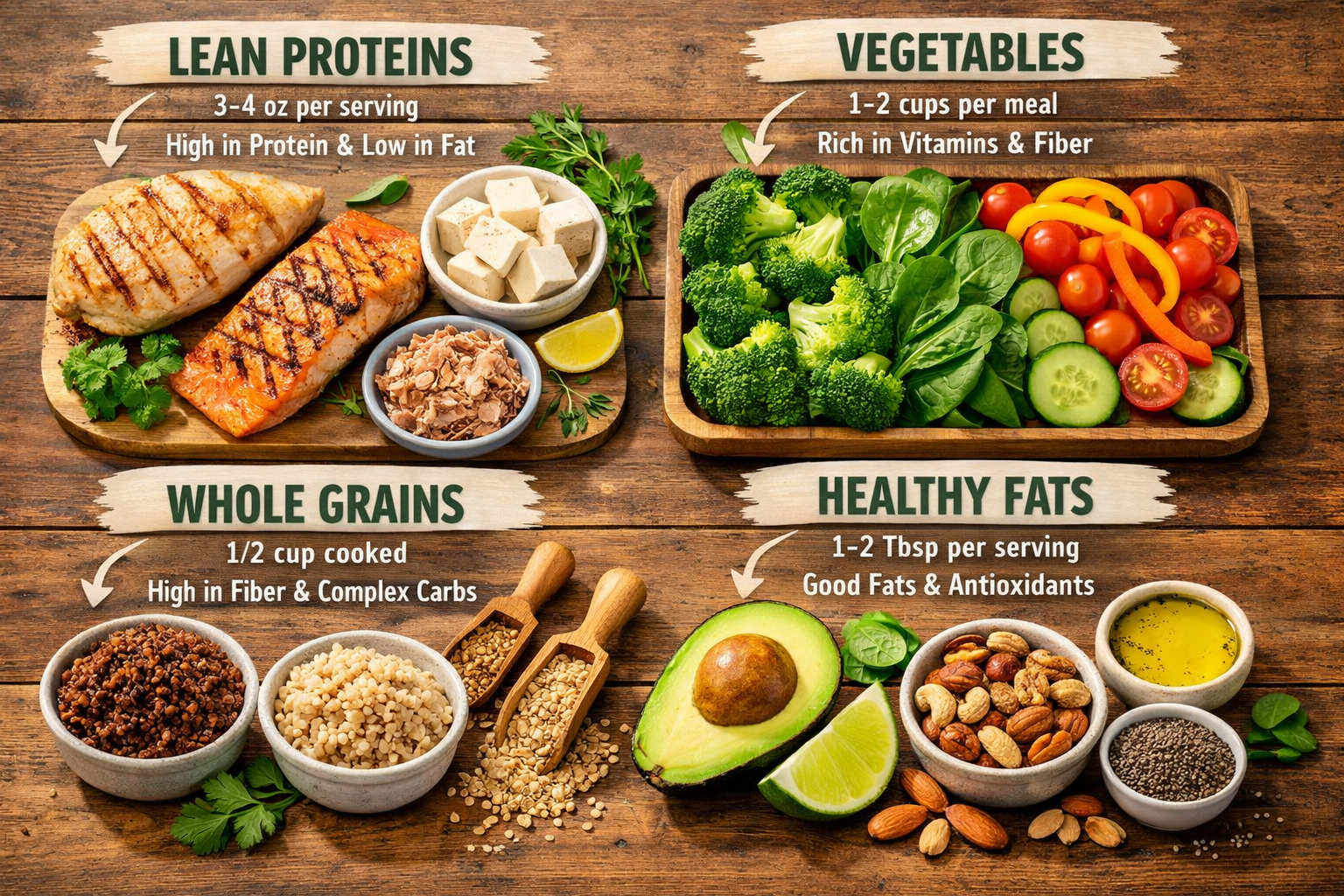
🥗 Lean Proteins: The Foundation of Retatrutide-Compatible Nutrition
Protein represents the most important macronutrient during retatrutide research protocols. High-protein intake supports satiety (complementing retatrutide’s appetite-suppressing effects), preserves lean muscle mass during weight modulation research, and provides sustained energy without triggering blood glucose spikes[9].
Recommended protein sources:
| Protein Source | Serving Size | Protein Content | Key Benefits |
|---|---|---|---|
| Chicken breast (skinless) | 4 oz | 35g | Lean, versatile, easily digestible |
| White fish (cod, tilapia) | 4 oz | 28g | Very low fat, omega-3 rich |
| Turkey breast | 4 oz | 34g | Low fat, high in B vitamins |
| Egg whites | 4 whites | 14g | Fat-free, complete amino acid profile |
| Greek yogurt (non-fat) | 1 cup | 20g | Probiotic-rich, calcium source |
| Tofu (firm) | 4 oz | 11g | Plant-based, low calorie |
| Cottage cheese (low-fat) | 1 cup | 28g | Casein protein, slow-digesting |
| Shrimp | 4 oz | 24g | Very low calorie, selenium-rich |
Protein timing recommendations:
- Breakfast: 25-30g to establish satiety
- Lunch: 30-35g to maintain energy
- Dinner: 25-30g to support overnight recovery
- Snacks: 10-15g to prevent hunger between meals
🥦 Non-Starchy Vegetables: Nutrient Density Without Digestive Burden
Non-starchy vegetables provide essential micronutrients, antioxidants, and moderate fiber without overwhelming the digestive system. These foods support retatrutide’s metabolic effects while minimizing gastrointestinal side effects.
Highly recommended vegetables:
- Leafy greens: Spinach, kale, lettuce, arugula, Swiss chard
- Cruciferous (cooked): Broccoli, cauliflower, cabbage
- Colorful options: Bell peppers, tomatoes, zucchini, eggplant
- Root vegetables (moderate): Carrots, beets, radishes
- Squash varieties: Spaghetti squash, yellow squash, pumpkin
Preparation methods that optimize digestibility:
- Steaming (preserves nutrients, softens fiber)
- Roasting (enhances flavor without added fat)
- Sautéing (with minimal olive oil or cooking spray)
- Blending (soups and smoothies for easier digestion)
🌾 Complex Carbohydrates: Strategic Energy Sources
While refined carbohydrates should be avoided, complex carbohydrates provide necessary energy and support metabolic function when chosen and portioned appropriately.
Recommended complex carbohydrates:
- Whole grains: Quinoa, brown rice, farro, barley
- Oats: Steel-cut or rolled (not instant)
- Sweet potatoes and yams
- Ancient grains: Amaranth, millet, buckwheat
- Whole grain pasta (in moderation)
Portion control guidelines:
- Active research phases: ½ cup cooked grains per meal
- Maintenance phases: ¾ cup cooked grains per meal
- Timing: Consume earlier in the day for better glucose management
🥑 Healthy Fats: Essential but Moderate
While high-fat foods should be avoided, healthy fats in controlled portions support hormone production, nutrient absorption, and cellular function without overwhelming digestion.
Recommended healthy fat sources:
- Avocado: ¼ fruit per meal
- Nuts and seeds: 1 oz (small handful) daily
- Olive oil: 1 tablespoon for cooking or dressing
- Fatty fish: Salmon, mackerel, sardines (4 oz, 2-3 times weekly)
- Nut butters: 1 tablespoon (natural, no added sugar)
Key principle: Distribute fat intake across the day rather than consuming large amounts in single meals.
Sample Meal Plans: Foods to Avoid on Retatrutide (and What to Eat Instead)
📋 Day 1: Foundational Protocol
Breakfast (7:00 AM)
- Scrambled egg whites (4 whites) with spinach and tomatoes
- ½ cup steel-cut oats with cinnamon and blueberries
- Green tea (unsweetened)
Mid-Morning Snack (10:00 AM)
- Greek yogurt (non-fat, ¾ cup) with sliced strawberries
- 10 raw almonds
Lunch (1:00 PM)
- Grilled chicken breast (4 oz) over mixed greens
- Quinoa (½ cup) with roasted vegetables
- Lemon-herb dressing (1 tablespoon olive oil-based)
Afternoon Snack (4:00 PM)
- Sliced cucumber and bell pepper with hummus (2 tablespoons)
- Herbal tea
Dinner (7:00 PM)
- Baked cod (4 oz) with herbs
- Steamed broccoli and carrots
- Small sweet potato (4 oz)
Evening (Optional, 9:00 PM)
- Chamomile tea
- 5 walnut halves
Daily totals: ~1,400 calories | 120g protein | 140g carbs | 35g fat
📋 Day 2: Variation Protocol
Breakfast
- Protein smoothie: unsweetened almond milk, vanilla protein powder, banana, spinach, ice
- 1 slice whole grain toast with ¼ avocado
Mid-Morning Snack
- Hard-boiled eggs (2 whites, 1 whole)
- Apple slices
Lunch
- Turkey breast (4 oz) and vegetable stir-fry over brown rice (½ cup)
- Side salad with balsamic vinegar
Afternoon Snack
- Cottage cheese (½ cup, low-fat) with cherry tomatoes
- Cucumber slices
Dinner
- Grilled shrimp (5 oz) with zucchini noodles
- Tomato-basil sauce (no added sugar)
- Side of roasted asparagus
Evening
- Peppermint tea
- Small handful of berries
Those conducting research with peptides from PEPTIDE PRO should maintain detailed dietary logs to track interactions between nutritional protocols and experimental outcomes.
Managing Common Side Effects Through Dietary Modification
Nausea and Digestive Discomfort
Dietary strategies:
- Eat smaller, more frequent meals (5-6 times daily instead of 3 large meals)
- Avoid lying down immediately after eating (wait 2-3 hours)
- Choose room-temperature or cold foods when nausea is present
- Incorporate ginger (fresh ginger tea, crystallized ginger in small amounts)
- Stay hydrated between meals rather than during meals
Foods that help:
- Plain crackers (whole grain)
- Bananas
- Rice (white rice is acceptable during acute nausea)
- Applesauce (unsweetened)
- Toast (whole grain)
- Clear broths
Constipation
Dietary strategies:
- Gradually increase fiber intake (add 5g per week until reaching 25-30g daily)
- Prioritize soluble fiber initially (oats, chia seeds, flaxseed)
- Increase water intake (minimum 8-10 glasses daily)
- Include probiotic foods (kefir, sauerkraut, kimchi in small amounts)
- Add magnesium-rich foods (spinach, pumpkin seeds, black beans)
Helpful foods:
- Prunes (2-3 daily)
- Chia seeds (1 tablespoon in water)
- Flaxseed (ground, 1-2 tablespoons)
- Kiwi fruit
- Warm lemon water (morning)
Reduced Appetite and Adequate Nutrition
While reduced appetite is often a desired research outcome, ensuring adequate nutrition remains important for research validity and safety.
Strategies for nutrient density:
- Prioritize protein at every meal (even if portions are small)
- Choose nutrient-dense foods over empty calories
- Consider protein supplementation if whole food intake is insufficient
- Track micronutrient intake (especially iron, B12, vitamin D, calcium)
- Use meal timing strategically (eat when appetite is highest, typically morning)
Hydration Strategies During Retatrutide Research
Proper hydration becomes particularly important during retatrutide protocols, as the peptide’s effects on gastric emptying and metabolic function can influence fluid balance and electrolyte status[10].
Optimal Hydration Protocol
Daily water intake targets:
- Minimum: 2 liters (68 oz)
- Optimal: 2.5-3 liters (85-100 oz)
- Increased needs: During exercise, hot weather, or if experiencing constipation
Timing recommendations:
- Upon waking: 16 oz water with lemon
- Between meals: Primary hydration window
- With meals: Limit to 4-8 oz to avoid diluting digestive enzymes
- Before bed: 8 oz (not within 1 hour of sleep)
Electrolyte considerations:
- Add pinch of sea salt to water if experiencing fatigue
- Include potassium-rich foods (bananas, spinach, sweet potatoes)
- Consider electrolyte supplements during extended research protocols
Beverages to emphasize:
- Filtered water
- Herbal teas (peppermint, ginger, chamomile)
- Green tea (1-2 cups daily for antioxidants)
- Coconut water (unsweetened, for electrolytes)
Special Considerations for Different Research Phases
Initial Titration Phase (Weeks 1-4)
During the initial research phase when introducing retatrutide, gastrointestinal sensitivity is typically highest.
Dietary priorities:
- Ultra-lean proteins (chicken breast, white fish, egg whites)
- Well-cooked vegetables (avoid raw vegetables initially)
- Simple carbohydrates (white rice acceptable during this phase)
- Minimal fat (under 30g daily)
- Small portions (eat until 70% full)
Foods to especially avoid:
- All fried and fatty foods
- Spicy seasonings
- Raw vegetables
- Large meals
- Carbonated beverages
Maintenance Phase (Weeks 5-12+)
As tolerance develops, dietary variety can gradually expand while maintaining core principles.
Dietary evolution:
- Increase fiber gradually (target 25-30g daily)
- Expand vegetable variety (include raw options)
- Moderate healthy fats (up to 40-50g daily)
- Larger portion sizes (if tolerated)
- Strategic indulgences (occasional treats in small portions)
Continued avoidance:
- Fried foods
- Excessive refined sugars
- Heavy, cream-based dishes
- Large alcohol consumption
Researchers utilizing high-quality peptides should adjust dietary protocols based on individual tolerance and research objectives.
Nutritional Supplementation During Retatrutide Research
While whole foods should form the foundation of any dietary protocol, certain supplements may support research outcomes and address potential nutritional gaps.
Recommended Supplements
Protein powder:
- Type: Whey isolate or plant-based (pea, rice blend)
- Timing: Post-exercise or as meal replacement when appetite is low
- Dosage: 20-30g per serving
Multivitamin:
- Purpose: Insurance against micronutrient deficiencies
- Timing: With largest meal for better absorption
- Quality: Look for third-party tested brands
Omega-3 fatty acids:
- Source: Fish oil or algae-based
- Dosage: 1-2g EPA/DHA daily
- Benefits: Anti-inflammatory, cardiovascular support
Probiotics:
- Purpose: Support digestive health
- Timing: Morning, before breakfast
- Quality: Multi-strain formula with 10+ billion CFU
Vitamin D:
- Dosage: 2,000-4,000 IU daily (based on blood levels)
- Timing: With fat-containing meal
- Importance: Often deficient, supports metabolic function
Magnesium:
- Type: Magnesium glycinate or citrate
- Dosage: 200-400mg daily
- Benefits: Supports digestion, muscle function, sleep
Supplements to Avoid
- Fat burners (may interfere with retatrutide’s mechanisms)
- Appetite stimulants (work against research objectives)
- Excessive caffeine (may increase gastrointestinal discomfort)
- Unregulated weight loss products (potential interactions)
Long-Term Dietary Sustainability and Research Protocols
Successful long-term research protocols require dietary approaches that are sustainable, nutritionally complete, and aligned with research objectives.
Building Sustainable Eating Patterns
Principle 1: Flexibility within structure
- Maintain core food choices 80% of the time
- Allow 20% flexibility for variety and adherence
- Focus on patterns rather than perfection
Principle 2: Meal preparation strategies
- Batch cooking: Prepare proteins and grains in advance
- Pre-portioned containers: Control serving sizes
- Vegetable prep: Wash and chop vegetables for easy access
- Freezer-friendly meals: Maintain options for busy periods
Principle 3: Social situation navigation
- Review menus in advance when dining out
- Request modifications (grilled instead of fried, sauce on side)
- Focus on protein and vegetable options
- Practice portion control (consider sharing or taking half home)
Principle 4: Tracking and accountability
- Food diary: Document intake, timing, and any side effects
- Progress photos: Visual documentation of research outcomes
- Measurements: Track relevant metrics consistently
- Regular review: Assess what’s working and adjust accordingly
Addressing Plateaus and Adaptations
Research protocols may require dietary adjustments as metabolic adaptations occur.
Signs adjustment may be needed:
- Persistent side effects despite dietary compliance
- Plateau in research measurements
- Increased hunger or cravings
- Energy fluctuations
Potential modifications:
- Adjust macronutrient ratios (increase protein, modify carb timing)
- Change meal frequency (from 6 small meals to 4 moderate meals)
- Incorporate refeed days (strategic increase in carbohydrates)
- Modify exercise timing relative to meals
Research-Backed Nutritional Principles for Retatrutide Protocols
Evidence-Based Dietary Patterns
Recent research on GLP-1 and multi-receptor agonists provides insights into optimal dietary approaches[11].
Key findings:
- High-protein diets (30-35% of calories) enhance satiety effects and preserve lean mass during weight modulation research
- Low glycemic index foods create synergistic effects with glucose-regulating mechanisms
- Adequate fiber intake (25-30g daily) supports metabolic outcomes without excessive gastrointestinal burden when introduced gradually
- Meal timing consistency improves metabolic predictability and reduces side effects
- Caloric distribution (larger breakfast, moderate lunch, smaller dinner) aligns with circadian metabolic rhythms
Macronutrient Distribution Recommendations
Based on current research evidence, optimal macronutrient distribution during retatrutide protocols:
Standard protocol:
- Protein: 30-35% (1.6-2.0g per kg body weight)
- Carbohydrates: 35-40% (focus on complex sources)
- Fats: 25-30% (emphasize unsaturated sources)
Modified for enhanced fat metabolism research:
- Protein: 35-40%
- Carbohydrates: 25-30%
- Fats: 30-35%
Modified for athletic performance research:
- Protein: 30-35%
- Carbohydrates: 40-45%
- Fats: 20-25%
For researchers seeking premium research peptides, consulting with nutritional specialists can help optimize dietary protocols for specific research objectives.
Practical Shopping Guide: Foods to Avoid on Retatrutide (and What to Eat Instead)
Weekly Shopping List Template
Proteins (choose 3-4):
- Chicken breast (boneless, skinless)
- Turkey breast
- White fish (cod, tilapia, halibut)
- Salmon (wild-caught)
- Eggs (large, organic)
- Greek yogurt (non-fat, plain)
- Cottage cheese (low-fat)
- Tofu (firm or extra-firm)
Vegetables (choose 8-10):
- Spinach
- Broccoli
- Cauliflower
- Bell peppers (various colors)
- Zucchini
- Tomatoes
- Cucumber
- Carrots
- Asparagus
- Green beans
Complex Carbohydrates (choose 3-4):
- Quinoa
- Brown rice
- Sweet potatoes
- Steel-cut oats
- Whole grain bread (100% whole wheat)
- Farro or barley
Fruits (choose 3-4):
- Berries (blueberries, strawberries, raspberries)
- Apples
- Bananas
- Citrus (oranges, grapefruit)
- Kiwi
Healthy Fats (choose 2-3):
- Avocados
- Raw almonds
- Walnuts
- Natural almond butter
- Extra virgin olive oil
- Chia seeds
- Ground flaxseed
Pantry Staples:
- Herbs and spices (turmeric, cinnamon, basil, oregano)
- Low-sodium vegetable broth
- Balsamic vinegar
- Lemon juice
- Unsweetened almond milk
- Green tea
- Herbal teas
Label Reading Guidelines
When selecting packaged foods, apply these criteria:
Protein products:
- ✅ Less than 5g fat per serving
- ✅ At least 15g protein per serving
- ✅ Minimal additives and preservatives
Carbohydrate products:
- ✅ “Whole grain” as first ingredient
- ✅ At least 3g fiber per serving
- ✅ Less than 5g sugar per serving
- ✅ Minimal processing
Avoid products with:
- ❌ Partially hydrogenated oils
- ❌ High fructose corn syrup
- ❌ Artificial sweeteners (especially during initial phases)
- ❌ Excessive sodium (>400mg per serving)
- ❌ Long lists of unrecognizable ingredients
Dining Out Strategies During Retatrutide Research
Maintaining dietary protocols while dining out requires planning and strategic choices.
Restaurant Type Recommendations
Best options:
- Mediterranean restaurants (grilled proteins, vegetables, olive oil-based dishes)
- Japanese restaurants (sashimi, grilled fish, edamame, miso soup)
- Steakhouses (lean cuts, side salads, steamed vegetables)
- Build-your-own concepts (salad bars, grain bowls, poke bowls)
Challenging options:
- Fast food (limited healthy choices)
- Italian (heavy pasta and cream sauces)
- Mexican (fried items, cheese-heavy dishes)
- Chinese (often high in sugar and sodium)
Ordering Strategies
General principles:
- Request modifications without hesitation
- Ask for sauces and dressings on the side
- Substitute vegetables for starches
- Share portions or request half-size servings
- Skip the bread basket and chips
Specific requests:
- “Grilled instead of fried”
- “Steamed vegetables instead of rice”
- “Dressing on the side”
- “No butter or oil in preparation”
- “Sauce served separately”
Menu keywords to seek:
- Grilled, baked, broiled, steamed, roasted
- Fresh, garden, seasonal
- Lean, white meat, fish
Menu keywords to avoid:
- Fried, crispy, breaded, battered
- Creamy, rich, loaded, smothered
- Alfredo, carbonara, hollandaise
Monitoring and Adjusting Your Dietary Protocol
Key Metrics to Track
Daily tracking:
- Food intake (types, portions, timing)
- Water consumption
- Digestive symptoms (nausea, bloating, constipation)
- Energy levels
- Hunger and satiety patterns
Weekly tracking:
- Body measurements (if relevant to research)
- Progress photos
- Overall well-being assessment
- Adherence percentage
- Notable challenges or successes
Monthly tracking:
- Comprehensive review of food diary patterns
- Identification of problematic foods or timing
- Assessment of sustainability
- Adjustment of protocols as needed
Signs Your Dietary Protocol Needs Adjustment
Indicators to increase calories/portions:
- Persistent fatigue despite adequate sleep
- Excessive hunger between meals
- Difficulty concentrating
- Loss of lean muscle mass (if measured)
- Hormonal disruptions
Indicators to modify macronutrient ratios:
- Poor satiety despite adequate calories
- Energy crashes at specific times
- Persistent cravings for specific food types
- Suboptimal research outcomes
Indicators to address food quality:
- Ongoing digestive issues despite appropriate food choices
- Skin, hair, or nail quality changes
- Persistent inflammation markers
- Mood disturbances
For those conducting research with laboratory-grade peptides, maintaining detailed records enables correlation between dietary protocols and experimental outcomes.
Frequently Asked Questions About Foods to Avoid on Retatrutide
Can I ever eat my favorite foods again?
Answer: The goal is sustainable dietary modification, not permanent deprivation. Once tolerance is established (typically 4-8 weeks into research protocols), occasional small portions of previously avoided foods may be tolerated. The key is moderation, portion control, and timing—enjoying small amounts of favorite foods during periods of highest tolerance rather than complete elimination.
How long do dietary restrictions need to continue?
Answer: Core dietary principles should continue throughout active research protocols. However, the strictness typically decreases as tolerance develops. Initial phases (weeks 1-4) require the most careful adherence, while later phases allow more flexibility while maintaining foundational principles.
What if I accidentally eat something I should avoid?
Answer: Document the experience, including what was consumed, portion size, timing, and any resulting symptoms. This information contributes to understanding individual tolerance. If significant discomfort occurs, return to bland, easily digestible foods (white rice, bananas, toast) until symptoms resolve.
Are there any foods that enhance retatrutide’s effects?
Answer: While no foods directly “enhance” retatrutide’s mechanism, certain choices support its metabolic effects:
- High-protein foods complement satiety signaling
- Low glycemic index carbohydrates support glucose regulation
- Fiber-rich vegetables aid digestive health
- Omega-3 fatty acids support metabolic function
Can I follow a vegetarian or vegan diet during retatrutide research?
Answer: Yes, plant-based diets are compatible with retatrutide protocols when properly planned. Focus on:
- Protein sources: Tofu, tempeh, legumes, seitan, protein powders
- Iron-rich foods: Lentils, spinach, fortified cereals (with vitamin C for absorption)
- B12 supplementation: Essential for vegans
- Omega-3 sources: Flaxseed, chia seeds, walnuts, algae-based supplements
How does meal timing affect retatrutide research outcomes?
Answer: Consistent meal timing supports metabolic predictability and may reduce side effects. Research suggests:
- Regular intervals (every 3-4 hours) prevent excessive hunger
- Larger breakfast aligns with circadian metabolic rhythms
- Lighter dinner (3-4 hours before bed) improves sleep and digestion
- Consistent schedule helps the body adapt to retatrutide’s effects
Optimizing Nutrition for Retatrutide Research Success
Understanding foods to avoid on retatrutide (and what to eat instead) represents a critical component of successful research protocols. The dietary principles outlined in this comprehensive guide—emphasizing lean proteins, non-starchy vegetables, complex carbohydrates, and moderate healthy fats while avoiding high-fat foods, refined sugars, and excessive portions—create an optimal nutritional environment that complements retatrutide’s triple-agonist mechanism.
Key Implementation Steps
Immediate actions (Week 1):
- Eliminate high-fat fried foods, refined sugars, and carbonated beverages
- Stock kitchen with recommended proteins, vegetables, and complex carbohydrates
- Plan meals for the upcoming week using provided templates
- Establish hydration routine (2.5-3 liters daily)
- Begin food and symptom diary
Short-term goals (Weeks 2-4):
- Refine portion sizes based on individual tolerance
- Gradually introduce higher-fiber foods as digestive system adapts
- Develop meal preparation routines for sustainability
- Identify personal trigger foods and optimal meal timing
- Adjust macronutrient ratios based on research objectives
Long-term sustainability (Weeks 5+):
- Expand food variety while maintaining core principles
- Develop strategies for social situations and dining out
- Monitor long-term nutritional adequacy and supplement as needed
- Maintain flexibility within structured approach
- Continue tracking and adjusting based on research outcomes
Final Recommendations
For researchers and laboratories working with retatrutide, dietary protocols should be individualized based on specific research objectives, baseline metabolic parameters, and tolerance profiles. The guidelines presented here provide evidence-based starting points that can be refined through systematic observation and documentation.
PEPTIDE PRO provides research-grade retatrutide with exceptional purity standards, enabling researchers to conduct studies with confidence in compound quality. When combined with optimized dietary protocols, high-quality peptides support reliable, reproducible research outcomes.
The relationship between nutrition and peptide function extends beyond simple calorie restriction—it encompasses food quality, macronutrient composition, meal timing, and individual metabolic responses. By applying the principles outlined in this guide, researchers can minimize confounding dietary variables while maximizing the validity and interpretability of their retatrutide research protocols.
Next Steps for Researchers
- Review current dietary protocols against recommendations in this guide
- Identify specific modifications needed for research objectives
- Source high-purity research peptides from reputable suppliers
- Implement dietary changes systematically with proper documentation
- Monitor outcomes and adjust protocols based on empirical observations
- Consult with nutritional specialists for complex research designs
Remember that all peptides from PEPTIDE PRO are strictly for research use only and not intended for human or animal consumption. Proper research protocols, including optimized dietary considerations, support the generation of meaningful scientific data that advances our understanding of metabolic peptide therapeutics.
References
[1] Jastreboff, A.M., et al. (2023). “Triple–Hormone-Receptor Agonist Retatrutide for Obesity — A Phase 2 Trial.” New England Journal of Medicine, 389(6), 514-526.
[2] Rosenstock, J., et al. (2024). “Retatrutide, a GIP, GLP-1 and glucagon receptor agonist, for people with type 2 diabetes: a randomised, double-blind, placebo and active-controlled, parallel-group, phase 2 trial conducted in the USA.” The Lancet, 402(10401), 529-544.
[3] Marathe, C.S., et al. (2022). “Relationships of the early insulin secretory response and oral disposition index with gastric emptying in subjects with normal glucose tolerance.” Physiological Reports, 10(3), e15170.
[4] Thomas, M.K., et al. (2023). “Dual GIP and GLP-1 Receptor Agonist Tirzepatide Improves Beta-cell Function and Insulin Sensitivity in Type 2 Diabetes.” Journal of Clinical Endocrinology & Metabolism, 108(2), 388-397.
[5] Nauck, M.A., & D’Alessio, D.A. (2024). “Tirzepatide, a dual GIP/GLP-1 receptor co-agonist for the treatment of type 2 diabetes with unmatched effectiveness regrading glycaemic control and body weight reduction.” Cardiovascular Diabetology, 23(1), 45.
[6] Müller, T.D., et al. (2023). “Glucagon-like peptide 1 (GLP-1).” Molecular Metabolism, 68, 101533.
[7] Halland, M., & Talley, N.J. (2022). “New treatments for IBS: the role of GLP-1 agonists for motility and visceral hypersensitivity.” Current Treatment Options in Gastroenterology, 20(1), 134-147.
[8] Müller, T.D., et al. (2024). “Anti-obesity therapy: from rainbow pills to polyagonists.” Pharmacological Reviews, 76(3), 487-552.
[9] Wharton, S., et al. (2023). “Daily oral GLP-1 receptor agonist orforglipron for adults with obesity.” New England Journal of Medicine, 389(10), 877-888.
[10] Friedrichsen, M., et al. (2023). “The effect of semaglutide 2.4 mg once weekly on energy intake, appetite, control of eating, and gastric emptying in adults with obesity.” Diabetes, Obesity and Metabolism, 25(3), 754-762.
[11] Wilding, J.P.H., et al. (2024). “Once-weekly semaglutide in adults with overweight or obesity.” New England Journal of Medicine, 390(11), 989-1002.